From A Student's Perspective

Candlelight and Advent

By Amelia

7th grade student

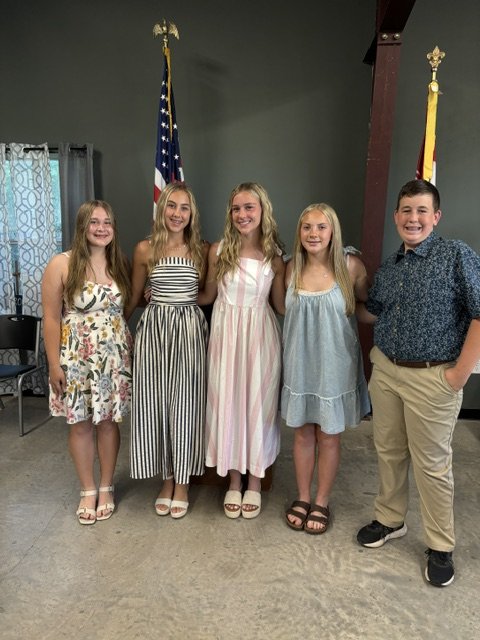
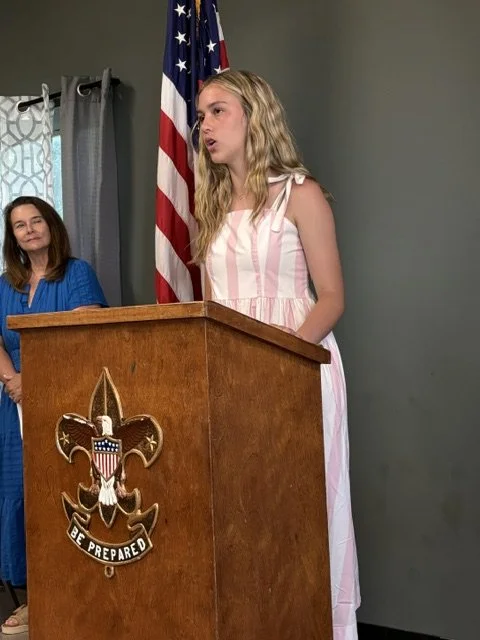
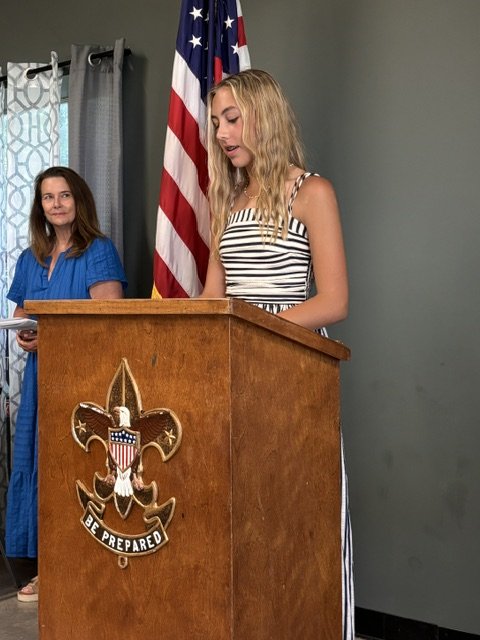
Advent, derived from the Latin word adventus, meaning “coming” or “arrival,” is a meaningful season on the Christian calendar that brings people together in anticipation of Christmas. It marks the four weeks leading up to the celebration of Jesus’ birth, and on each Sunday of those weeks, a different candle on the Advent wreath is lit. Advent invites Christians to step out of their usual routines and intentionally make space for reflection, worship, and spiritual preparation. During this time, believers focus on the themes of peace, joy, hope, love, and a deeper relationship with God as they remember both the birth of Christ and the promise of His return.

As mentioned, the four weeks before Christmas make up the season of Advent. This time of year holds great significance for Christians, as it encourages self-reflection, quiet contemplation, and spiritual renewal. Each week builds on the last, guiding people to examine their hearts and realign their focus on God. The ideas of hope, peace, joy, and love all work together to create a season centered on deepening faith and strengthening spiritual connections. Advent reminds Christians that even in moments of darkness, uncertainty, or hardship, the light of Christ continues to shine. It offers reassurance that God’s promises remain true and that His presence brings comfort, guidance, and renewal. In this way, Advent becomes a reminder of both the humble beginnings of Jesus’ birth and the ultimate hope found in His second coming.

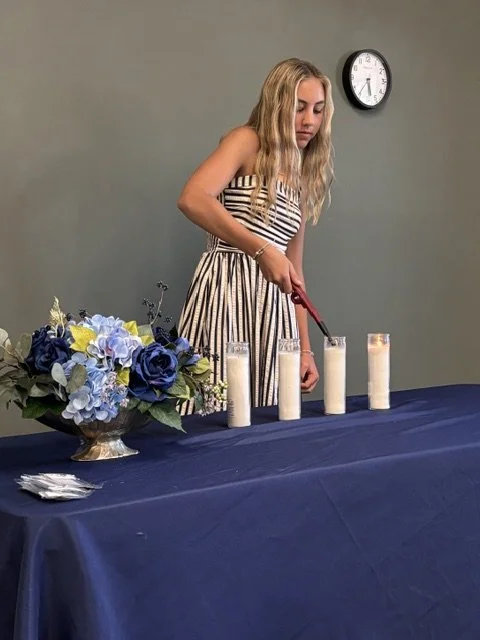
The four candles lit each Sunday are traditionally different colors, and each carries its own symbolic meaning. The first candle, which is purple, represents hope. Commonly known as the Prophecy Candle, it honors the prophets of the Old Testament—especially Isaiah—who foretold the coming of a Messiah long before Jesus’ birth. This candle reminds Christians of the steadfast hope God’s people carried as they waited for the fulfillment of His promises. The second candle, also purple, is called the Bethlehem Candle and represents faith. It symbolizes Mary and Joseph’s journey to Bethlehem and their trust in God despite the challenges and uncertainties they faced. Lighting this candle encourages believers to strengthen their own faith and place their trust in God’s faithfulness.

The third candle, a pink one, is known as the Shepherd’s Candle and represents joy. The shift in color marks a break in the somber tone of early Advent and invites people to celebrate the joyful announcement of Jesus’ birth made to the shepherds in the fields. Its rosy shade reflects the rising sense of anticipation and reminds Christians to find joy in God’s presence and in the good news that Christ brings. The fourth candle, another purple candle, is called the Angel’s Candle and represents peace. It symbolizes the message of “peace on earth” delivered by the angels on the night of Jesus’ birth and encourages believers to seek peace in their hearts, homes, and communities. In some traditions, a fifth candle is added to the center of the Advent wreath. This candle, which is white, is known as the Christ Candle. It is lit on Christmas Eve or Christmas Day to represent the life of Jesus. Its bright, pure color symbolizes the sinless nature of Christ and celebrates Him as the Light of the World.

Candlelight serves as a powerful and beautiful representation of Advent because, much like the season itself, it is something set apart from daily life. Lighting candles requires intention and reflection, encouraging people to slow down and focus on spiritual truths. The soft glow of candlelight reflects the warmth, light, and hope that Jesus brings into the world. Advent invites Christians to remember the nativity scene and to prepare their hearts for the second coming of Christ, and candlelight naturally enhances that atmosphere of anticipation, reflection, and reverence.

Candlelight services in particular capture the spirit of Advent in a meaningful way. These services bring communities together through Scripture readings, prayers, and hymns that highlight the themes of Christ’s birth and His promised return. The songs chosen often connect directly to the meanings of the Advent candles. For example, a song like “Let There Be Peace” directly reflects the message of the Angel’s Candle, symbolizing peace. Similarly, hymns such as “Blest Be the King Whose Coming,” “O Christ the Word Incarnate,” and “Once in Royal David’s City” recall Jesus’ birth, identity, and purpose, aligning closely with the symbolism of the Christ Candle. These songs do more than tell the story of Christmas—they reinforce the spiritual truths Advent teaches and deepen the sense of reverence throughout the season.

Ultimately, Candlelight services and Advent both emphasize the same core idea: setting time apart to honor Christ. Candlelight offers a communal experience of worship and remembrance, reminding believers that Christ is the center of the season and the source of hope, peace, joy, and love. In this way, Candlelight becomes not just a tradition but a reflection of what Advent stands for: a season focused on Christ’s coming, both past and future, and a reminder that Christians are called to continually make time to love, celebrate, and draw closer to Him.


Susie Rogers
From Page to Stage: Students Experience The Outsiders Musical

By Susie Rogers, 5th-8th ELA

Each year, our seventh grade students dive into The Outsiders, one of the most beloved novels on our reading list. Students analyze the story’s themes, characters, and conflicts, and they showcase their understanding through a Bloom’s Taxonomy project that challenges them to think deeply and creatively. After weeks of reading, discussing, and building thoughtful presentations, students usually celebrate by watching the movie version to see the story leap from the page to the screen. But this year offered something even more memorable.

Thanks to a generous donation by Patterson Troike Foundation, our 7th and 8th grade students had the rare opportunity to travel to Dallas to see The Outsiders performed live on stage. Watching the musical allowed them to experience the novel in a completely new way. The power of the theater—from the dramatic lighting to the fabulous choreographed fighting scene to the detailed sets—helped transport them into Ponyboy’s world. The actors brought familiar characters to life with emotion and energy that can only be felt in person. Even the music added new depth to the scenes, highlighting moments of tension, friendship, and hope.

Seeing the story performed live reminded students how powerful literature can be when it is expressed through different art forms. It also helped them make stronger connections to the text and appreciate the hard work stage artists put into storytelling. This field trip was more than just a day away from school; it was an unforgettable learning experience that our students will carry with them for years to come.

Susie Rogers
Pumpkins, Plots, and Picture Books!

By Susie Rogers, 5th-8th ELA

This fall, our seventh and eighth grade students embarked on a creative adventure for the Pumpkin Patch project, brainstorming and illustrating original short stories from start to finish. The project emphasized the importance of understanding the elements of a plot diagram—exposition, rising action, climax, falling action, and resolution—as students carefully crafted stories that were engaging, meaningful, and fun.

Once their stories were complete, the students transformed them into published books to share with others. Each student dressed as one of their story’s characters and decorated a pumpkin to match their tale, bringing an extra layer of creativity and personality to the project.

During the Pumpkin Patch event, the students read their stories aloud to our “Littles”—pre-K and primary students—who were thrilled to take home a copy of the book as a keepsake from a memorable day filled with imagination, laughter, and learning. This experience allowed the older students not only to practice storytelling skills and illustration techniques, but also to see the joy of having a book published and enjoyed by others.

Projects like this remind us that understanding the building blocks of a story and sharing it creatively can turn the writing process into an exciting and tangible experience. From brainstorming ideas to seeing their work come alive for a young audience, students gained a true sense of accomplishment and the magic of storytelling.

Susie Rogers
Stay Gold! Stay Creative!

By Susie Rogers, ELA, 5th-8th

Our 7th graders recently wrapped up one of the most beloved traditions of the year — The Outsiders novel project! After diving into S.E. Hinton’s classic story, students worked through a comprehensive novel packet to analyze the novel’s rich characters, setting, and themes. Their discussions showed how deeply they connected with Ponyboy, Johnny, and the rest of the gang.

To celebrate finishing the book, students enjoyed watching the movie adaptation — complete with chocolate cake and Pepsi, of course — just like the Curtis brothers would have wanted!

The grand finale was the “Bloom Ball Project,” where students combined creativity and critical thinking. Each side of the ball featured meaningful quotations, original poems, personal reflections, and favorite characters. The finished pieces now hang proudly from our classroom, joining the work of past 7th grade classes in our growing ceiling of Outsiders Bloom Balls.

This project continues to be a student favorite every year — a perfect mix of literature, creativity, and timeless lessons about friendship, loyalty, and staying true to yourself.

Susie Rogers
Preposition House Project: Building Upon the Phrases

By Susie Rogers, 5TH-8th, ELA

This week our class put a creative twist on grammar with our Preposition House Project! Students were challenged to design a colorful and original “house” and then bring it to life with descriptive sentences that showcased their knowledge of prepositional phrases.

Each student wrote 10 sentences that used prepositional phrases to describe different parts of their house. For example: “The flowers in front of the porch are bright yellow” or “A cat sleeps under the window on the second floor.” In every sentence, students carefully labeled the preposition, the object of the preposition, and any adjectives that gave extra detail.

This project wasn’t just about building grammar skills—it also encouraged creativity. The houses were decorated with bold colors, fun designs, and unique details that reflected each student’s personality. By combining art and language, students showed how prepositional phrases can make writing more vivid and precise.

The Preposition House Project was a fun and memorable way to wrap up our prepositions unit. Our classroom is now filled with bright, imaginative houses that prove grammar can be both challenging and exciting!
Susie Rogers