5TH GRADE NEWS

LANGUAGE ARTS AND HISTORY:

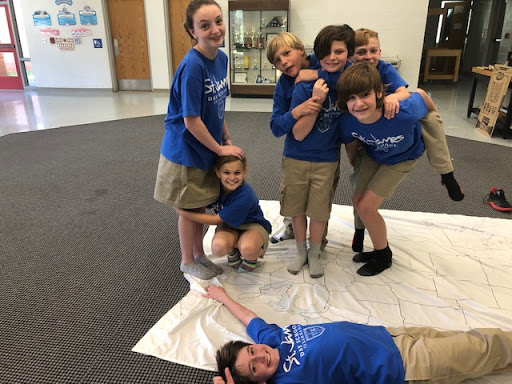
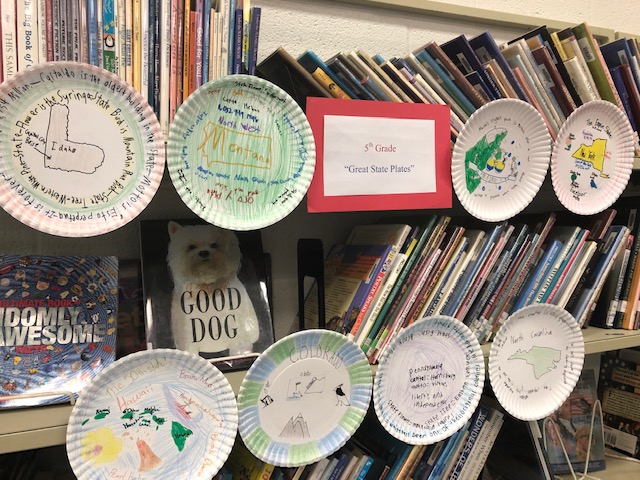
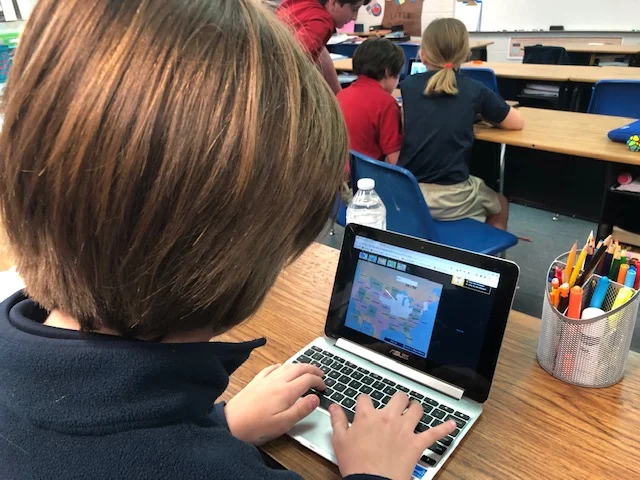
It’s all about United States geography in the 5th grade! Students researched a state to create a “great state plate,” and then studied the locations of all 50 states to label them correctly on a blank map. Through a set of diverse stations, students have enjoyed interactive practice of the states’ locations. They have studied through a wooden puzzle, a write-and-wipe laminated map, a web-based game, and the fan favorite, the giant blank floor map. What a great way to appeal to each student’s learning style!
MATH AND SCIENCE:

Science & Engineering Festival

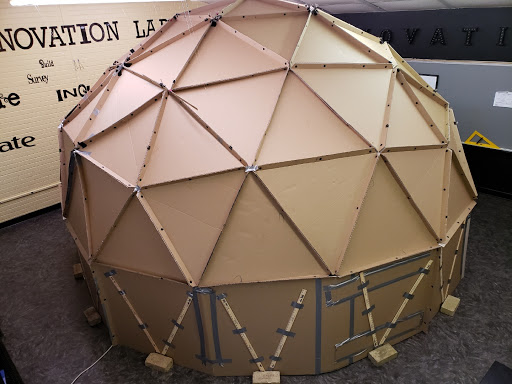
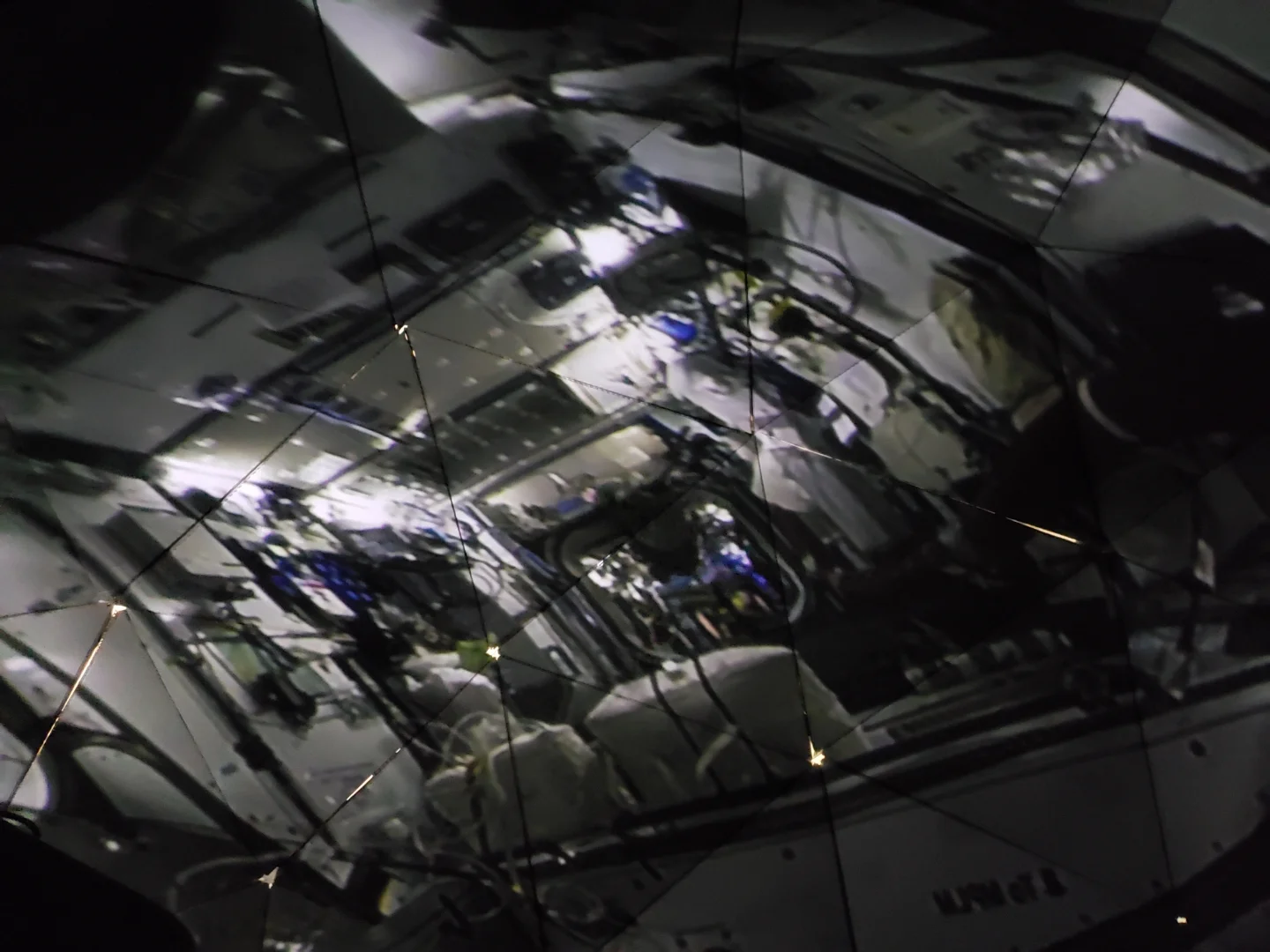
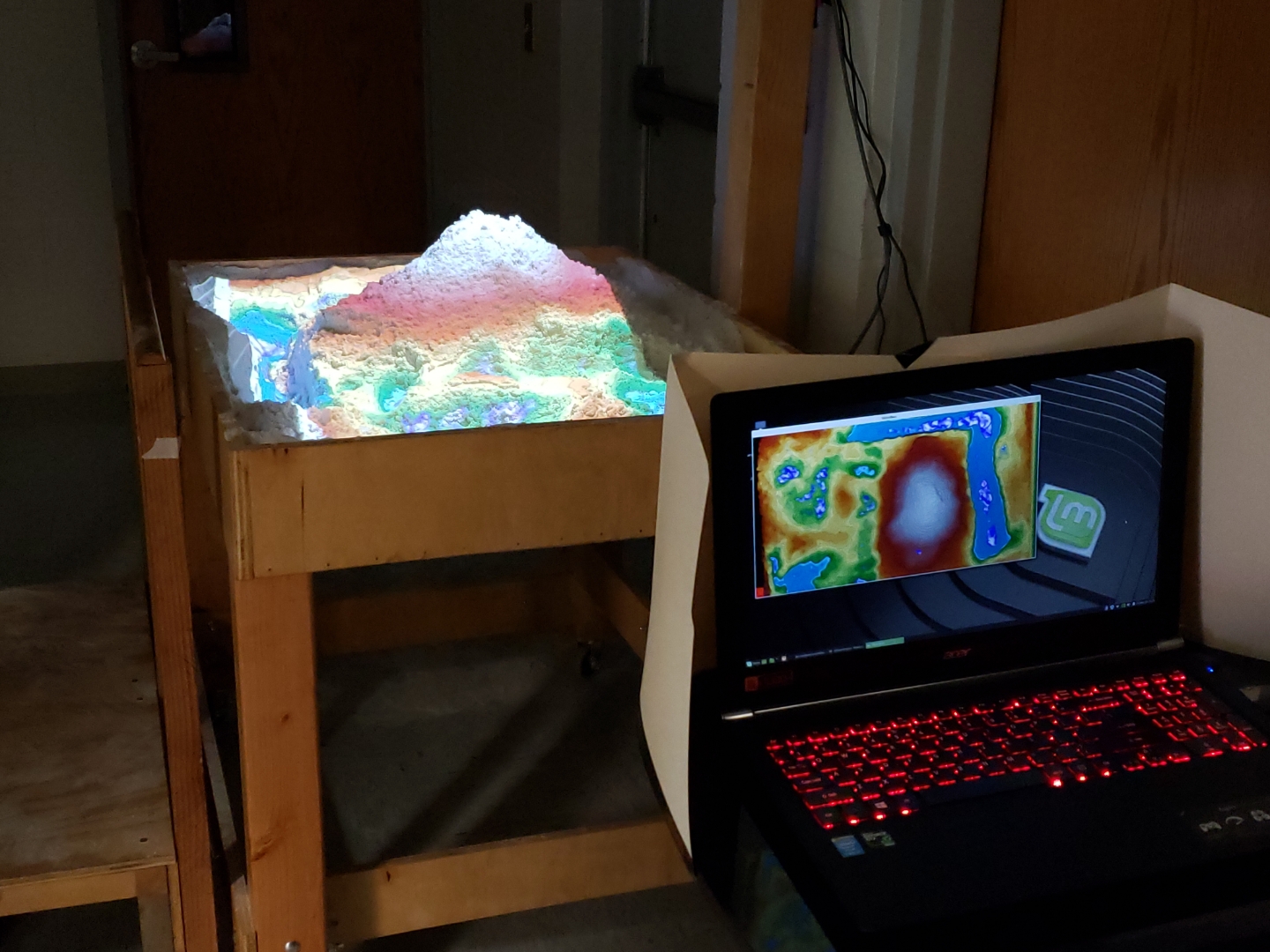
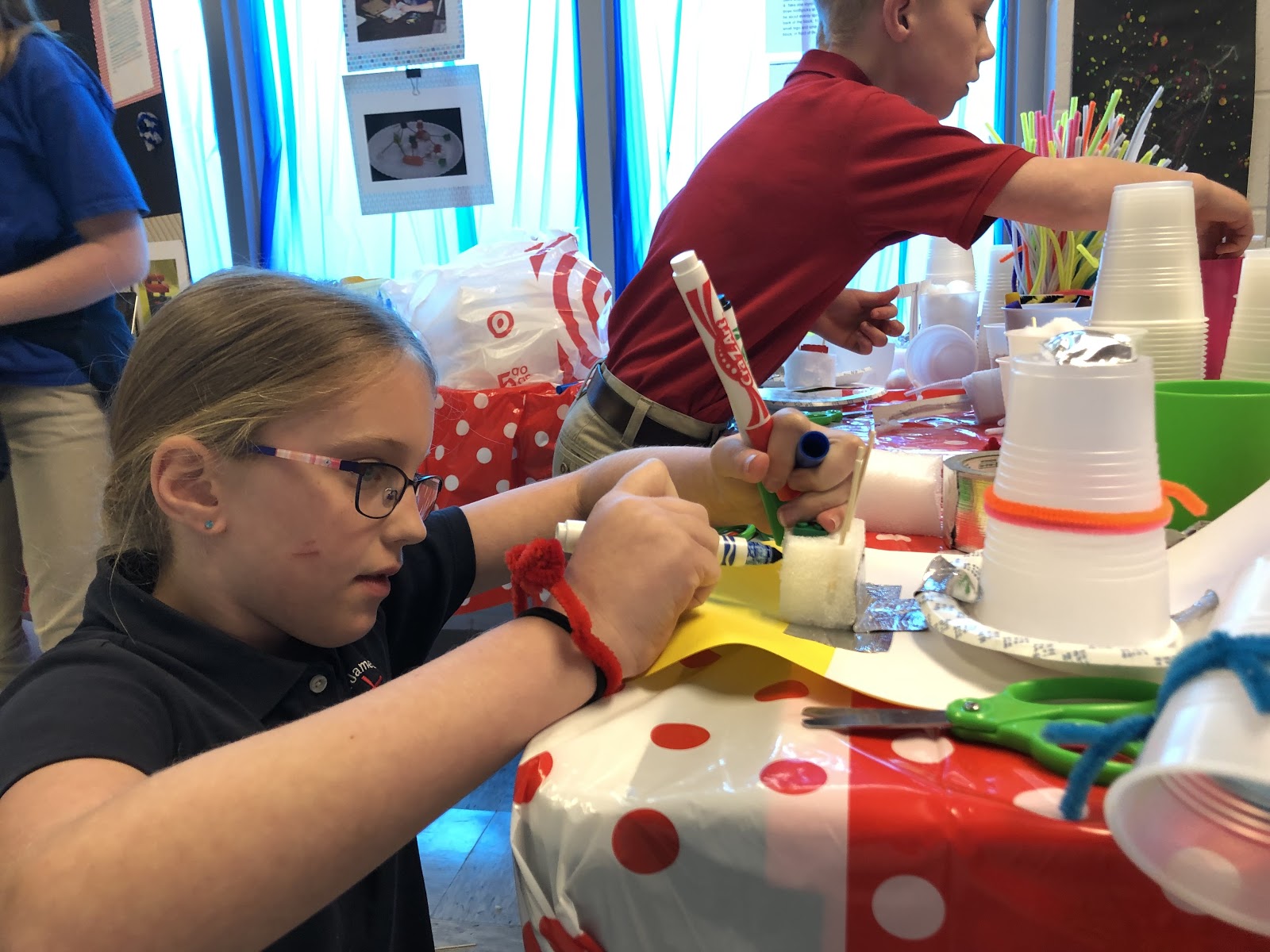
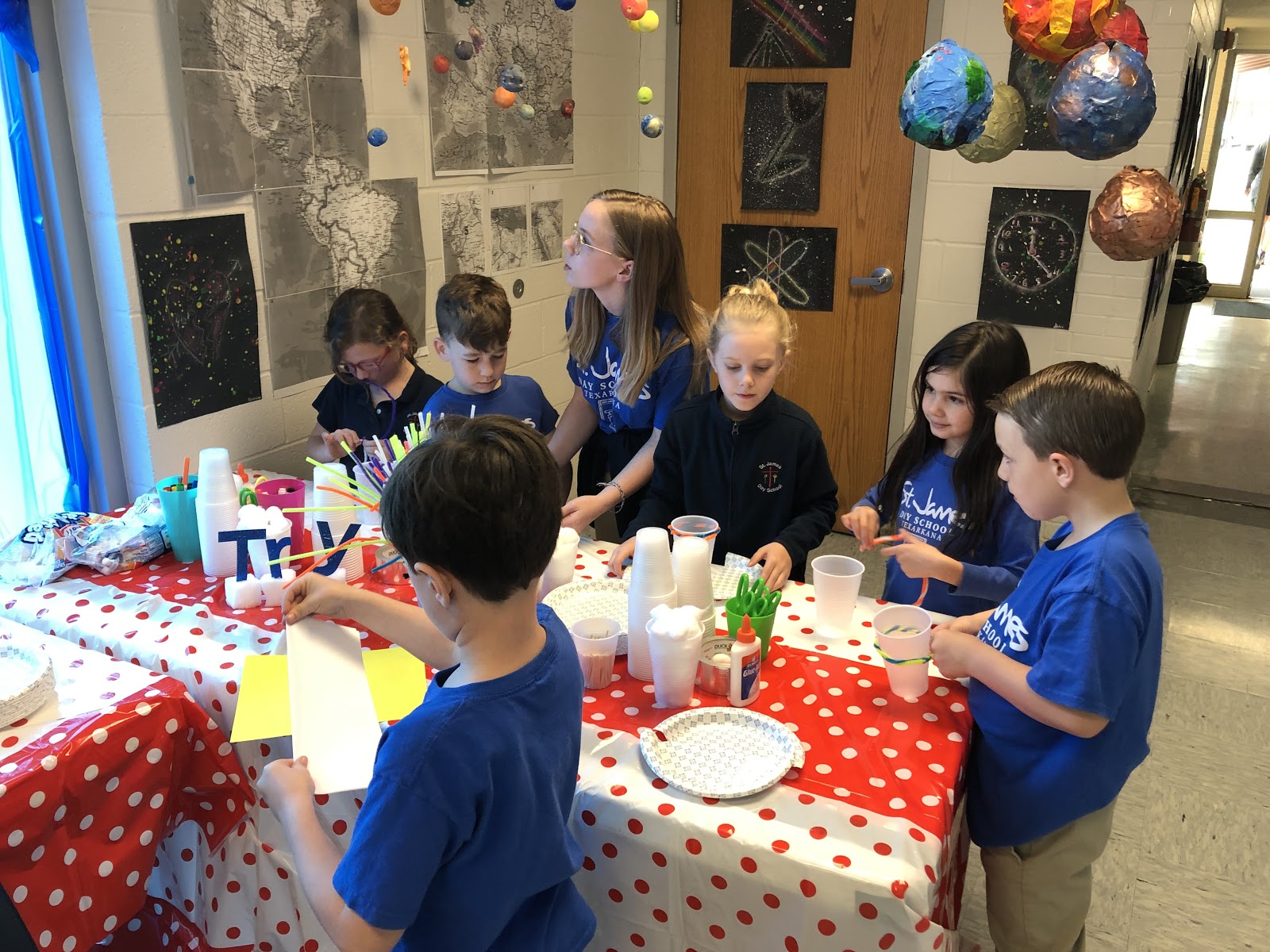
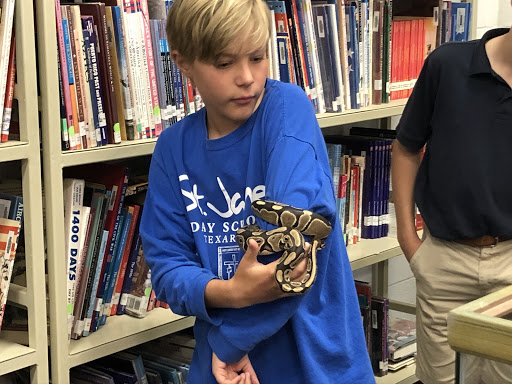
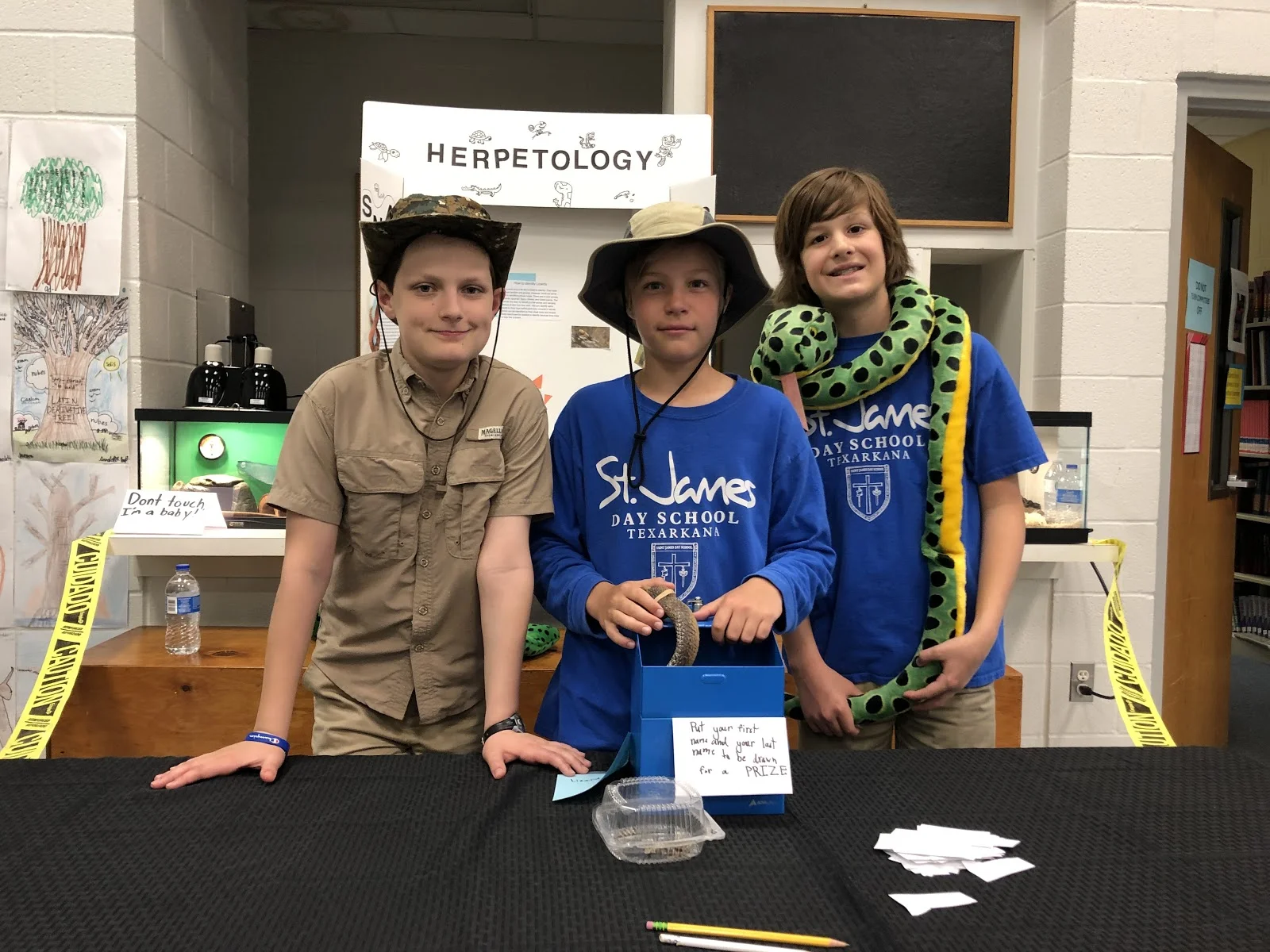
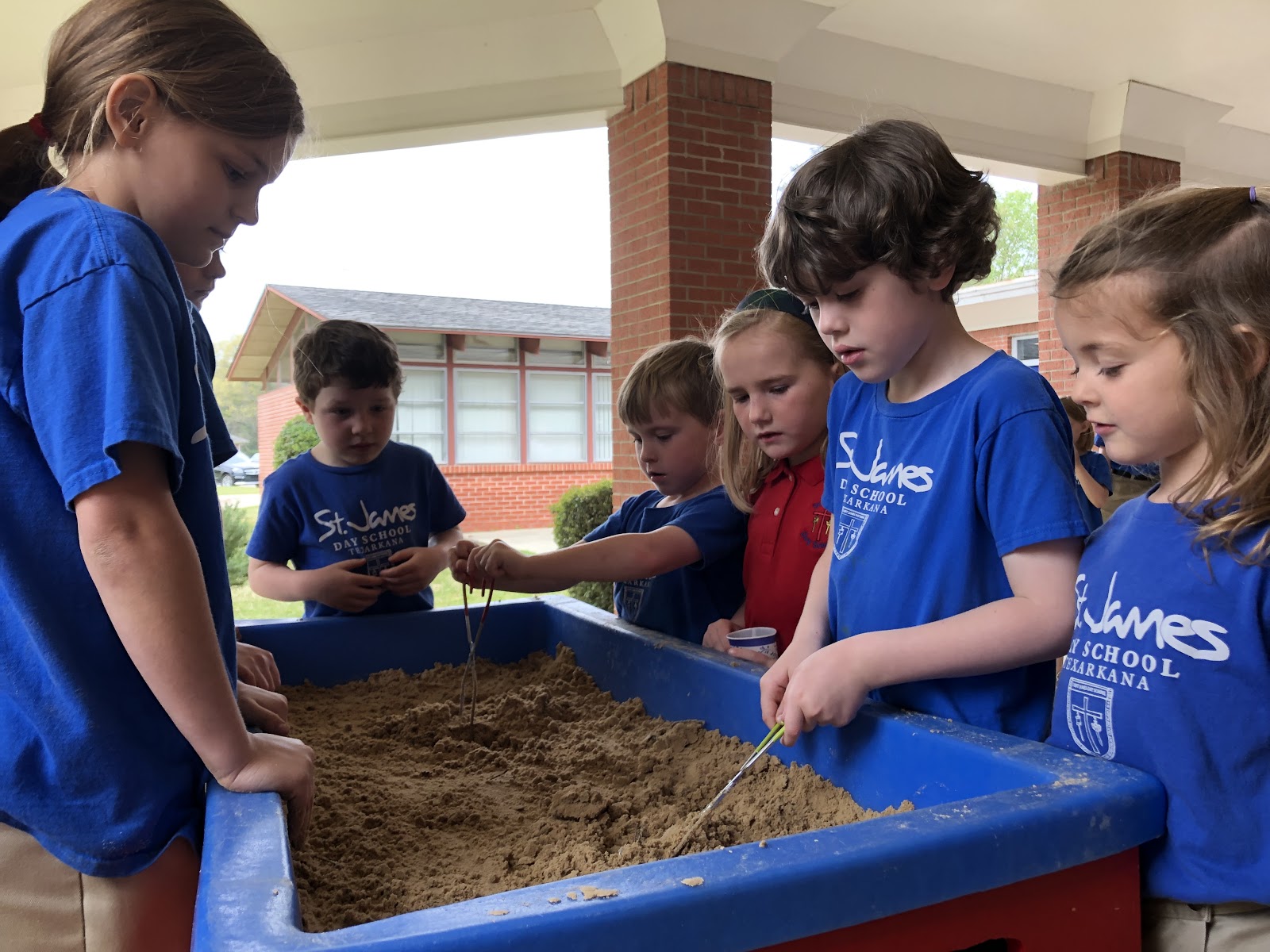
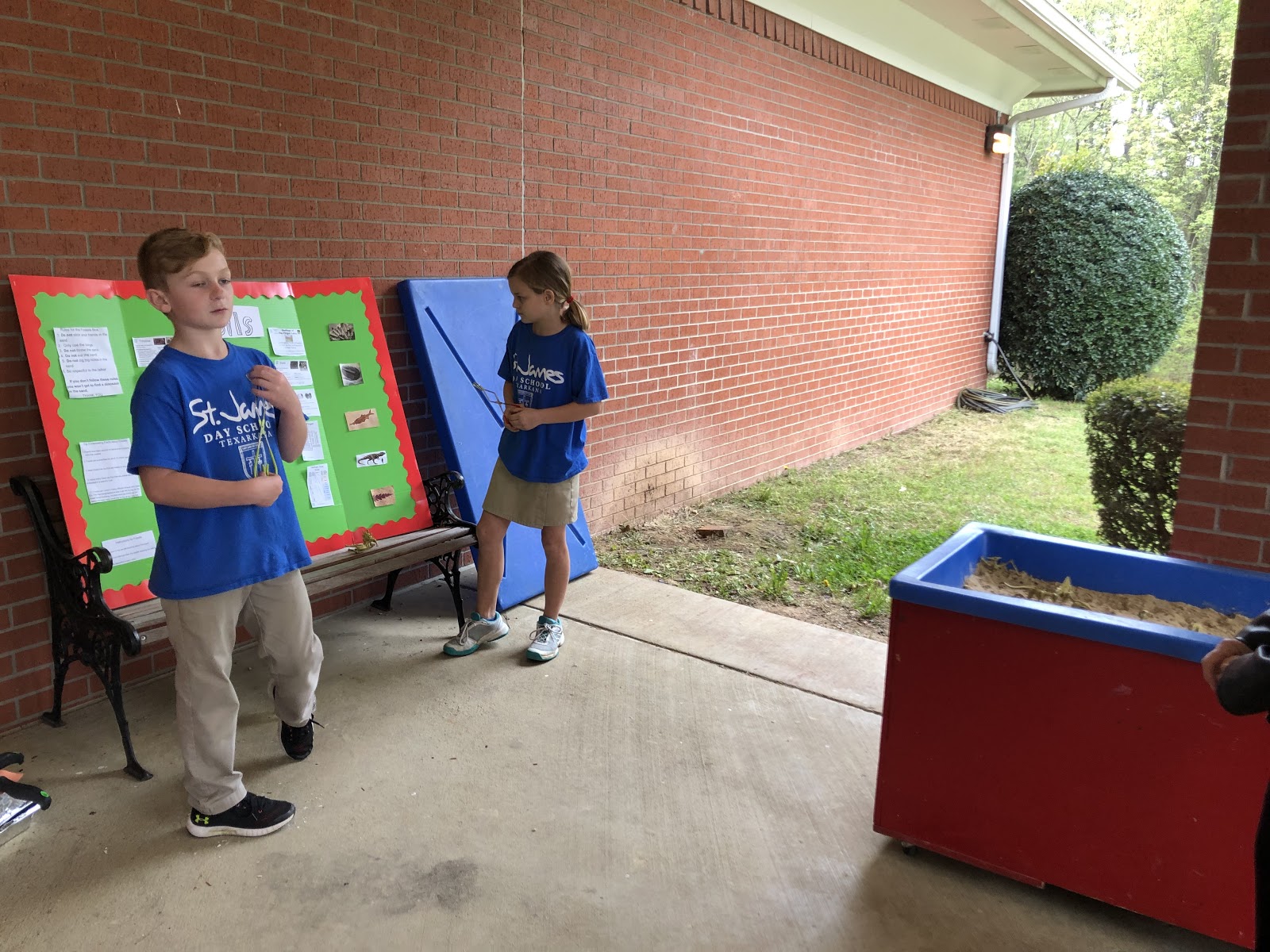
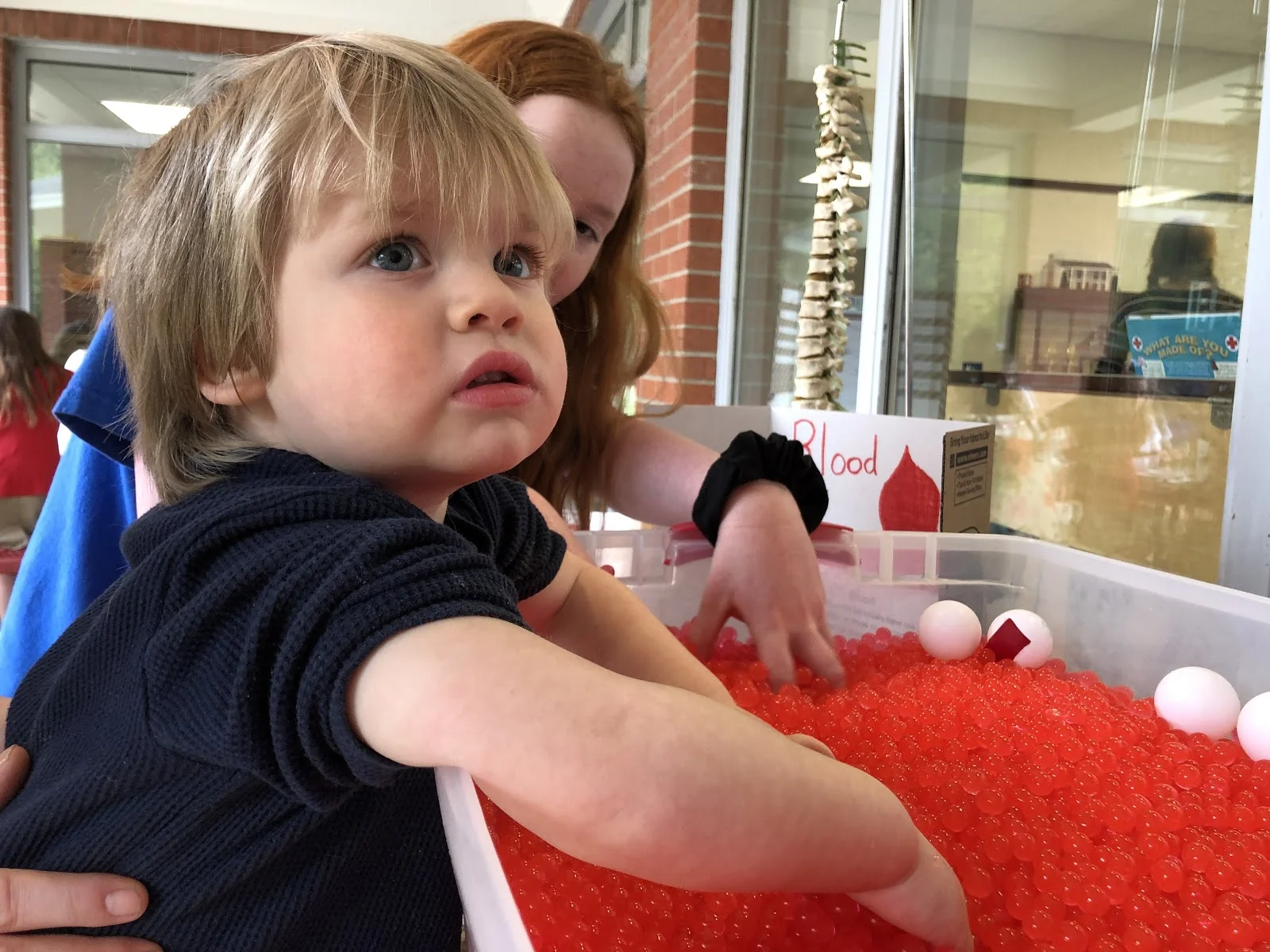
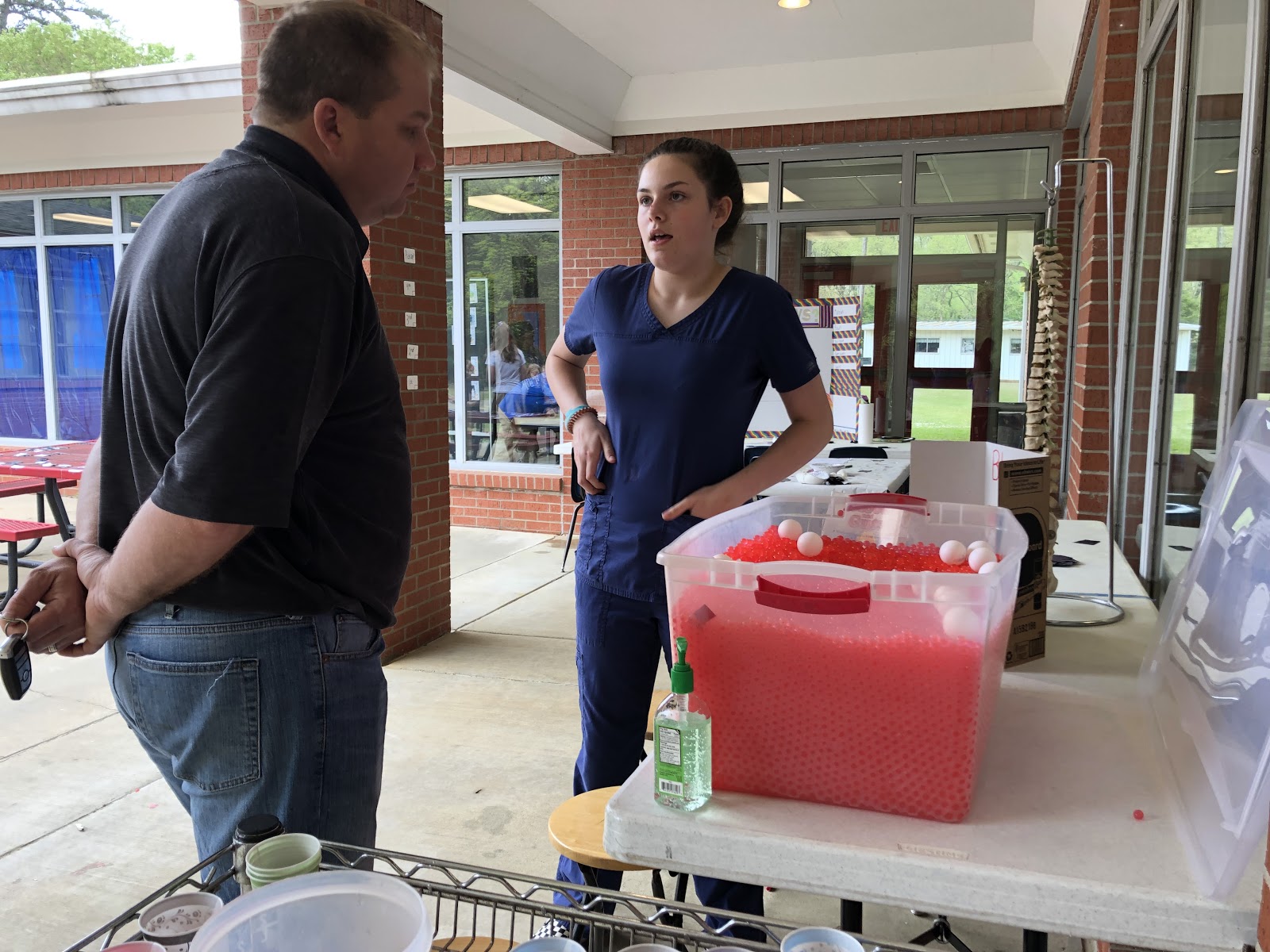
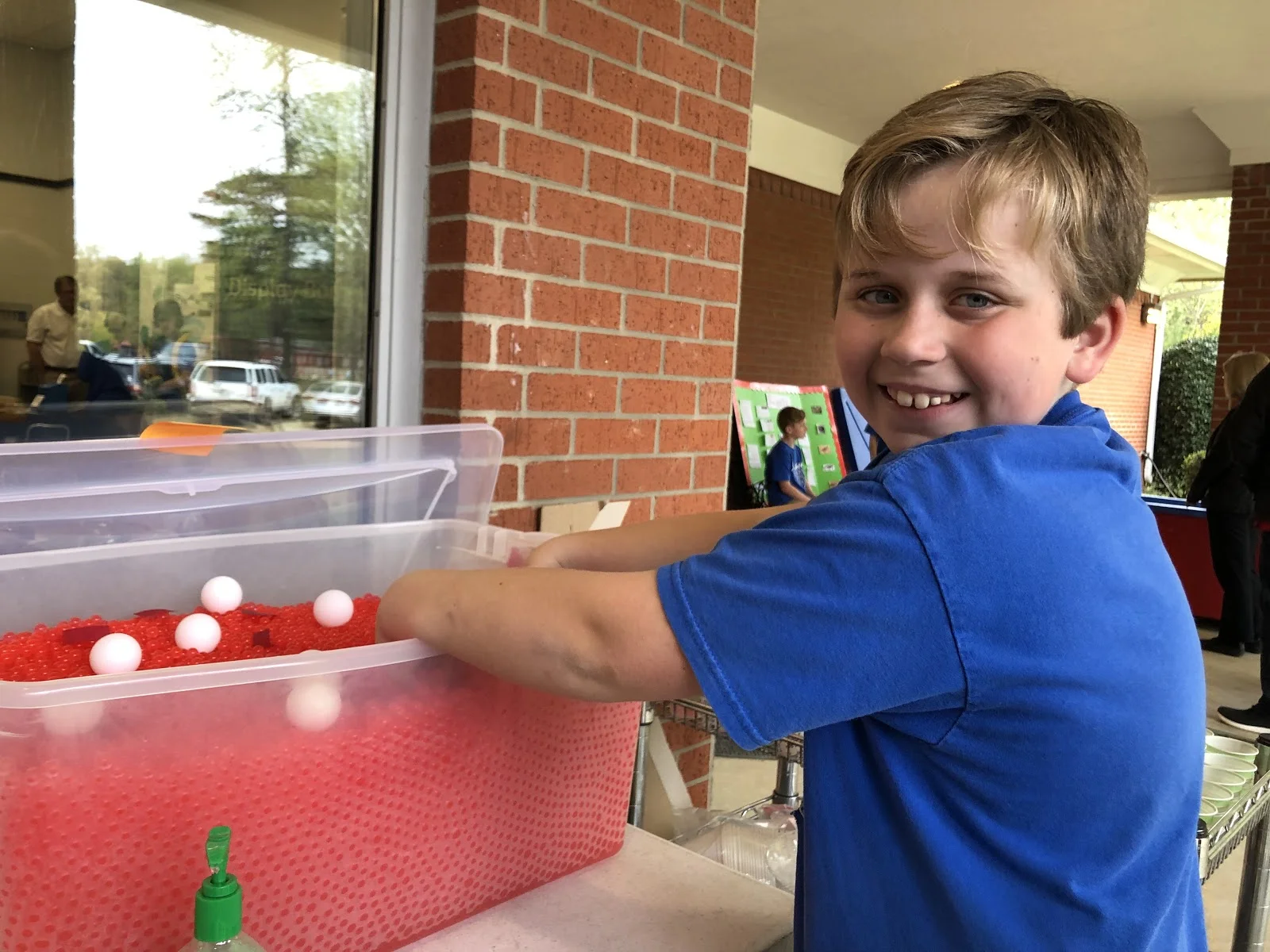
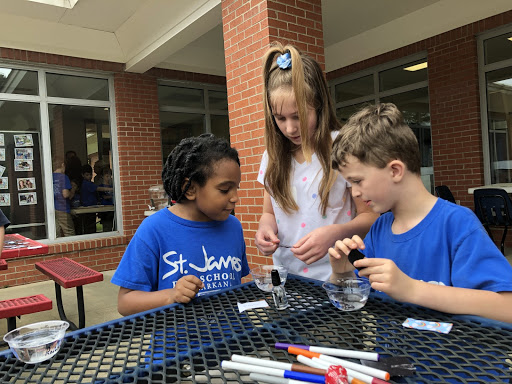
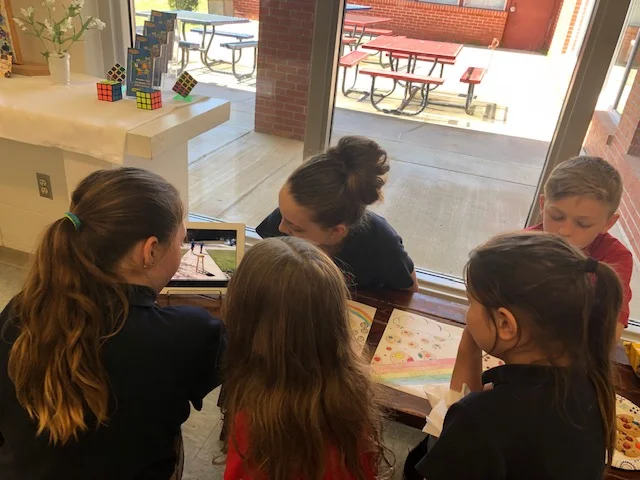
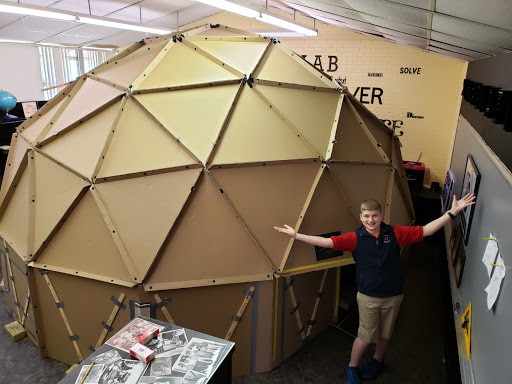
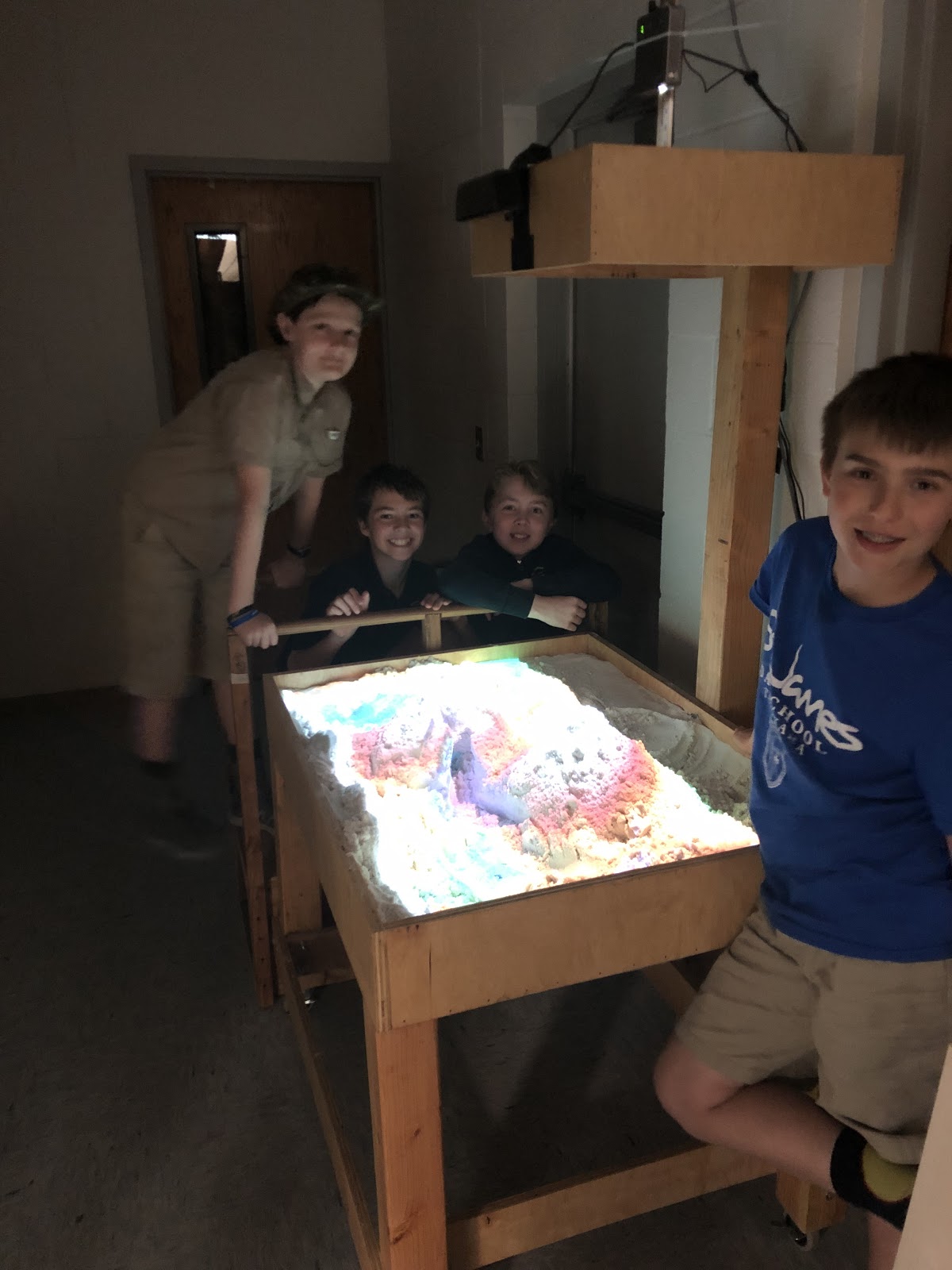
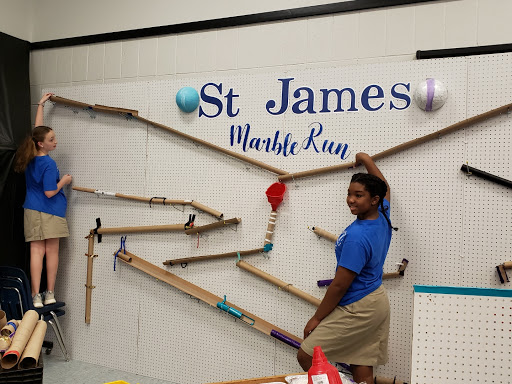
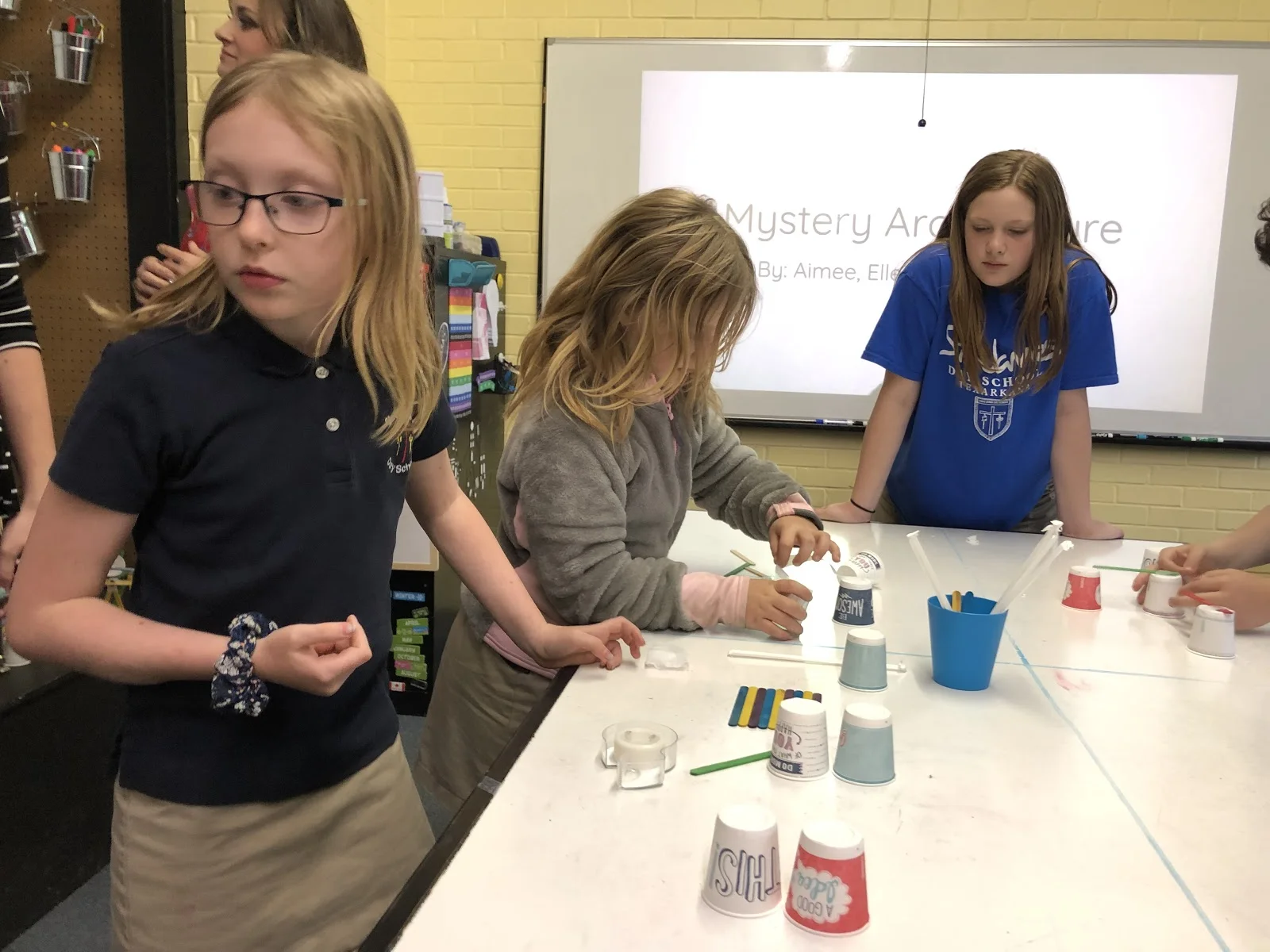
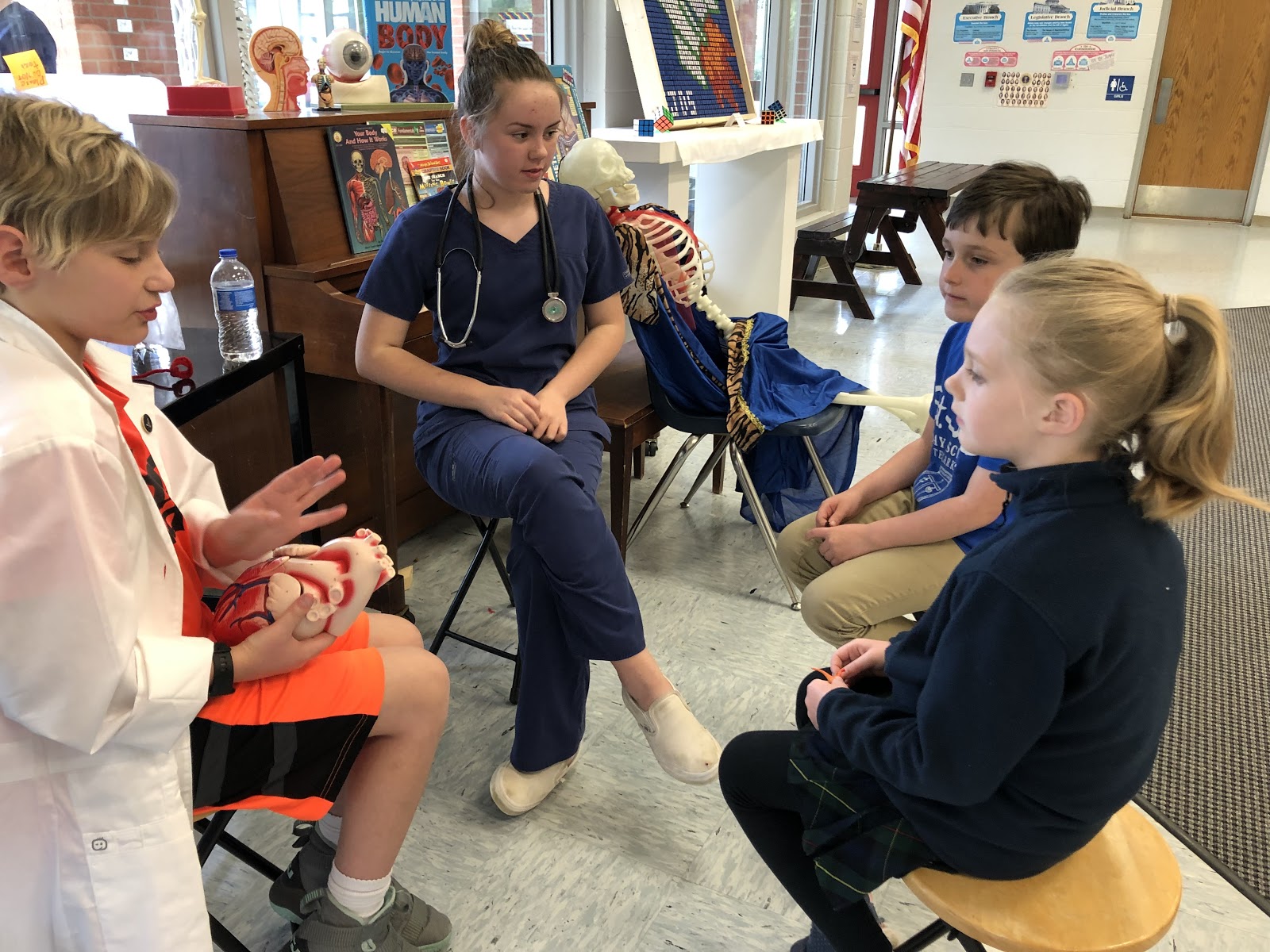
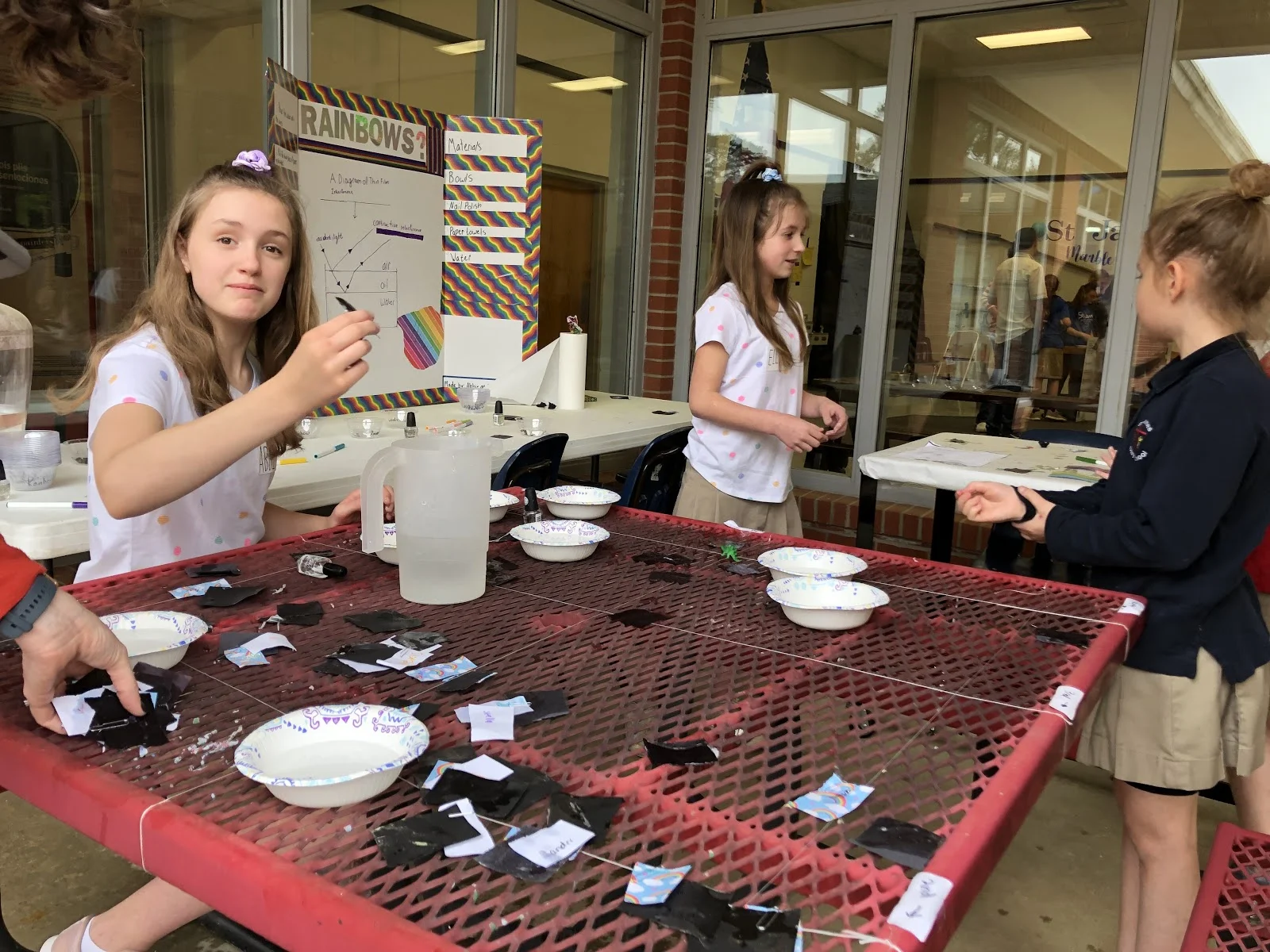
Our fifth through seventh grade students put a new twist on the concept of a science fair and hosted an interactive Science & Engineering Festival. Teams of students studied topics of interest and used their findings to create a hands-on exhibit to share with younger students. We invited younger grades to join us for our festival, and the cooperative learning experience was a great success. The students enjoyed pushing their limits to learn in new ways and share their findings with others.

Cardboard Planetarium:
Augmented Reality Sandbox:
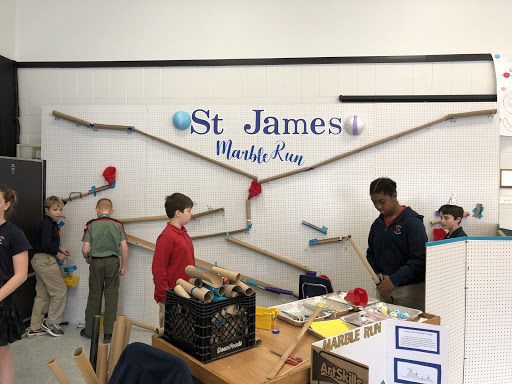
Marble Run:
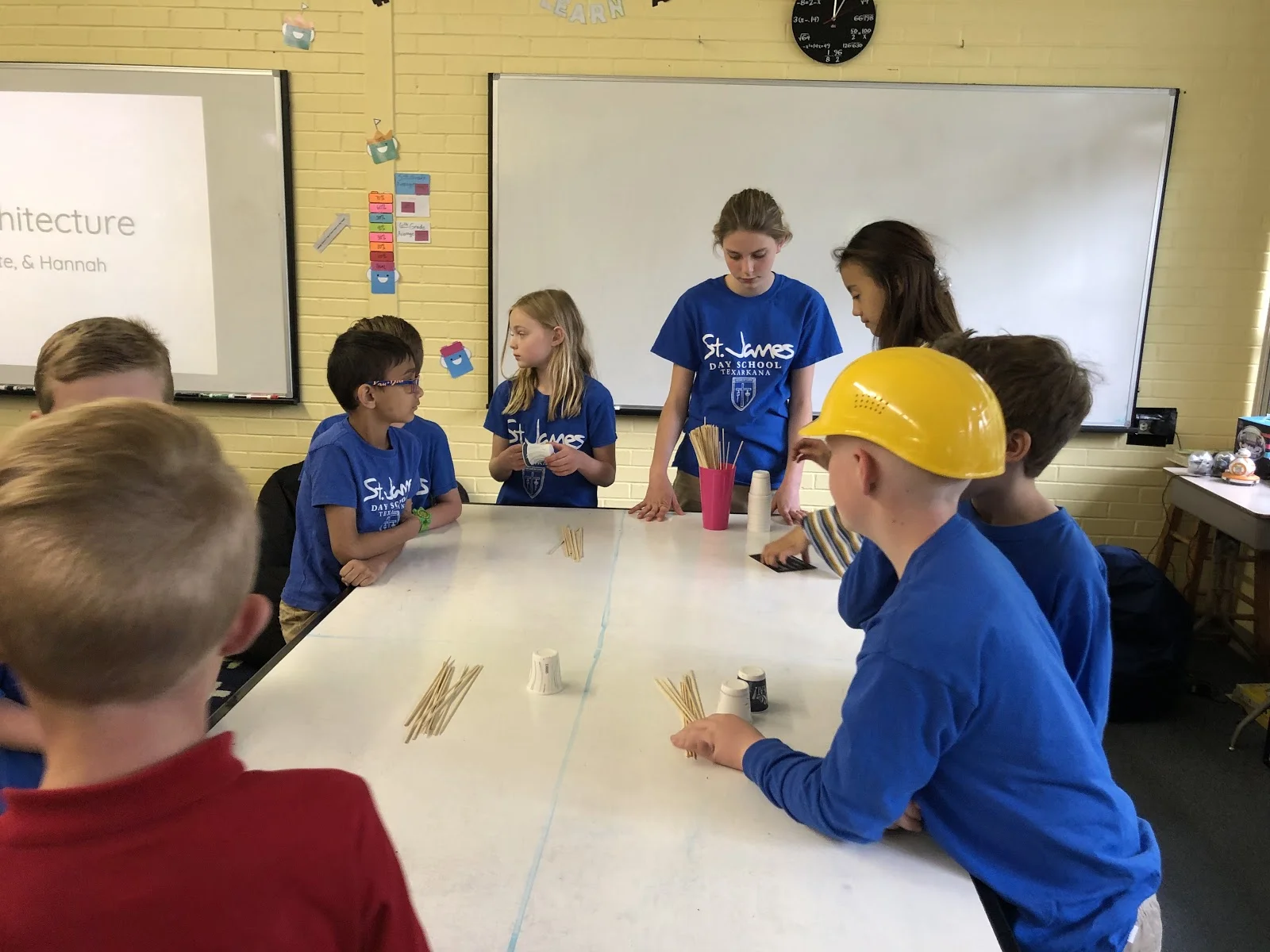
Mystery Architecture:
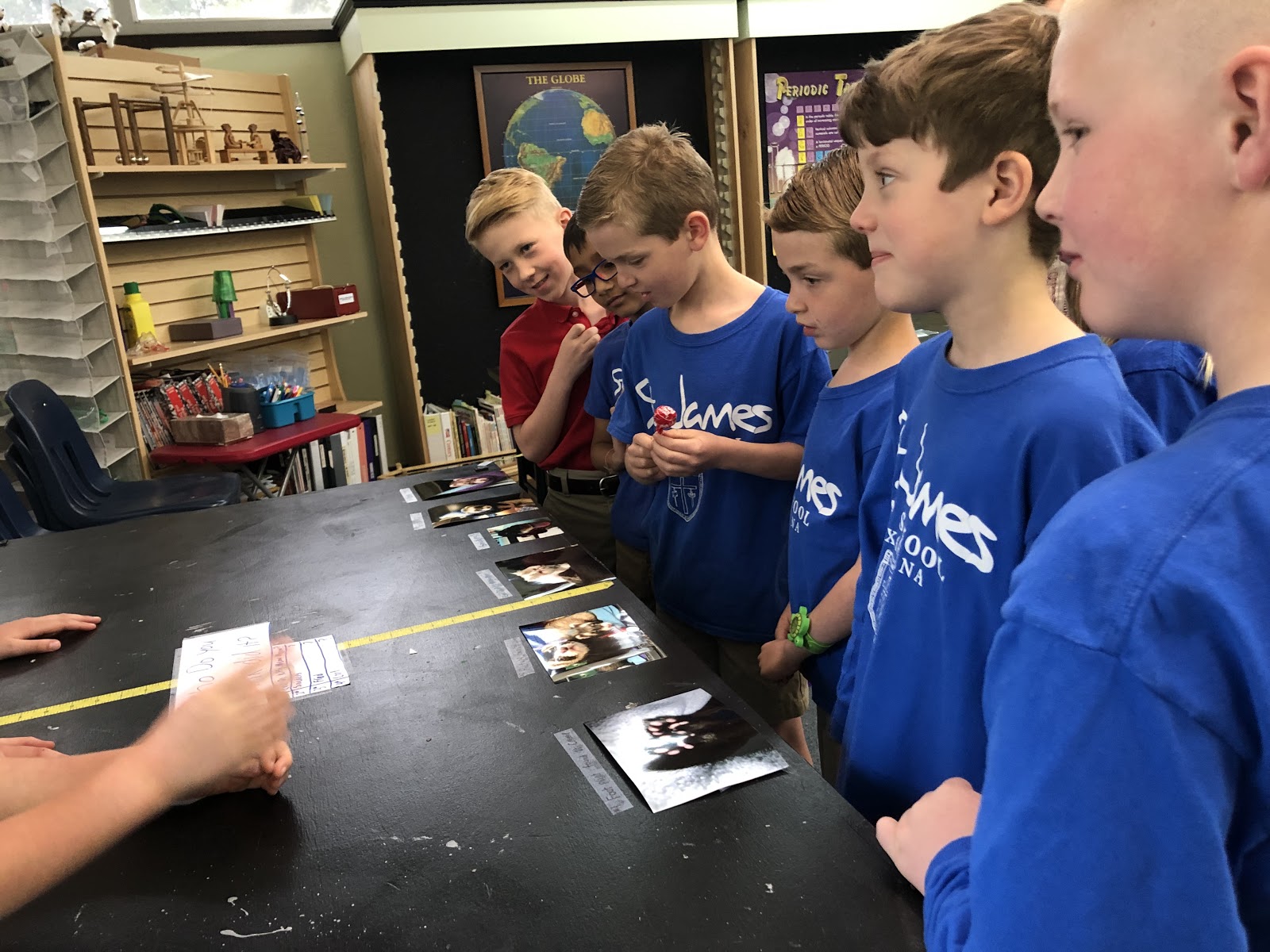
Crime Busters:
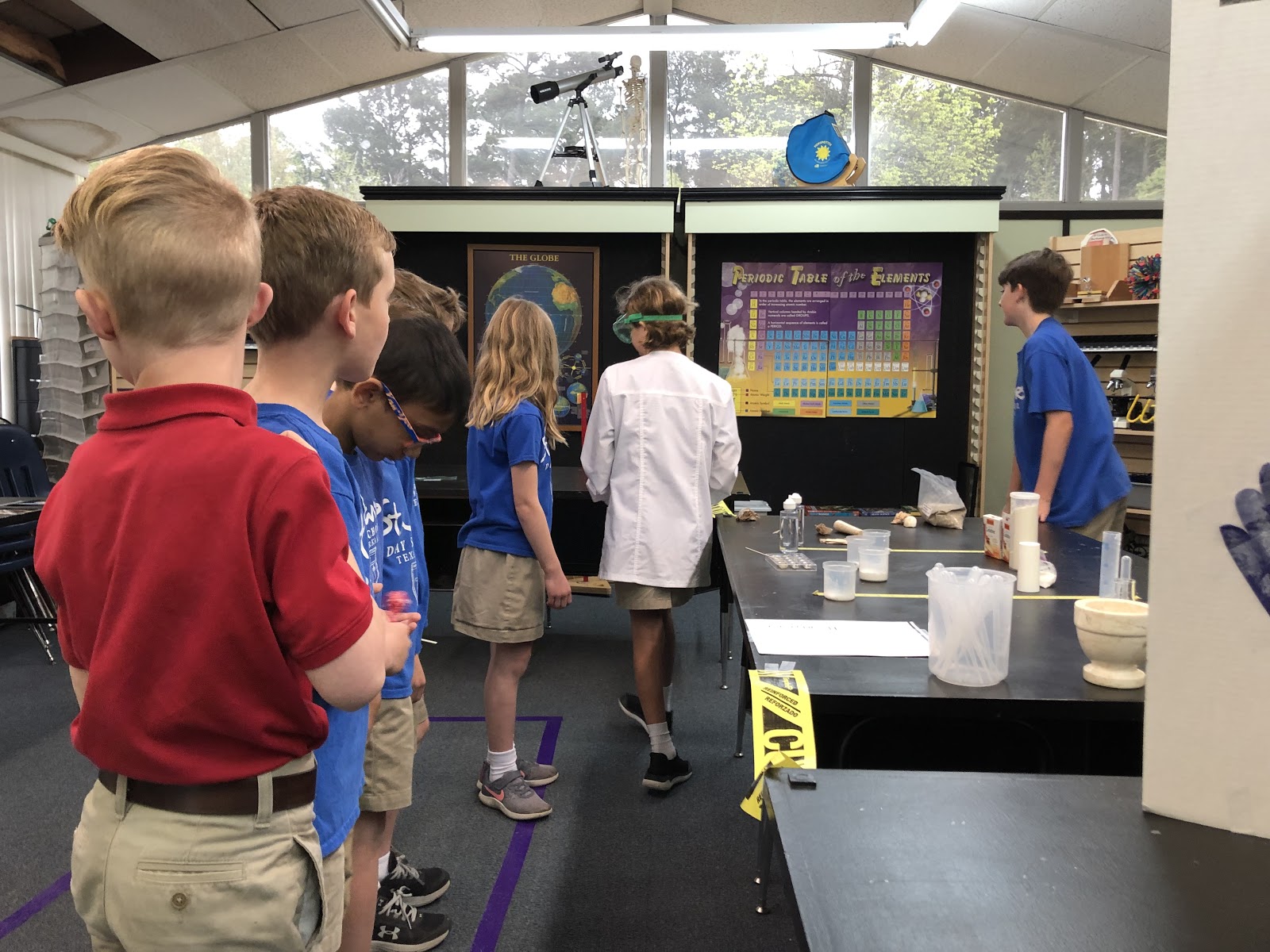
Write-It-Do-It:
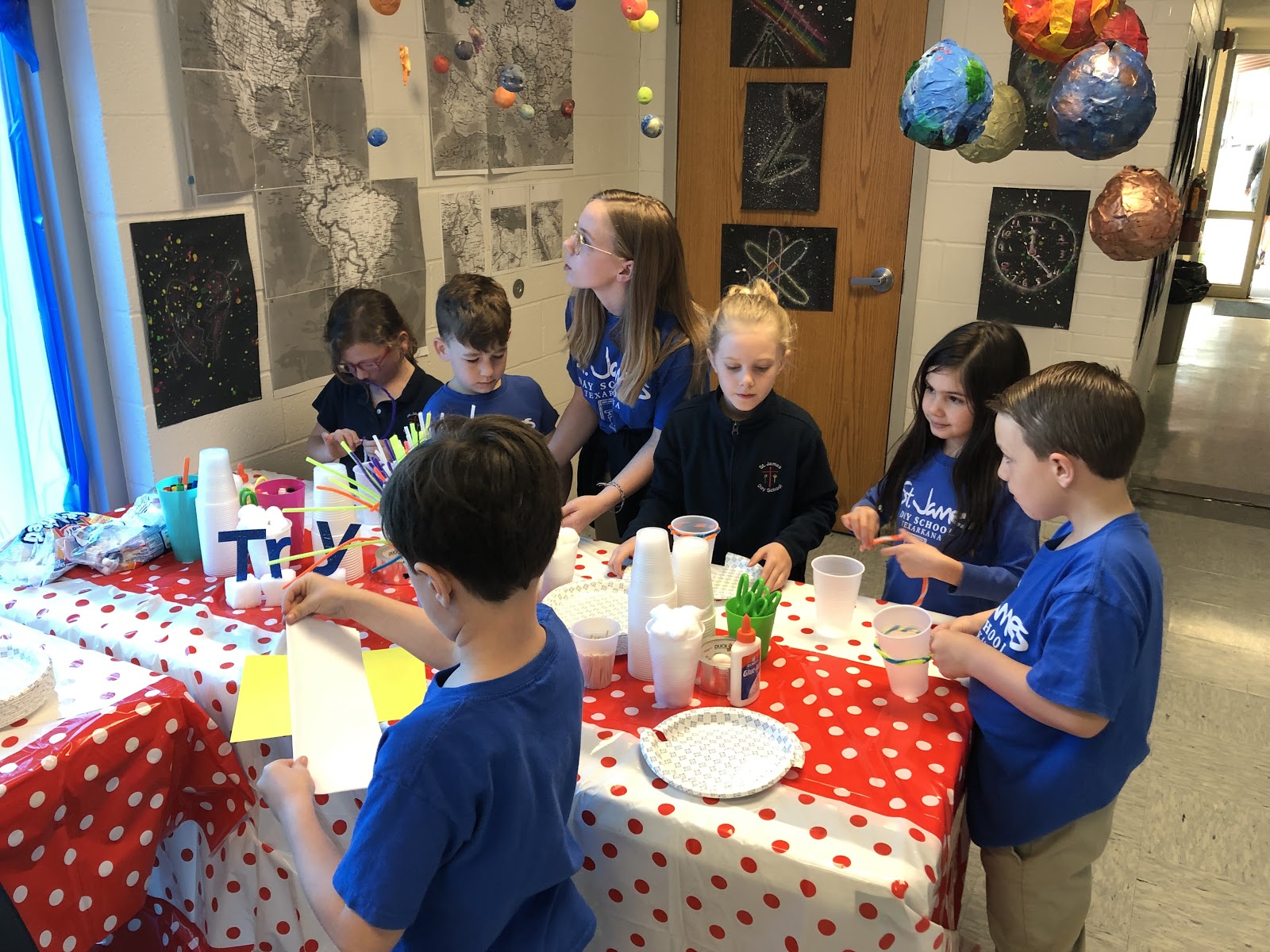
Circuit Lab:

fest17.jpg

Herpetology:

Fossils:

Anatomy & Physiology:
Rainbow Paper:


Susannah Joyce
5TH GRADE NEWS

LANGUAGE ARTS AND HISTORY:

Who wants some snacks?

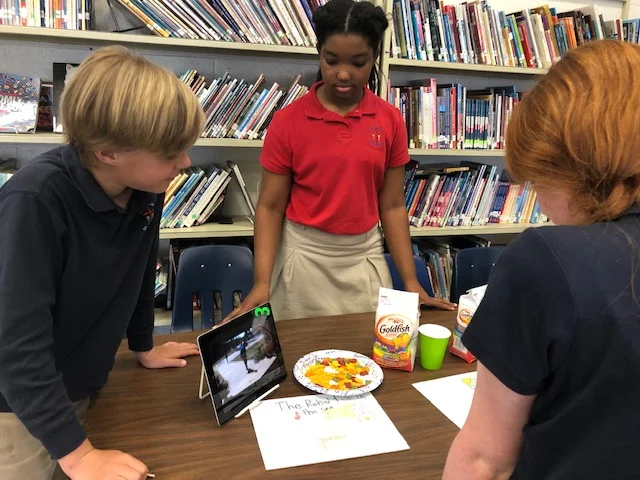
It’s always fun to end our persuasive writing unit with an advertising lesson. Advertising is probably the most recognized form of persuasion, and our lives are bombarded by it, especially now that we live in the digital age. In their final mini-project, 5th graders were tasked with retaining the essential principle of persuasion-- convincing your audience to want what you have to offer-- and applying it to food. What better product to advertise than tasty snacks? What better audience than 4th graders?

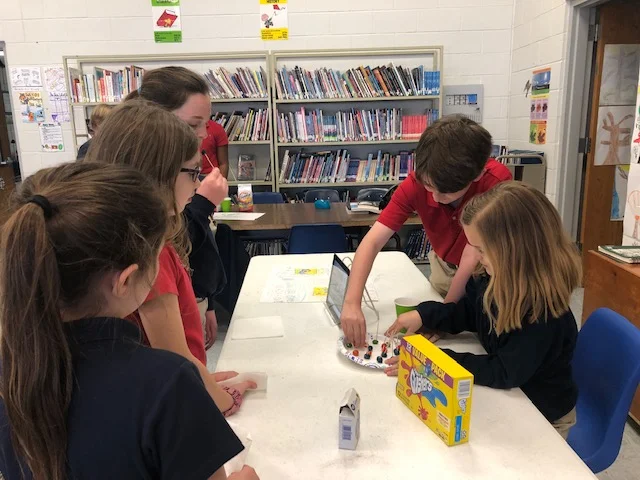
Students paired off (with the exception of one sweet student whose partner was ill) and chose a snack well-liked by most children-- Fruit Gushers, Goldfish, Rainbow Chip Deluxe cookies, and Fritos. They conducted taste-test research to write their slogan and design three different ads-- a billboard, a magazine ad, and a video. Then, the class presented their ad campaigns, complete with product samples, to the 4th grade class. The 4th graders, suitably impressed with the colorful ads and creative videos, were most convinced by two snacks-- Goldfish (voted favorite) and Rainbow Chips Deluxe cookies (voted most persuasive ad). Overall, 5th graders have learned that persuasion is, indeed, an art form, and that they can write persuasively if they believe in their opinion, conduct solid research to support their opinion, and know their audience.


Susannah Joyce
5TH GRADE NEWS

LANGUAGE ARTS AND HISTORY:

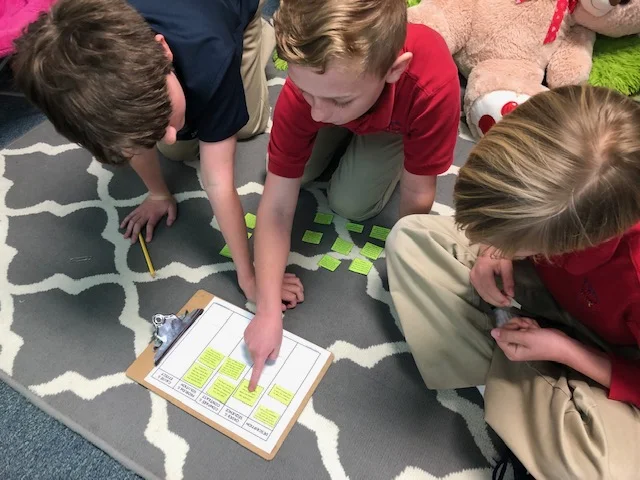
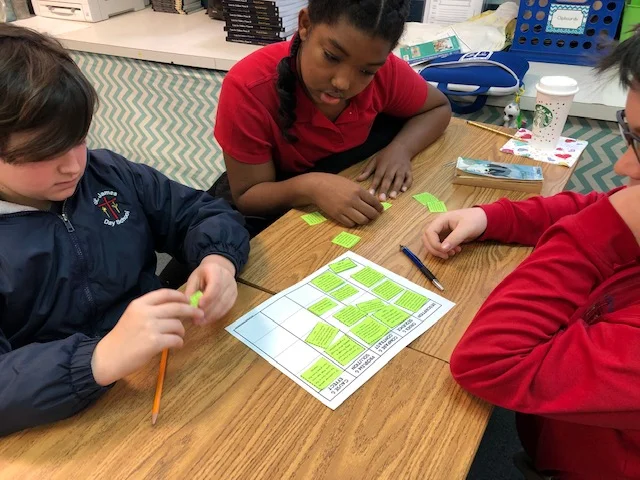
Fifth grade just completed our informational writing unit. The class spent 8 weeks learning the five text structures in this type of writing, practicing identifying them, and then writing paragraphs in the structures. Informational writing is the most common form of writing, as it is used to explain and describe non-fiction. We encounter informational writing every day in the classroom through textbooks and notes, and in the world through news articles and social media posts. Therefore, the ability to recognize and comprehend the text structures is essential. However, the ability to write in these text structures is impressive, and the fifth graders have exceeded my expectations. Their text structure magazines showcased their understanding of key words and phrases, and they were beautiful, as shown in our last blog post. To end our unit, students prepared for a final assessment. They completed task cards with practice passages, played an online Kahoot!,  and teamed up for an interactive sort game. This game was not as simple as it looks-- it took each team several tries to get the sentences matched under the correct structure. However, their perseverance was rewarded! All students did very well and I’m proud of how much effort they put into their studies.

MATH AND SCIENCE:
Ft. Worth Regional Science Olympiad

The Spartan Science Olympiad team traveled to Ft. Worth to compete in one of the ten Texas Science Olympiad Regional tournaments. There are over 100 teams in Texas competing at these Regional tournaments for 30 spots at the State tournament. Our team placed 2nd overall at our Regional, so we are eagerly awaiting a notification to see if we advanced to the State level...This would be an incredible feat for a first-year team!

1st Place Events:

Density Lab (Chris & Jonah)

Dynamic Planet (Chris & Nick)

Write It Do It (Annabelle & Molly)

2nd Place Events:

Boomilever (Dylan & Morgan)

Herpetology (Chris & Ayres)

3rd Place Events:

Fossils (Jonah & Morgan)

Thermodynamics (Annabelle & Nick)


Susannah Joyce
5TH GRADE NEWS

MATH AND SCIENCE:

ONE SMALL STEP…ONE GIANT LEAP

We choose to go to the moon. We choose to go to the moon in this decade and do the other things, not because they are easy, but because they are hard, because that goal will serve to organize and measure the best of our energies and skills, because that challenge is one that we are willing to accept, one we are unwilling to postpone, and one which we intend to win, and the others, too. ~John F. Kennedy, 1962

It’s difficult for our kids to imagine what it was like before the lunar landing, to imagine a time when going to the moon was one of the greatest challenges set before our nation. We spent some time reflecting on the greatness of landing on the moon by looking both to the past, as well as to the future. What future? What is our “next giant leap”? Mars!

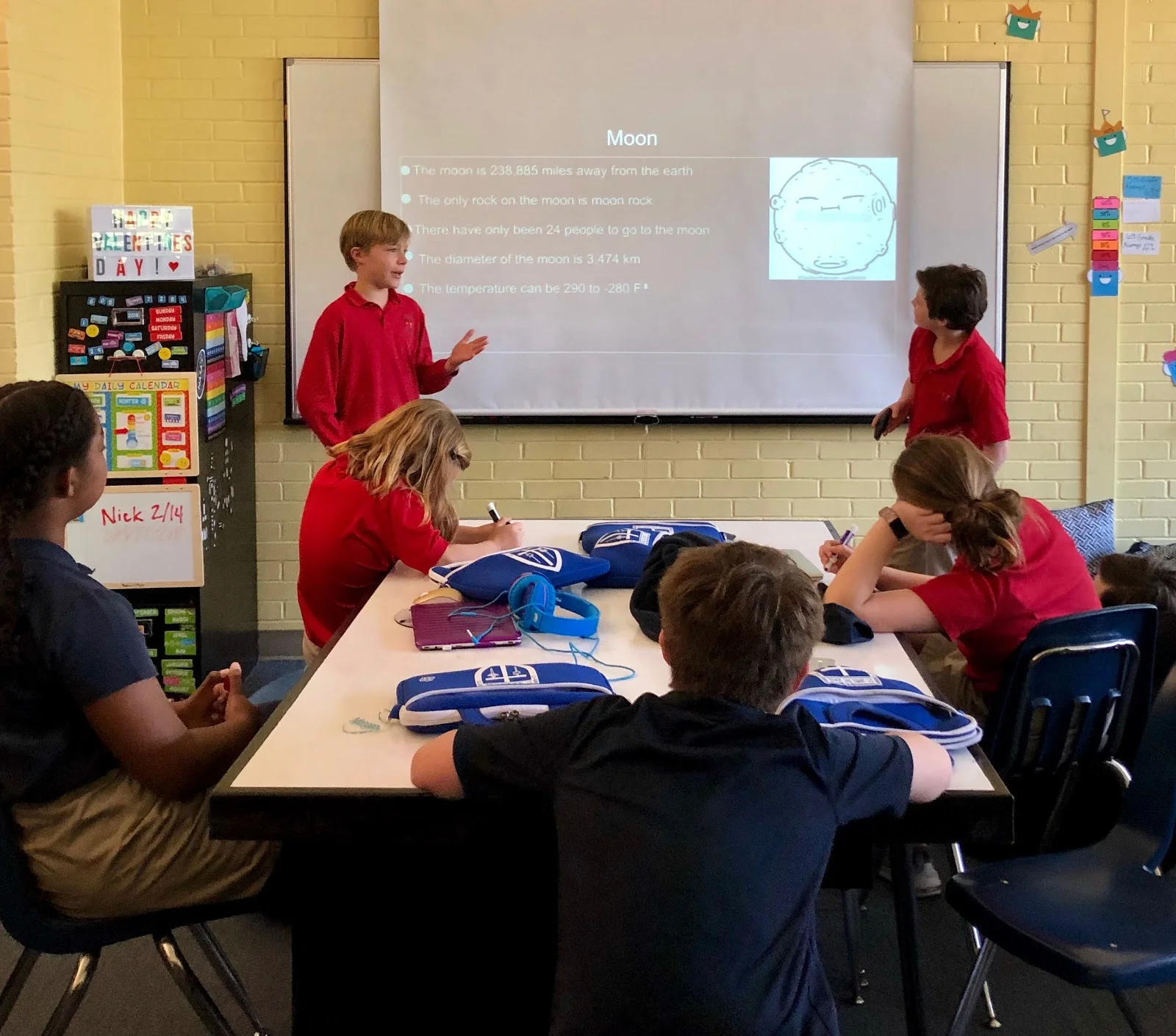
The middle school took our learning out of this world by diving in to a multi-grade investigation of the solar system. Fifth grade stayed somewhat close to home with their research of the Sun, Earth, and Moon. Sixth grade traveled far and wide as they studied the other planets and moons of our solar system, including the dwarf planets (can we please bring Pluto back?). Seventh grade took a deep look into what it would take for humans to live on Mars. Each student and grade shared their findings with one another in whatever manner they found most effective and engaging. We had great fun learning, as the students became the teachers.

LANGUAGE ARTS AND HISTORY:

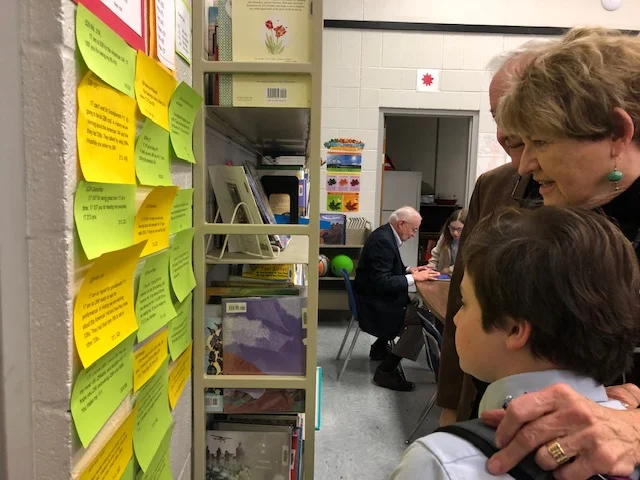
Fifth grade has been writing, writing, writing! We are wrapping up our American Revolution unit in History, and students have written short biographies of some well-known and other less known historical figures. Students are organizing their biographies into a newsletter that we will share with parents next week. Fifth graders also learned about the first spy ring in America that was run by George Washington during the war. Like the spies, they wrote coded messages to their grandparents for our annual Grandparents Day.

The writing fun continues in Language Arts, wherein the class just completed a magazine project that showcased their knowledge of the five informational text structures. Each student chose a topic important to him or her and wrote articles in each of the text structures. They hand-drew covers and ads highlighting their topic. What an impressive array of magazines they produced-- topics ranged from art to dove hunting to Disney cruises to Pokemon!


Susannah Joyce
5TH GRADE NEWS

MATH AND SCIENCE:

What’s the Weather?

In fifth grade we are learning about weather, seasons, and climate through online research and hands-on investigation. Pictured here are students trying to figure out what time and season it would be in Texas, based on the tilt of the Earth’s axis, its orbital position around the sun, and its rotation upon its own axis.

yec1.JPG

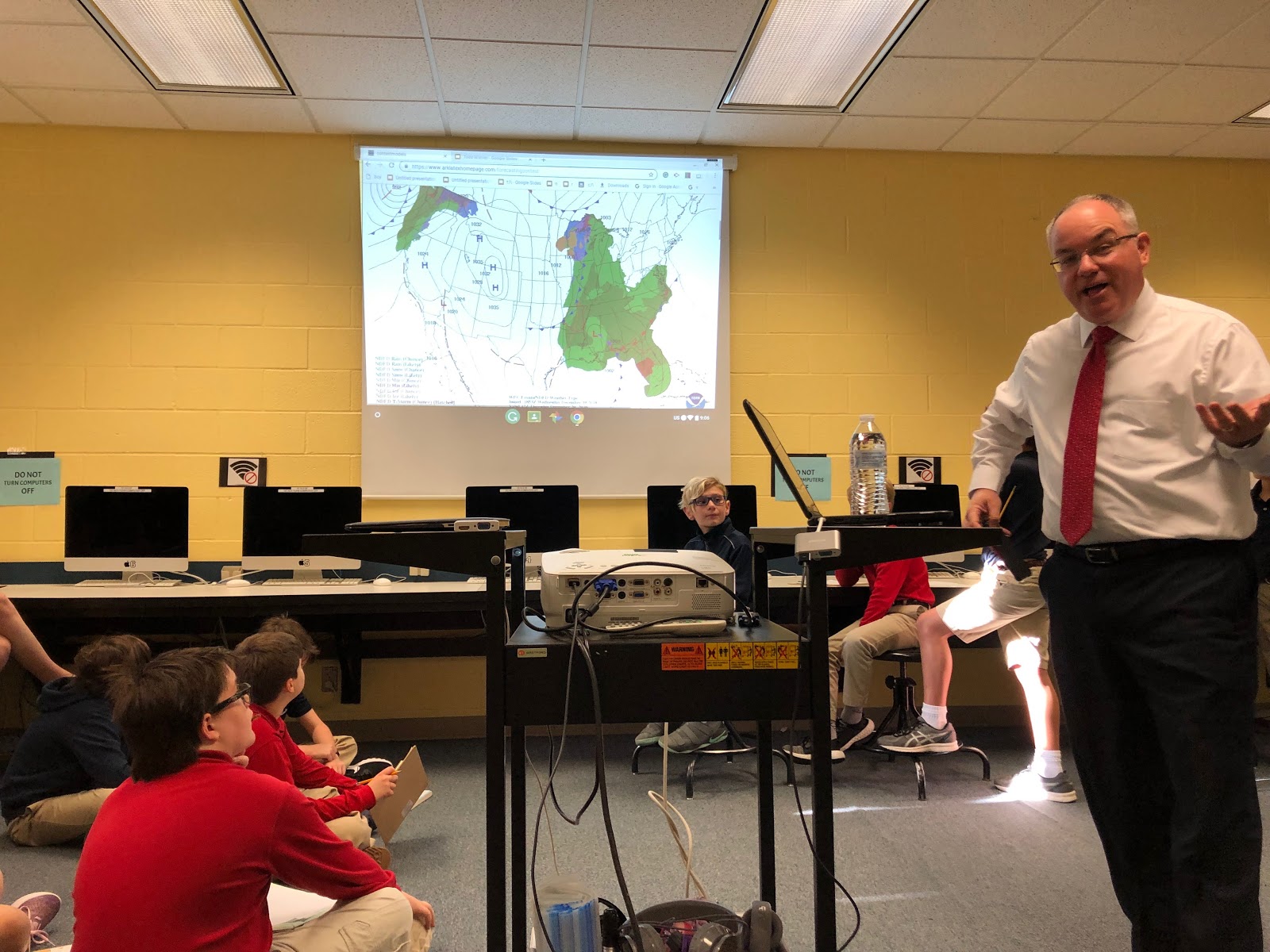
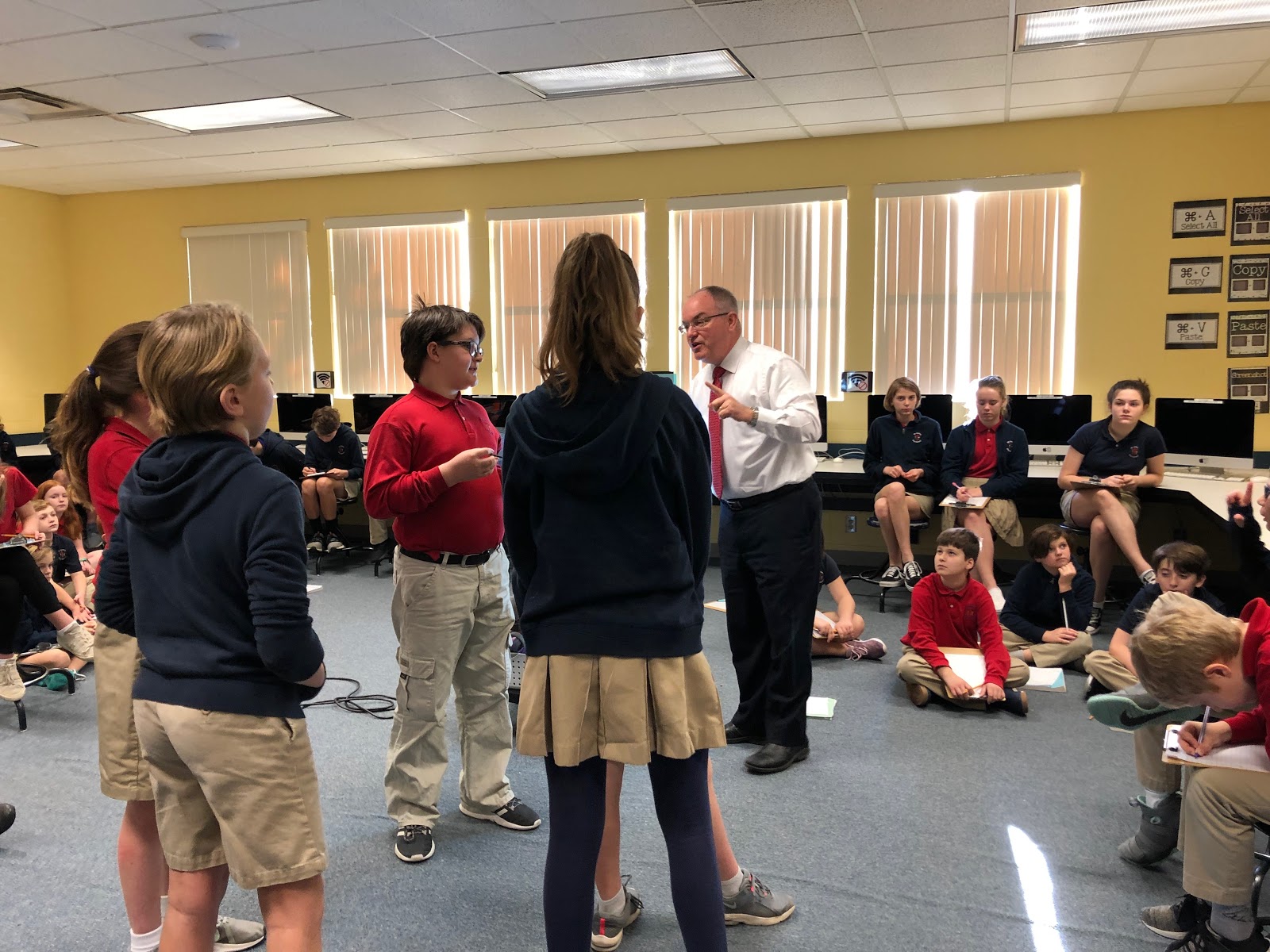
Students will also participate in a weather forecasting contest with KTAL Chief Meteorologist, Todd Warren.

LANGUAGE ARTS AND HISTORY:

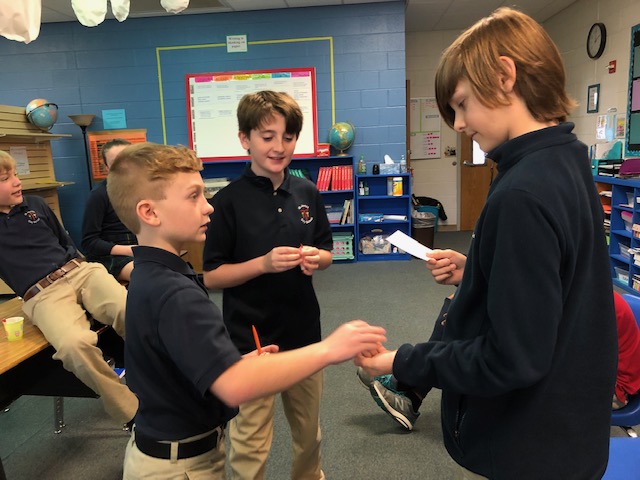
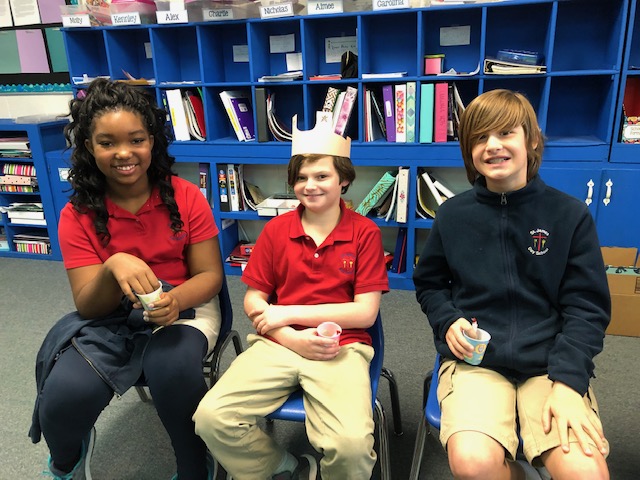
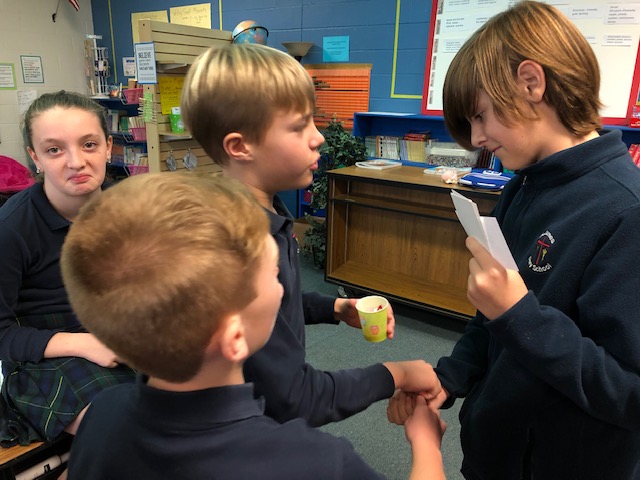
In our study of the thirteen colonies, 5th graders are learning about the colonists’ growing dissatisfaction with Britain. Most especially, students are connecting the dots between Britain’s desire for land, the French and Indian War, and the costly effects of that war on the colonists-- taxes on paper, glass, and tea, among other things, and quartering British soldiers in colonists’ homes. To sympathize with colonists’ feelings, we played a game about taxation without representation. Students were allotted a small cup of candy, as I chose students to play King George III, a member of Parliament, and a tax collector. The tax collector announced random taxes, such as one Skittle to be paid by all colonists with blond hair, or three Smarties to be paid by all colonists wearing a red shirt. He then split the “taxes” among King George, Parliament, and himself. As the photos demonstrate, the tax collector was not a popular person. Thankfully, our students did not tar and feather him!


Katelyn Gunter