Building Thinkers
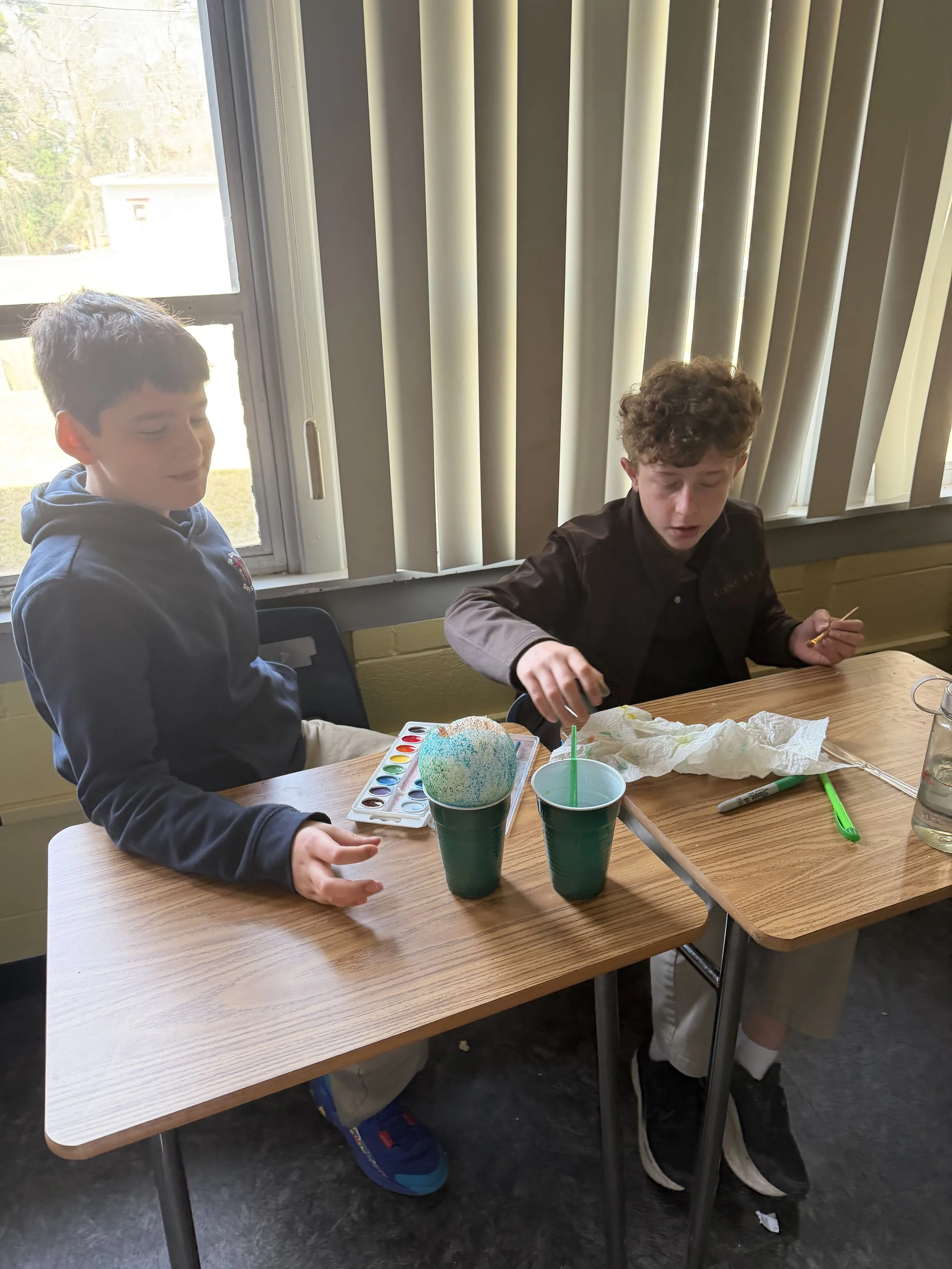
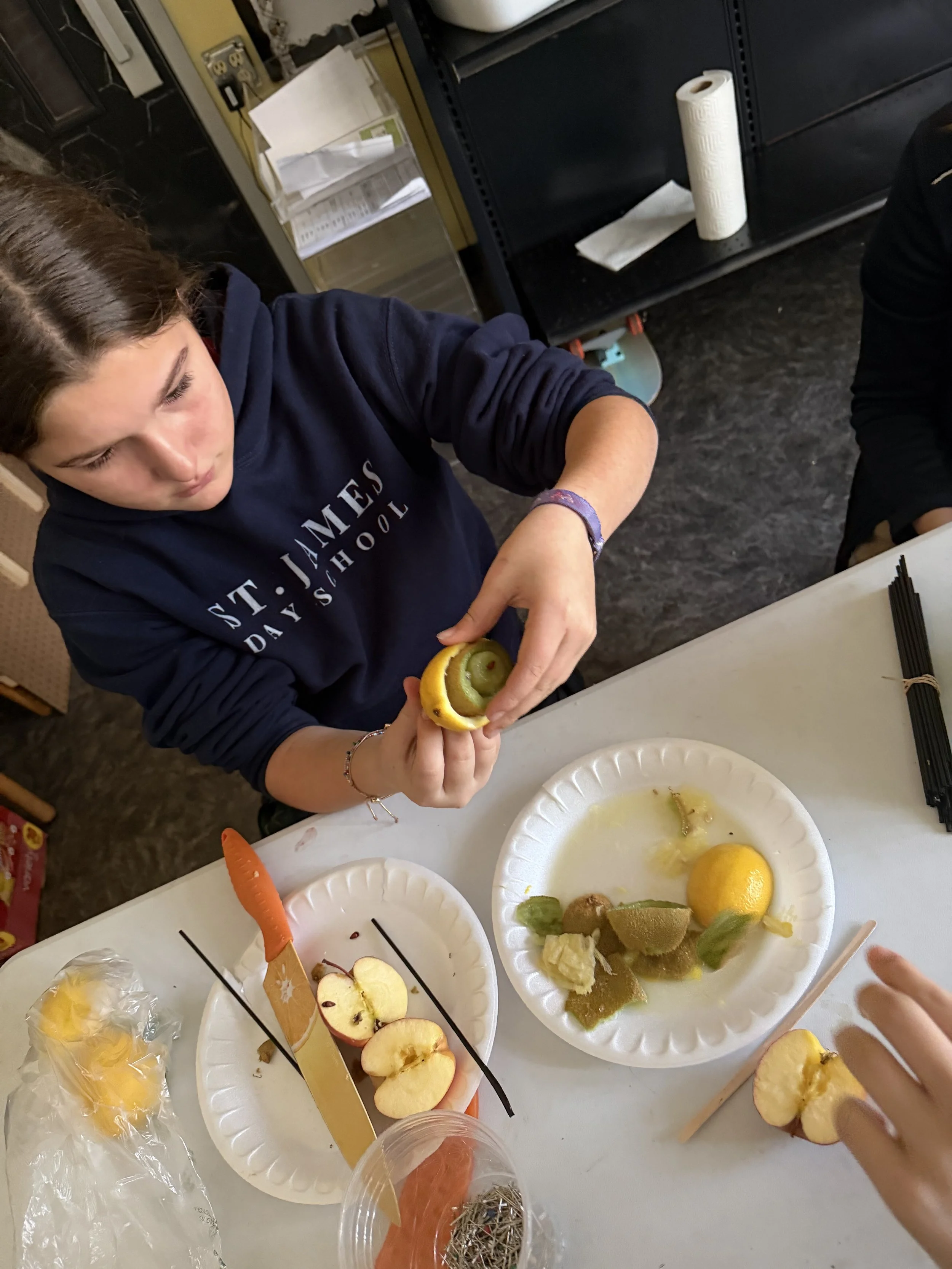
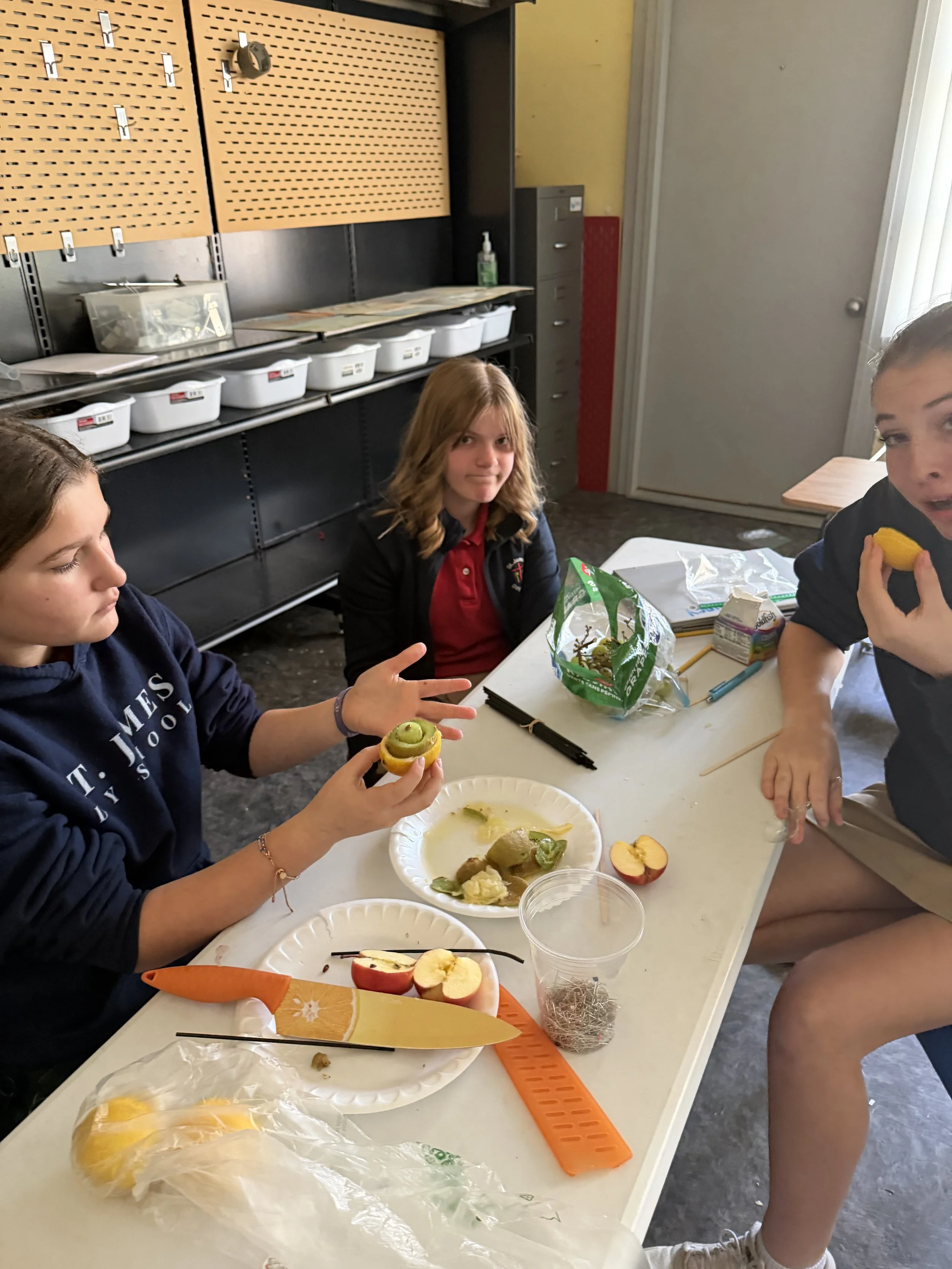
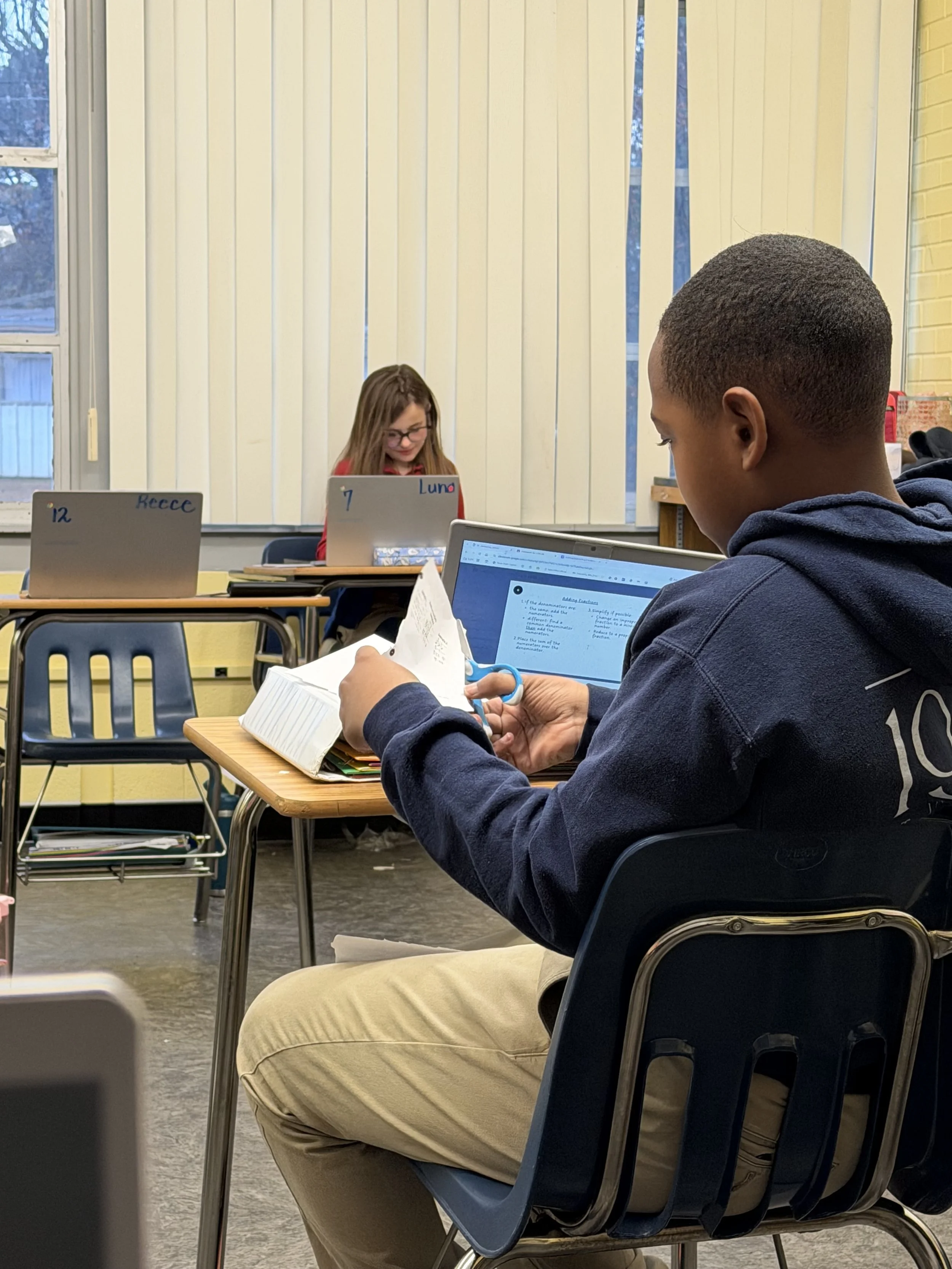
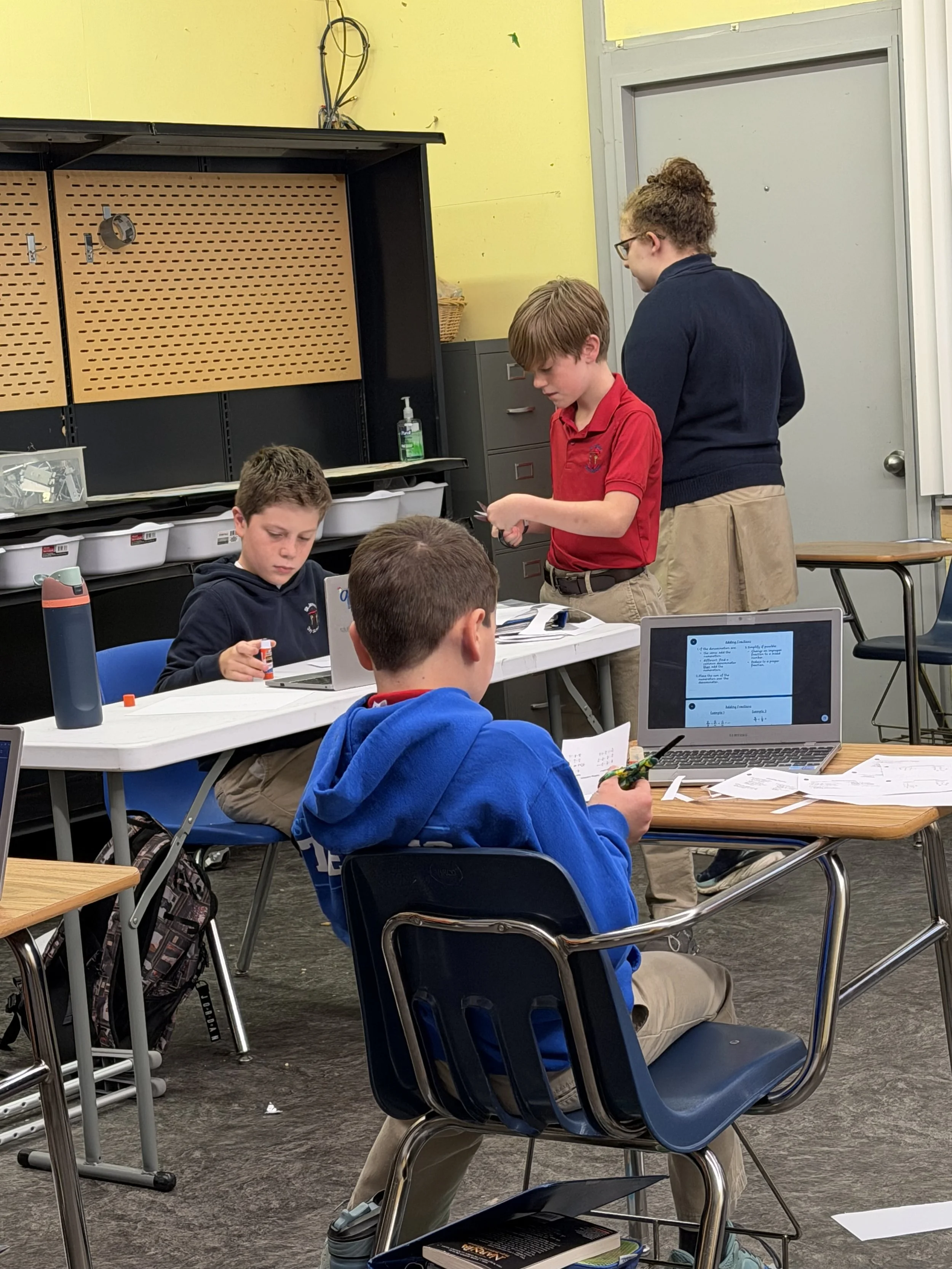
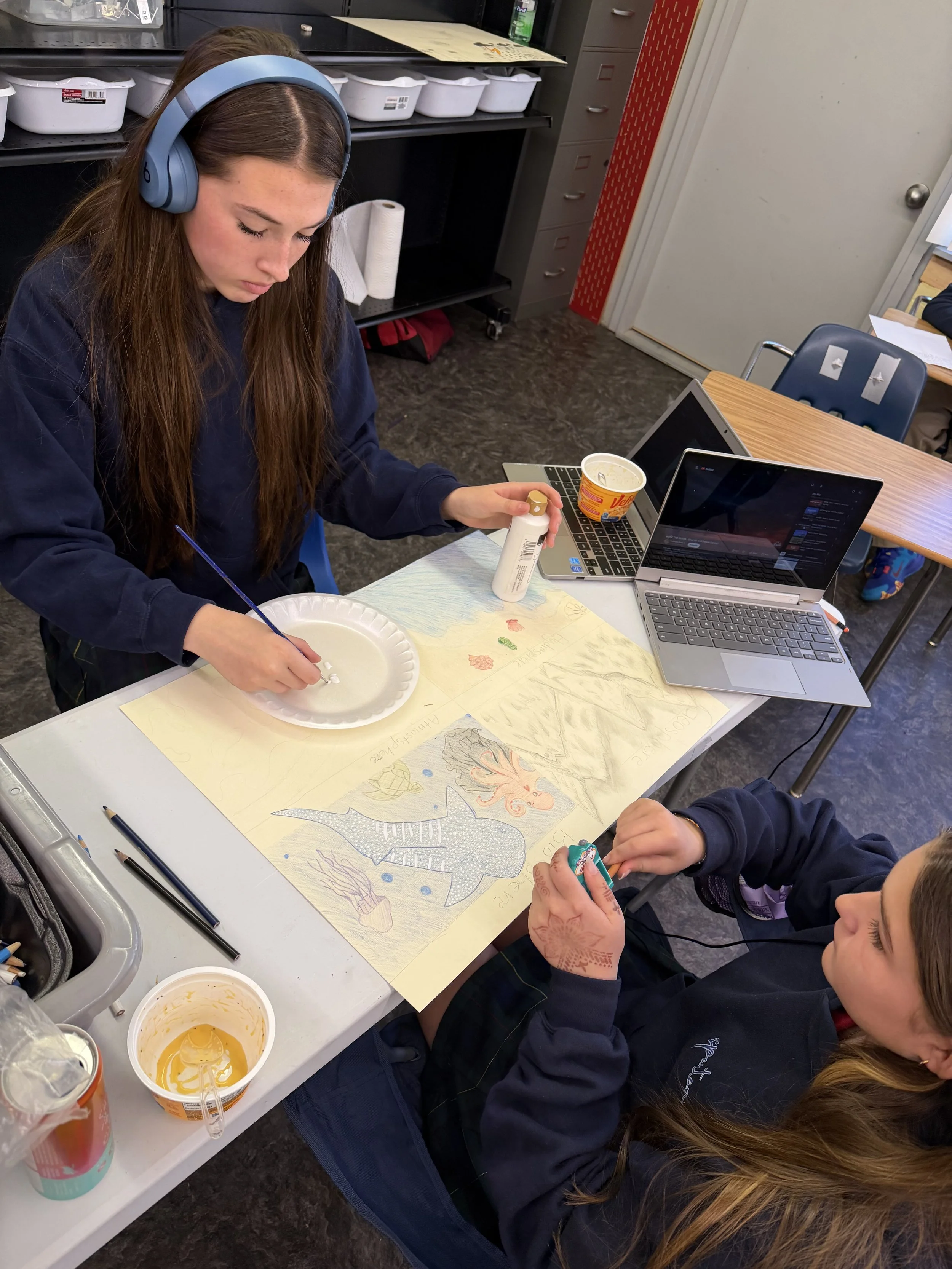
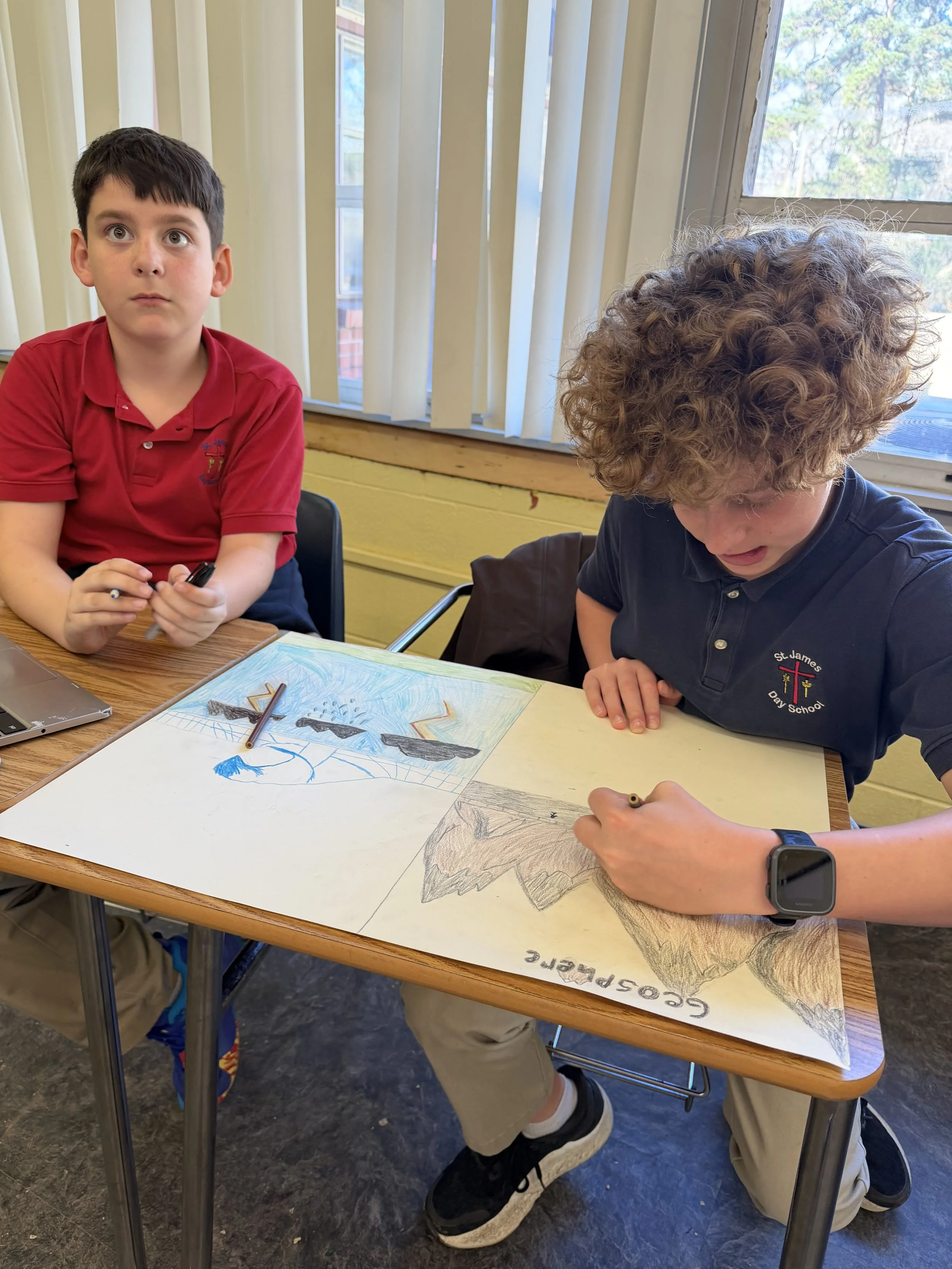
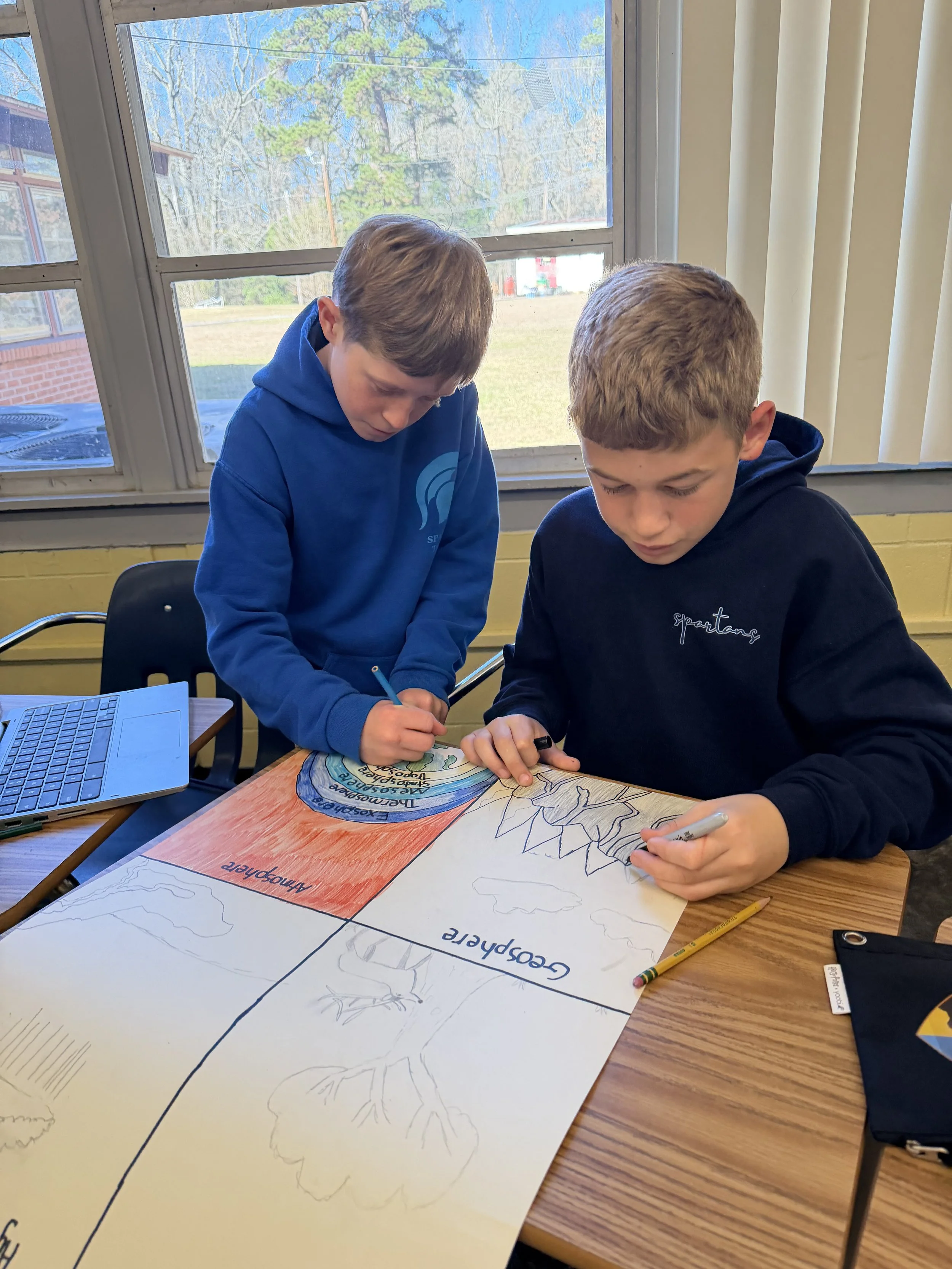
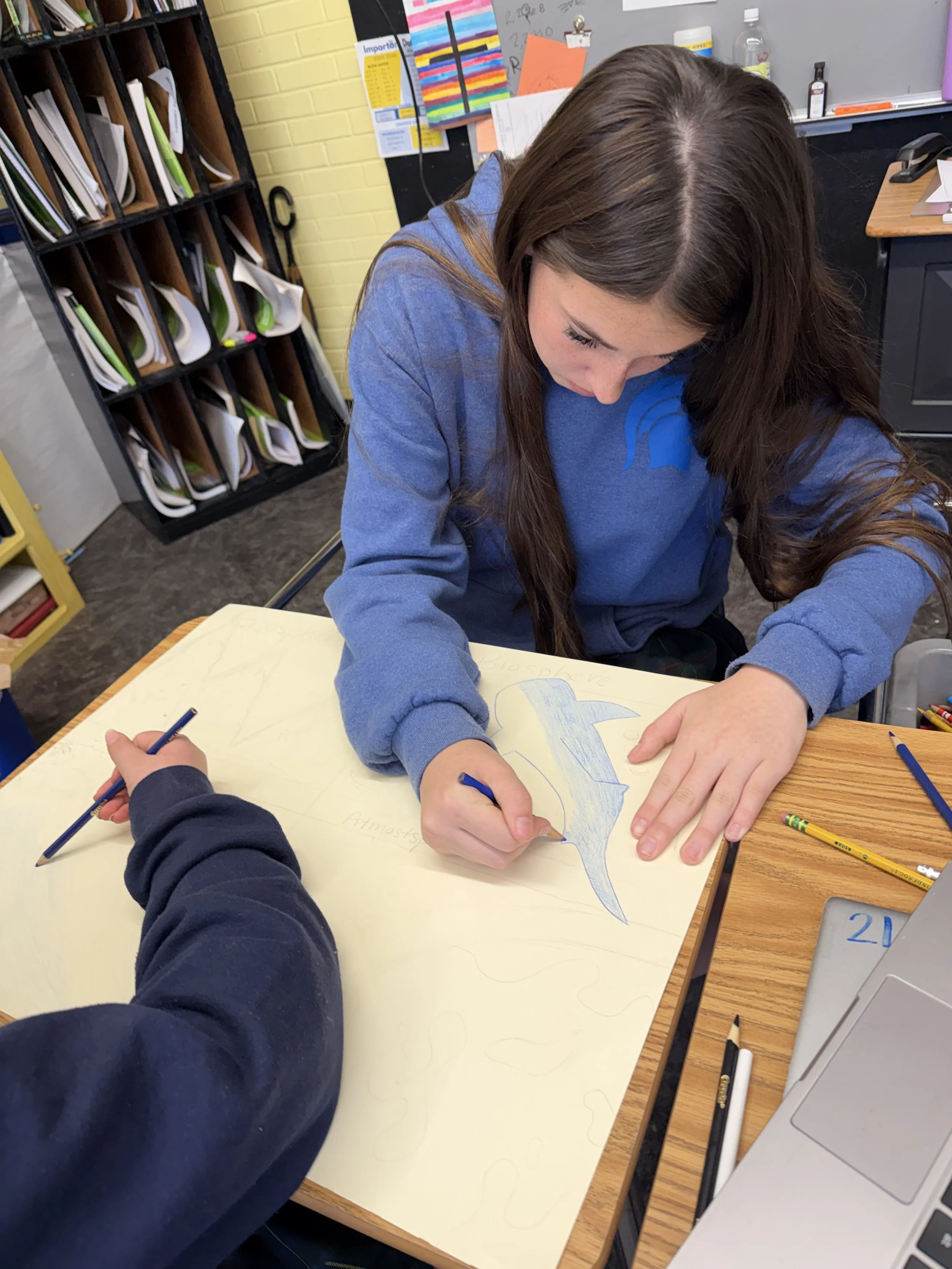
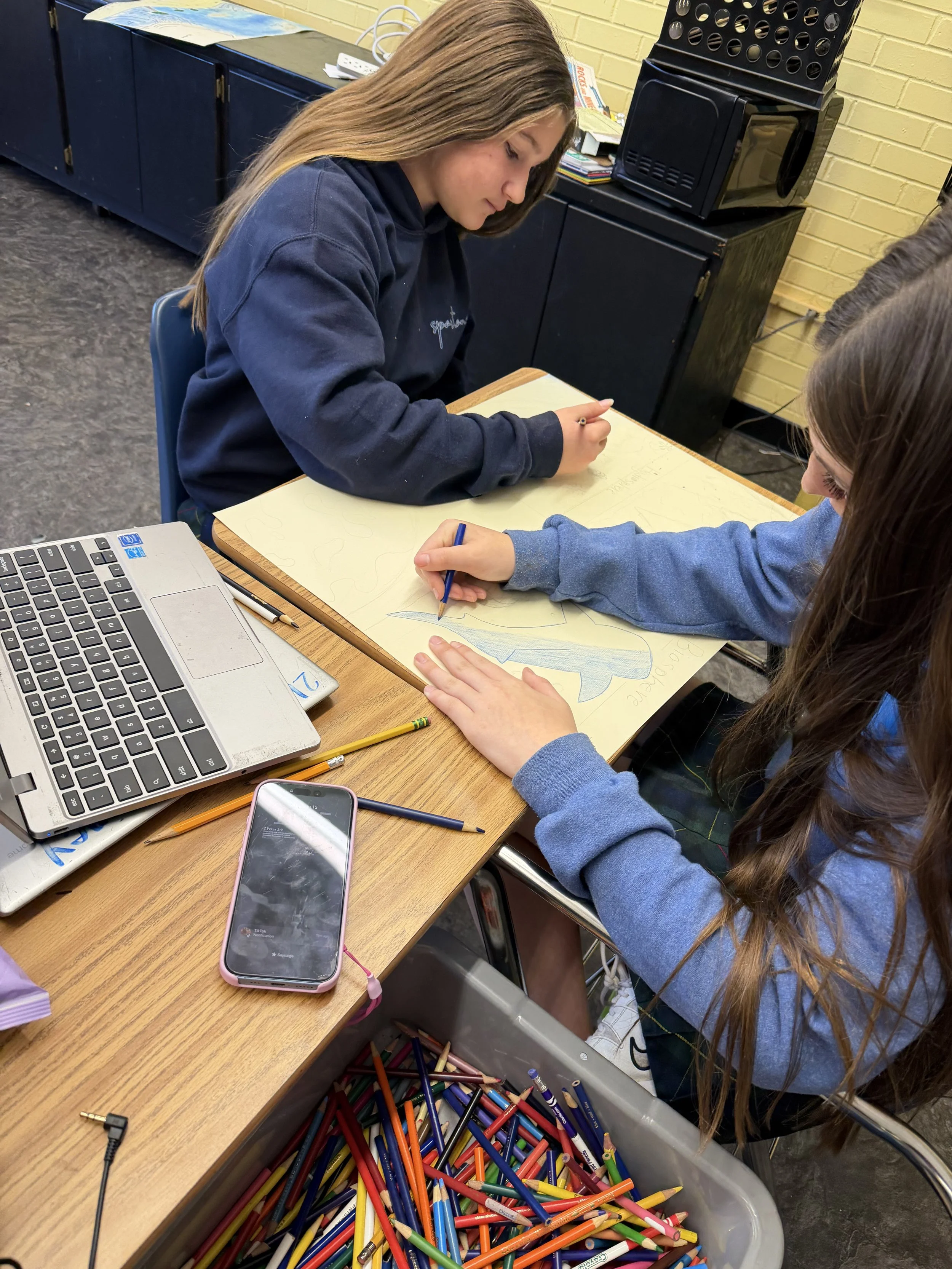
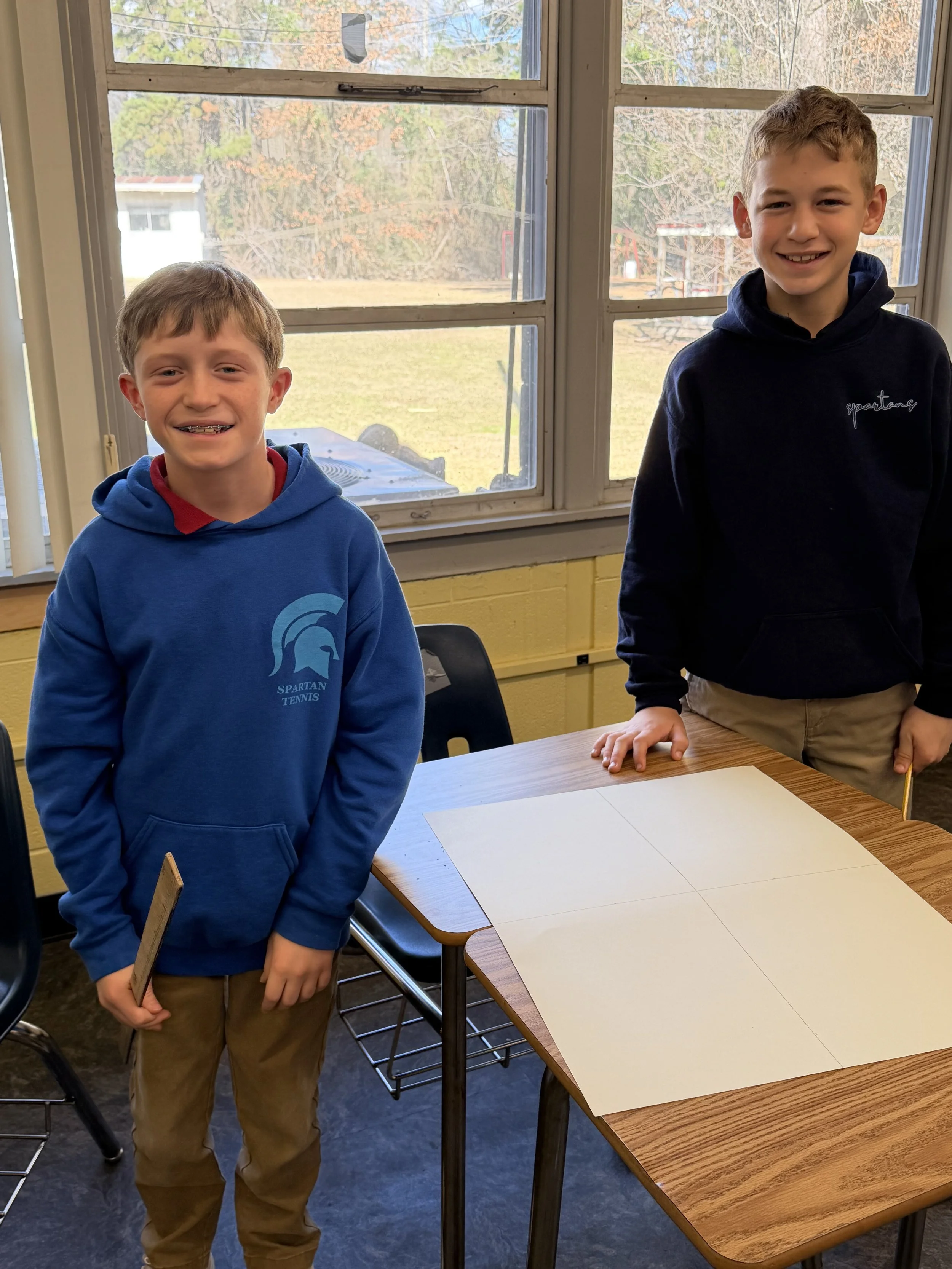
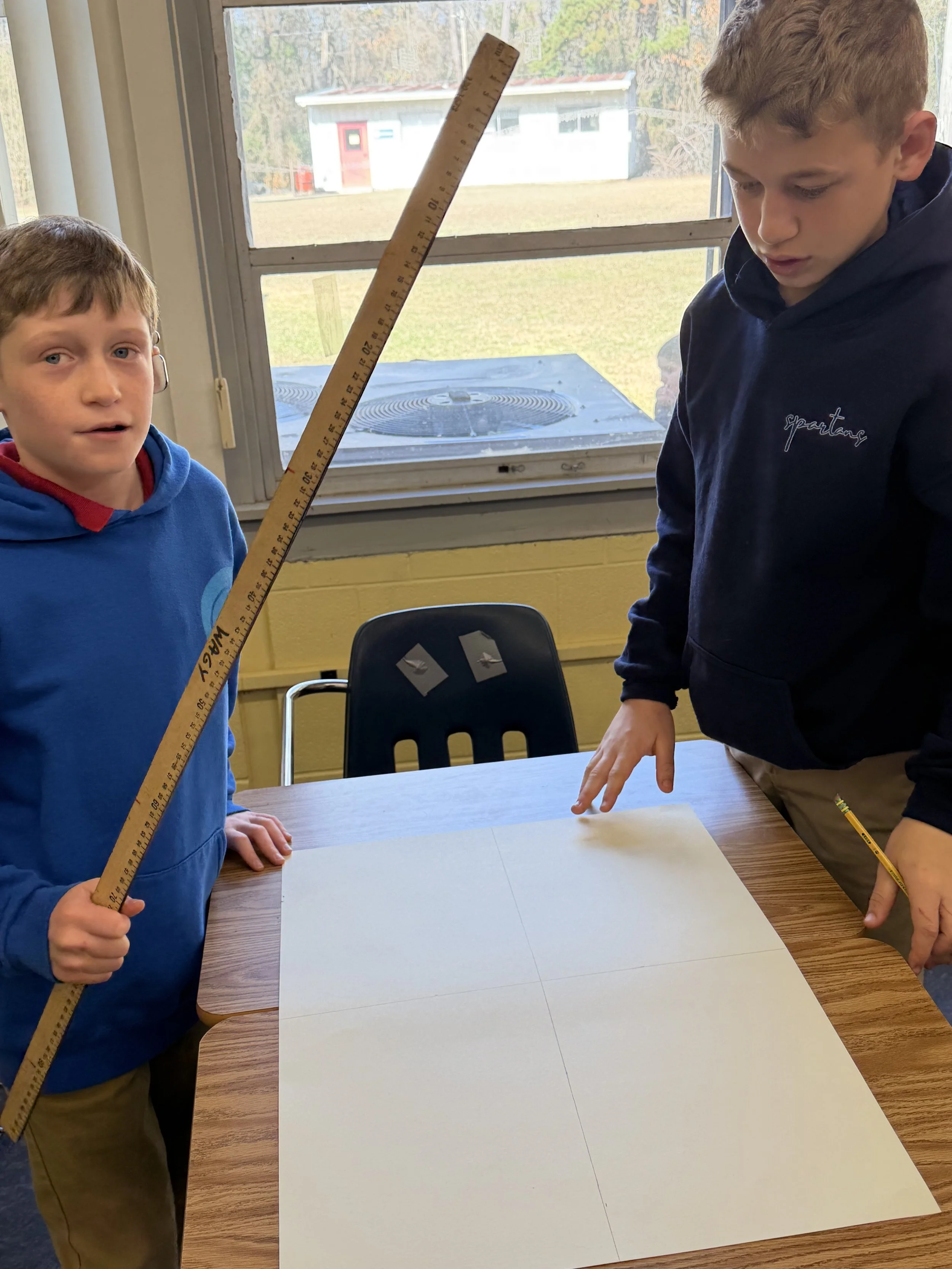
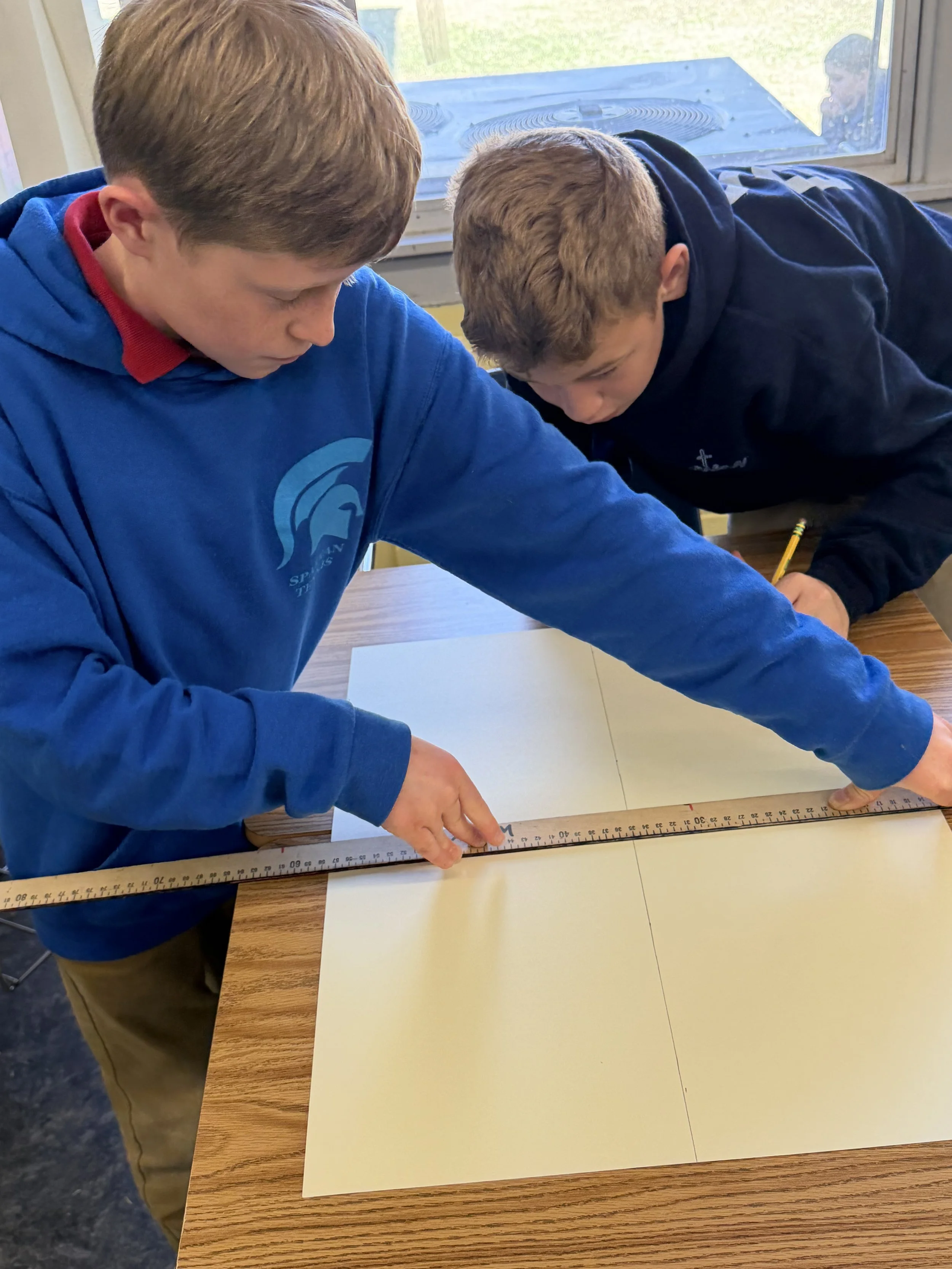
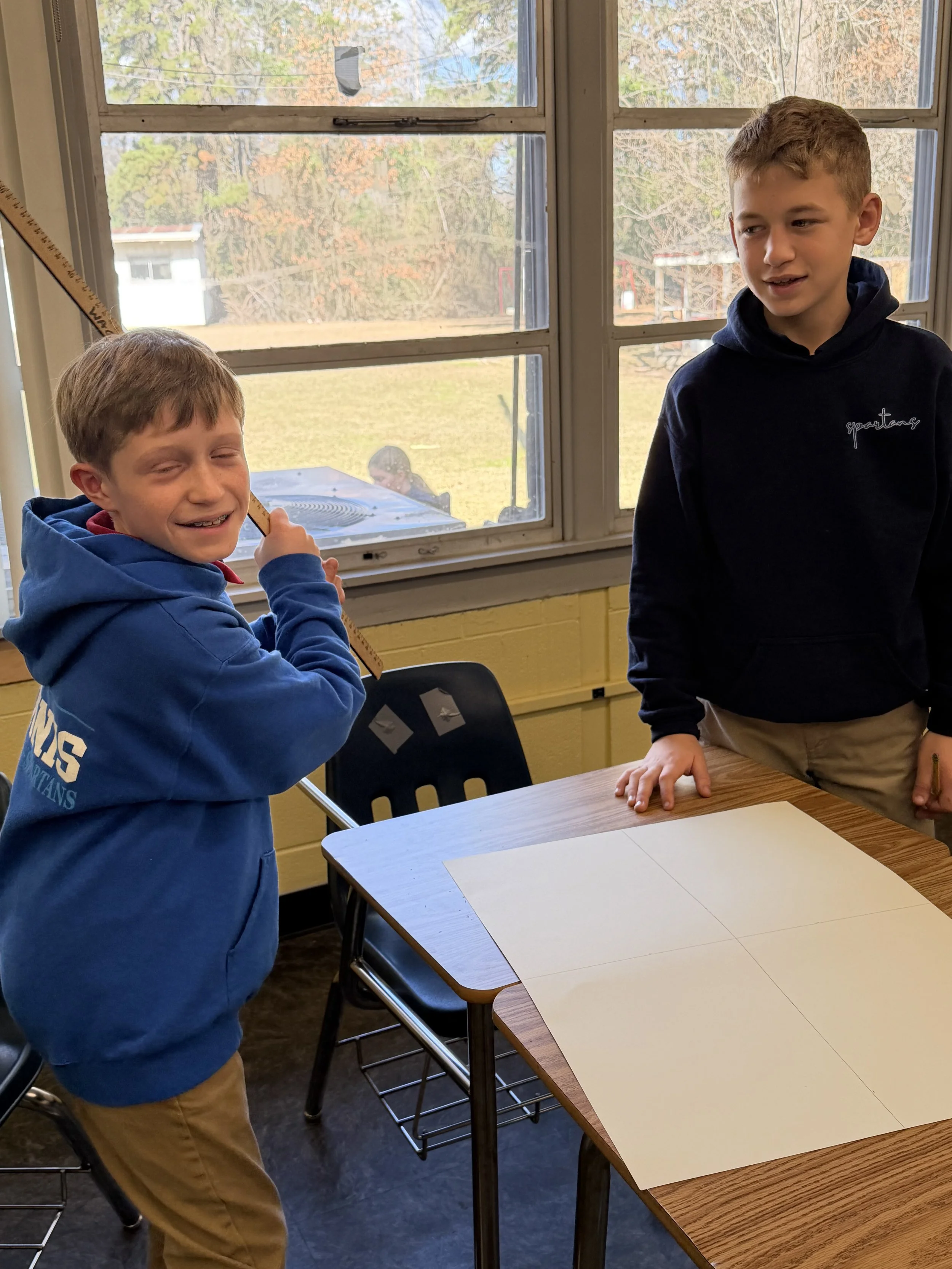
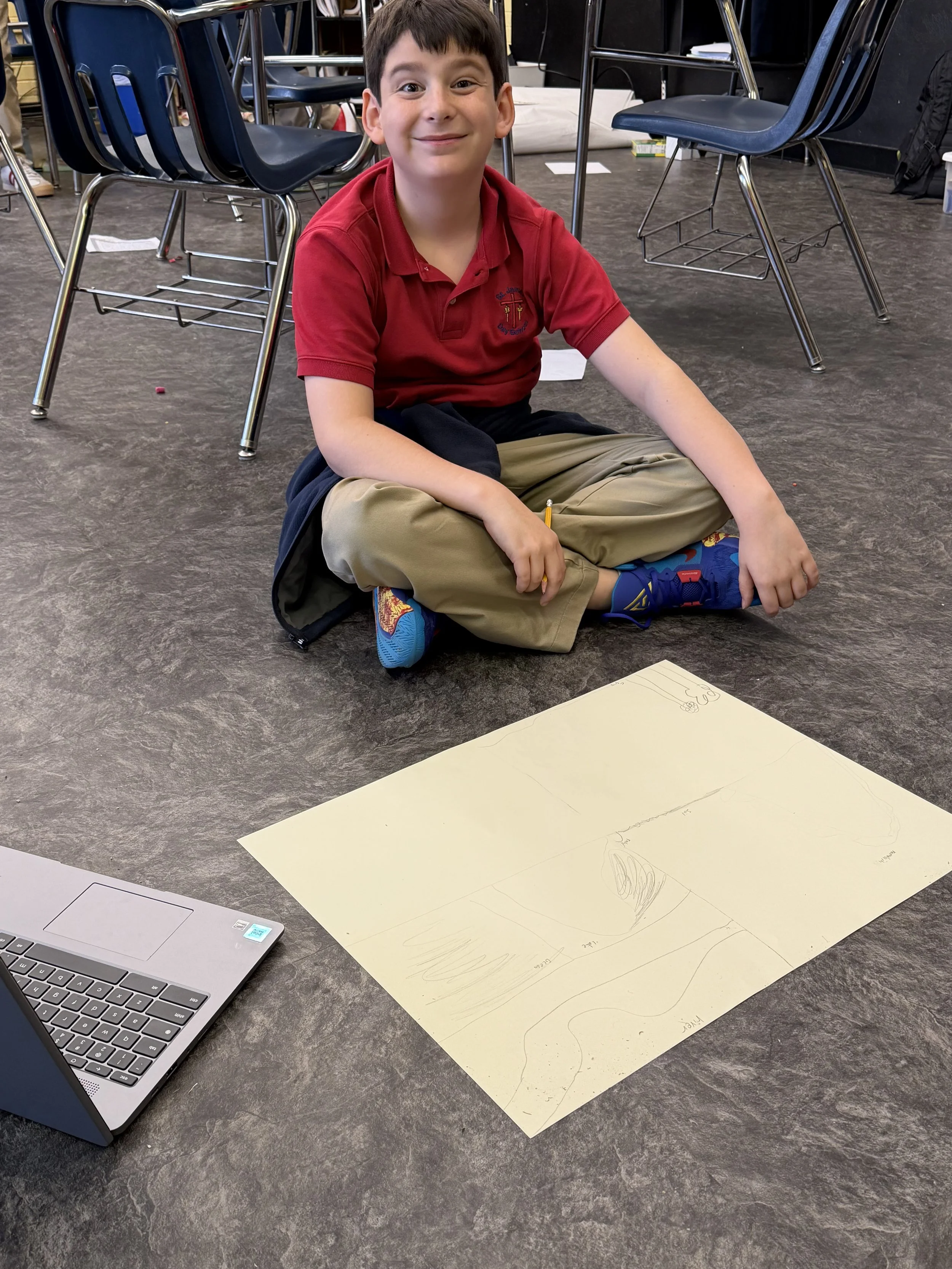
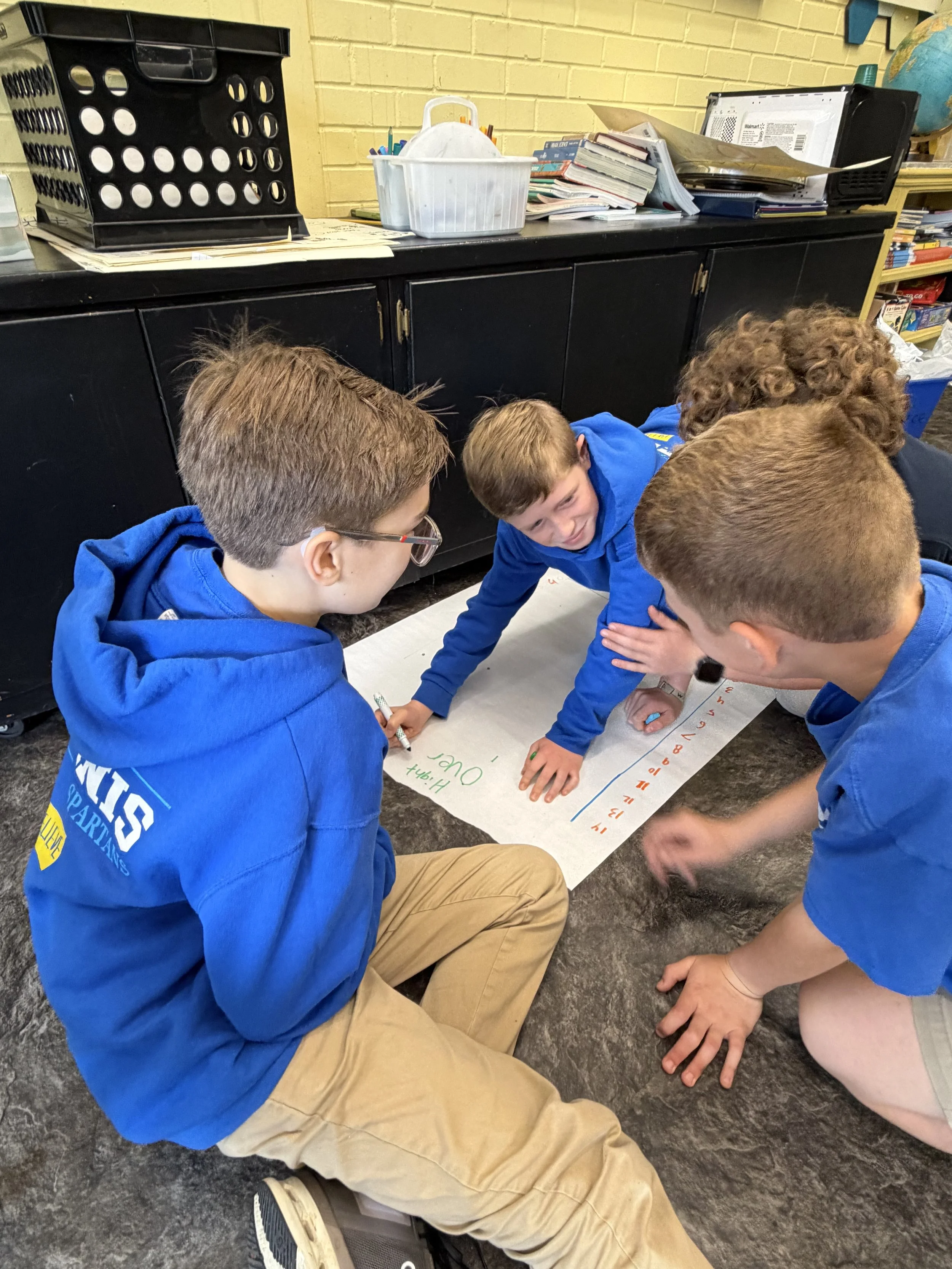
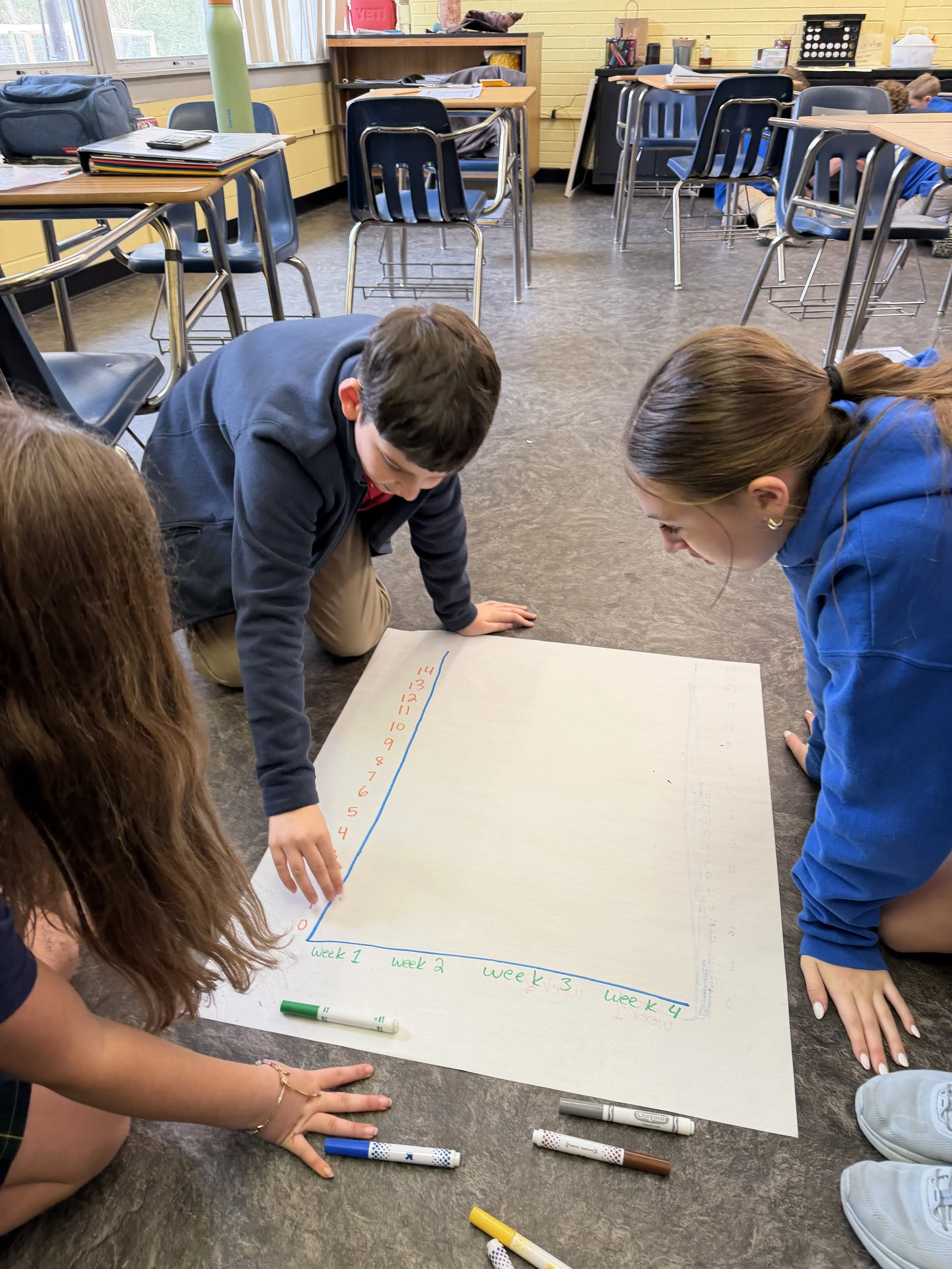
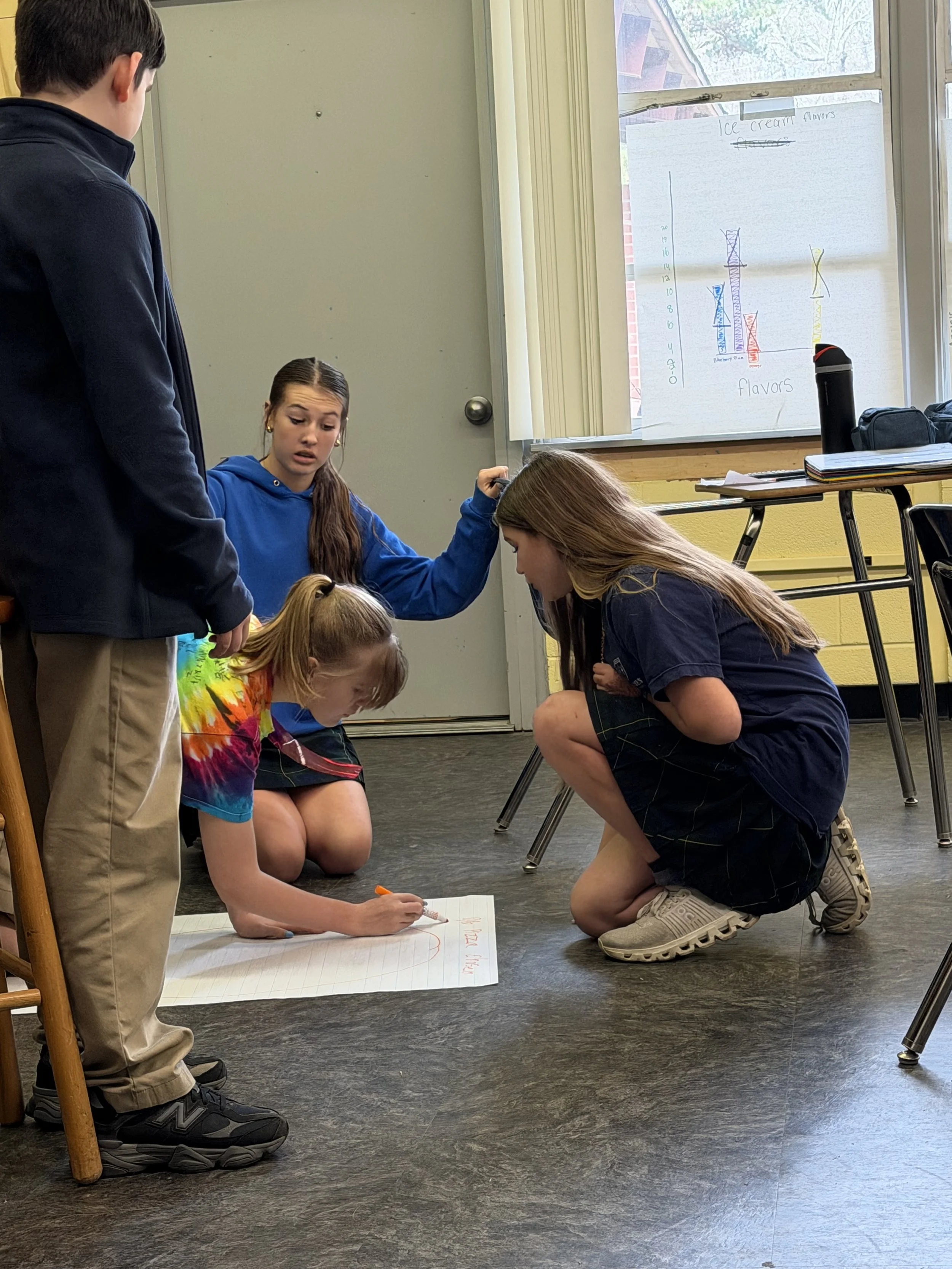
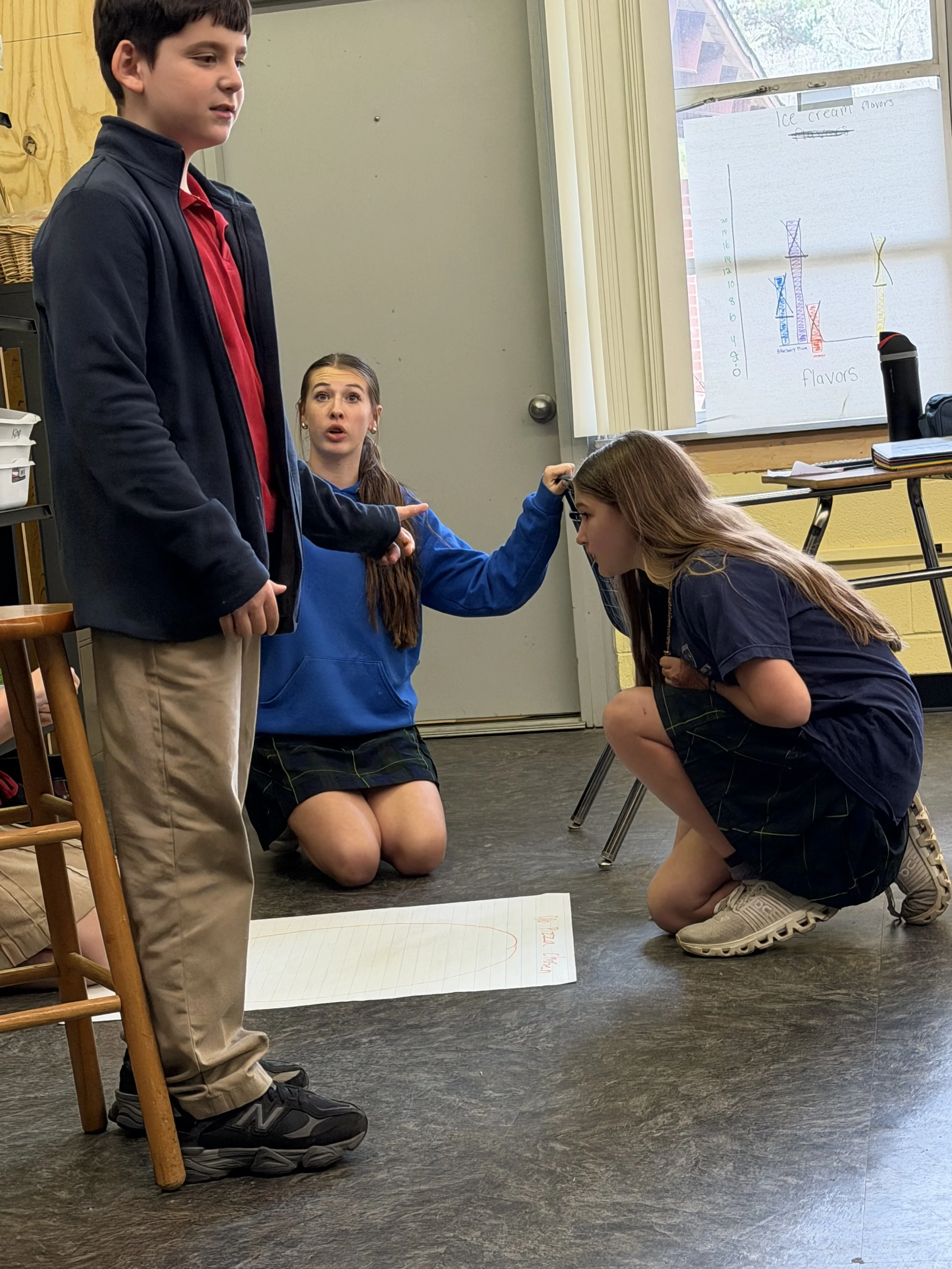
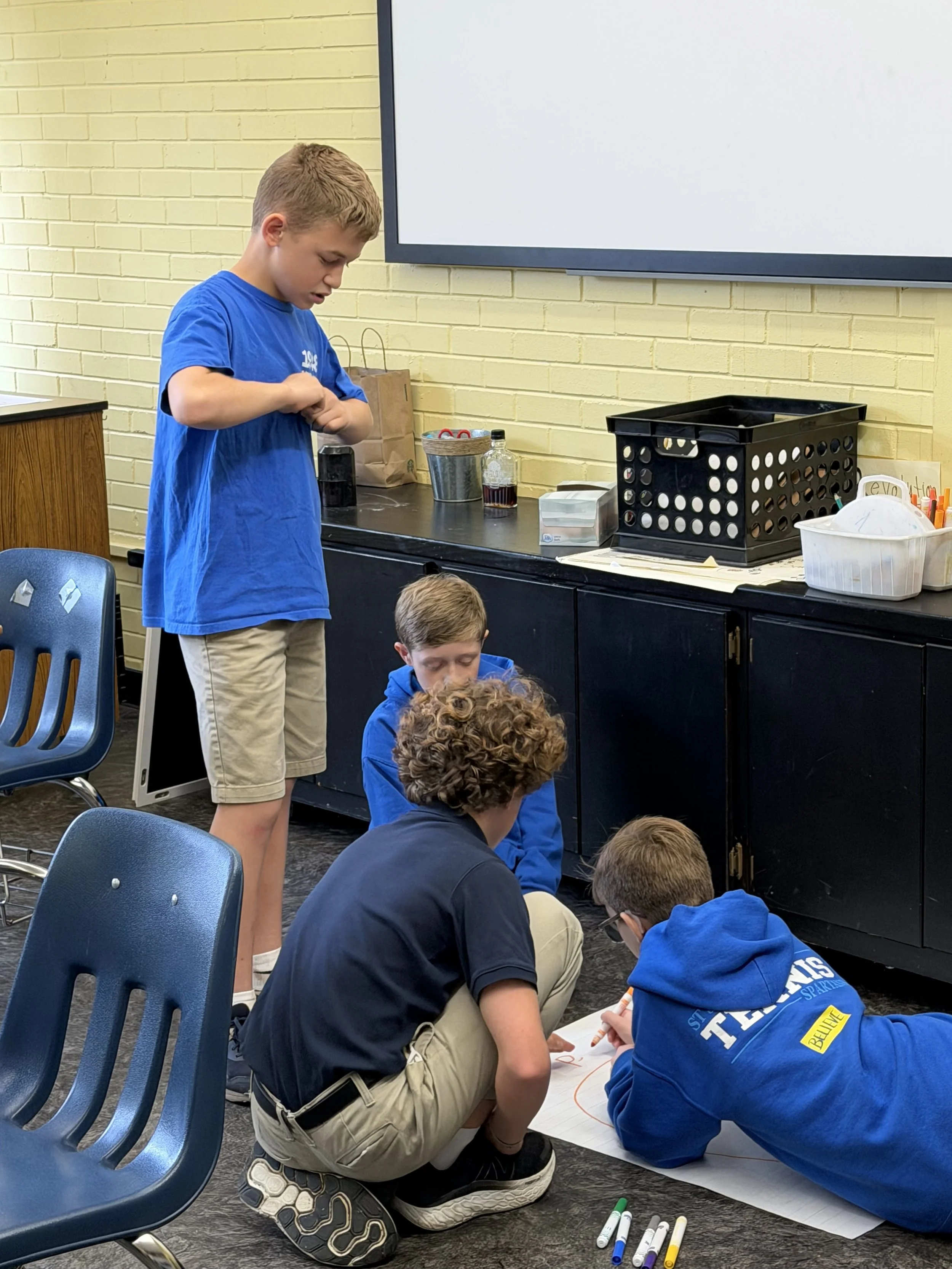
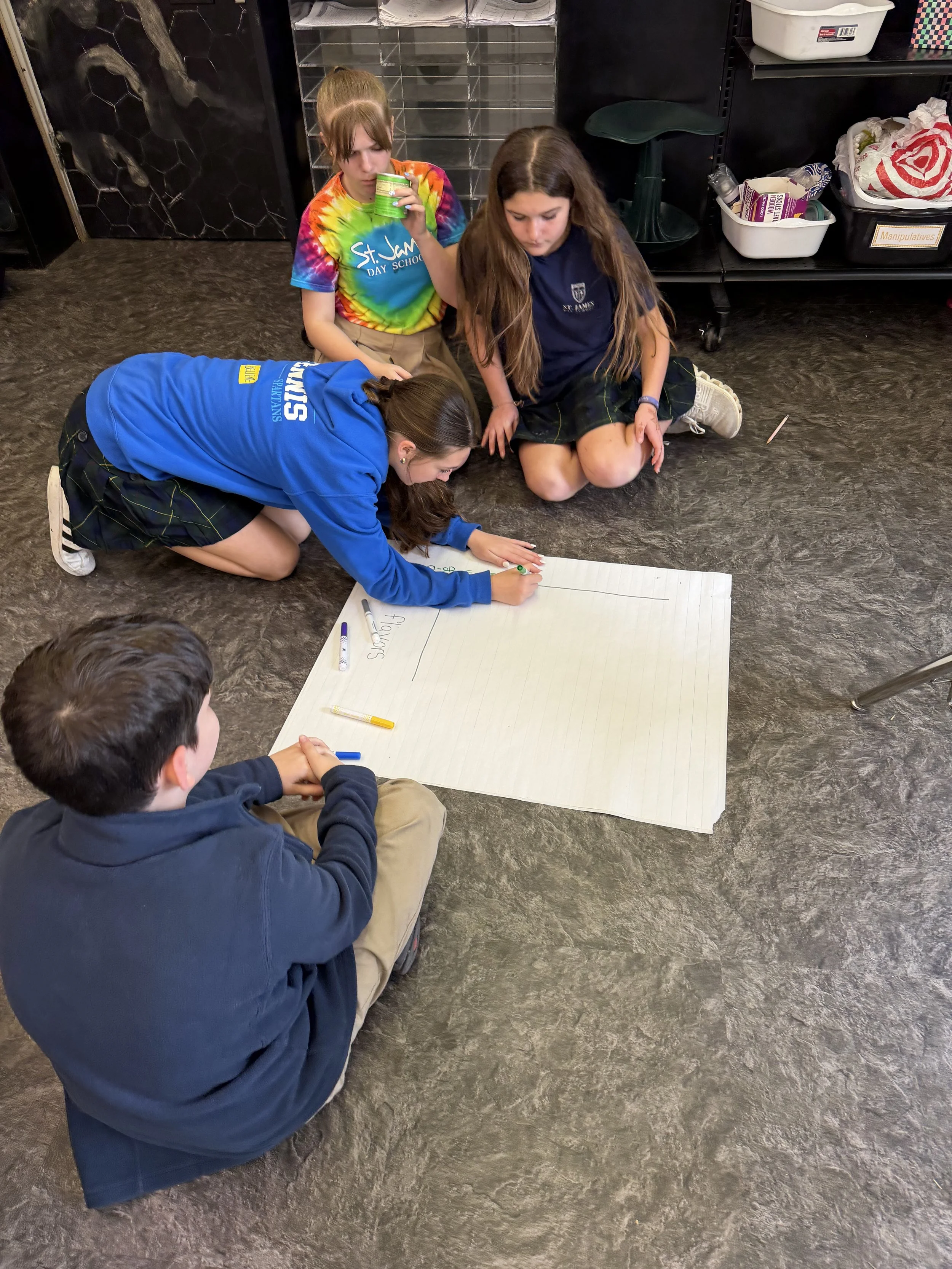
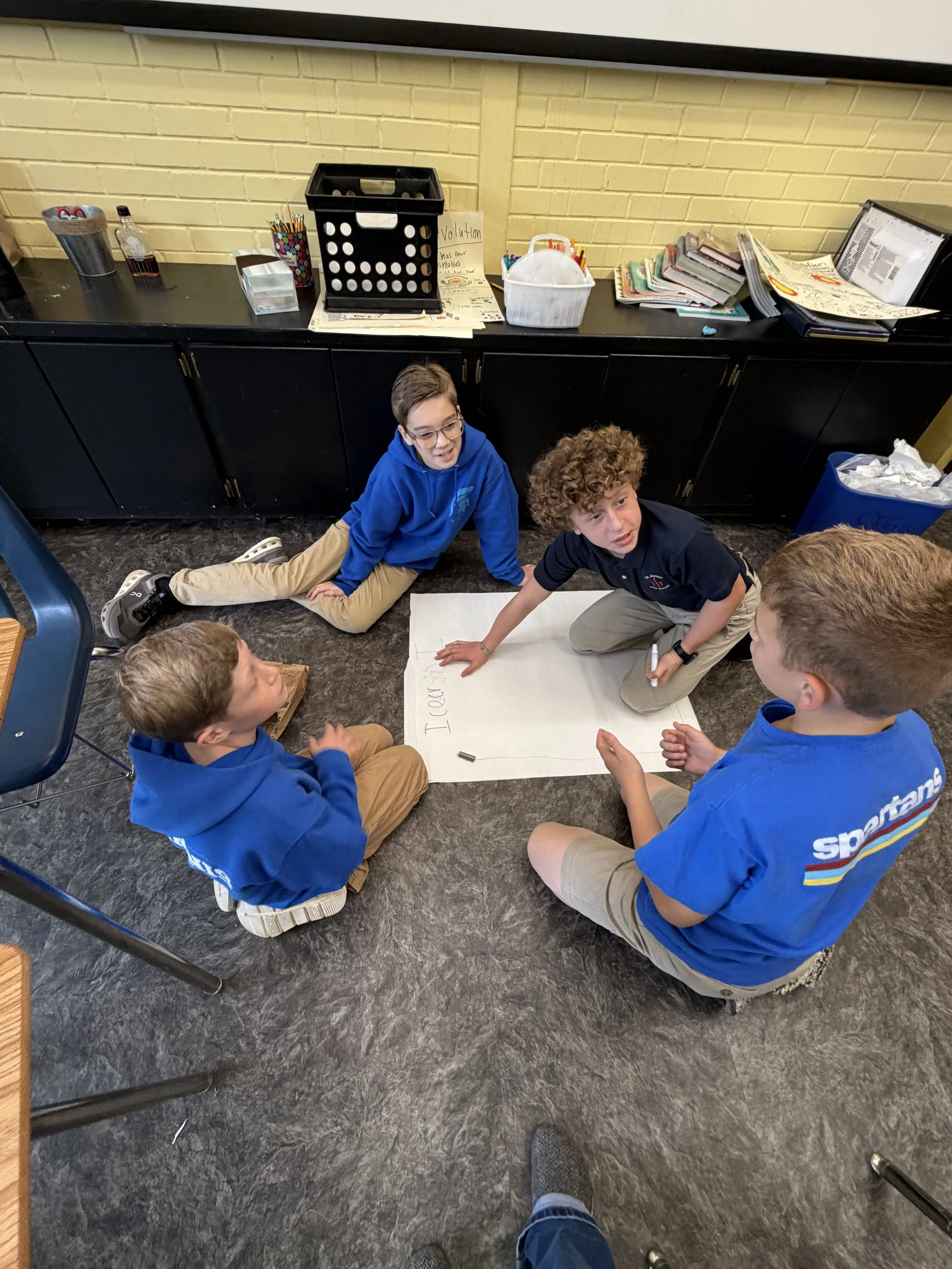
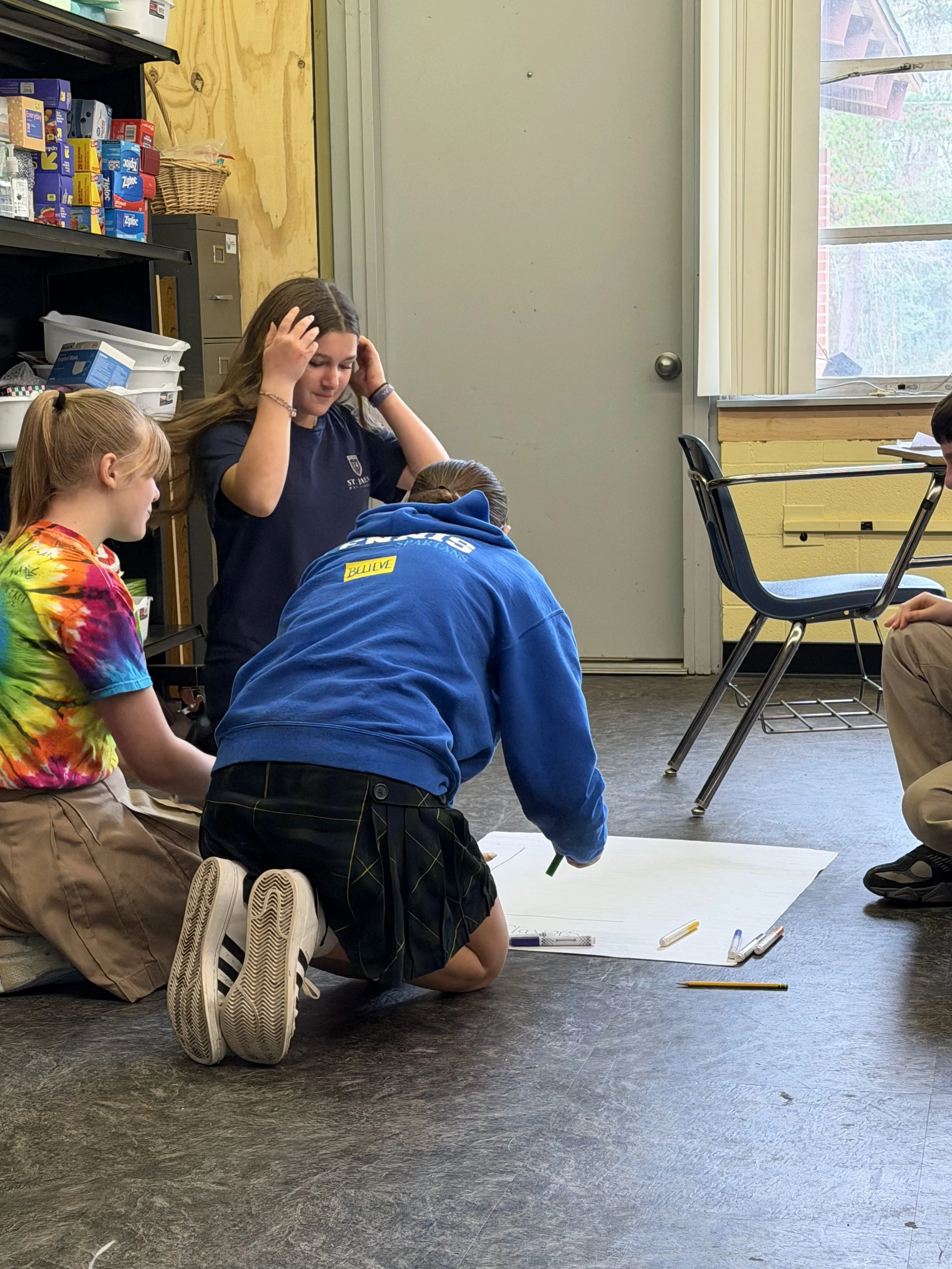
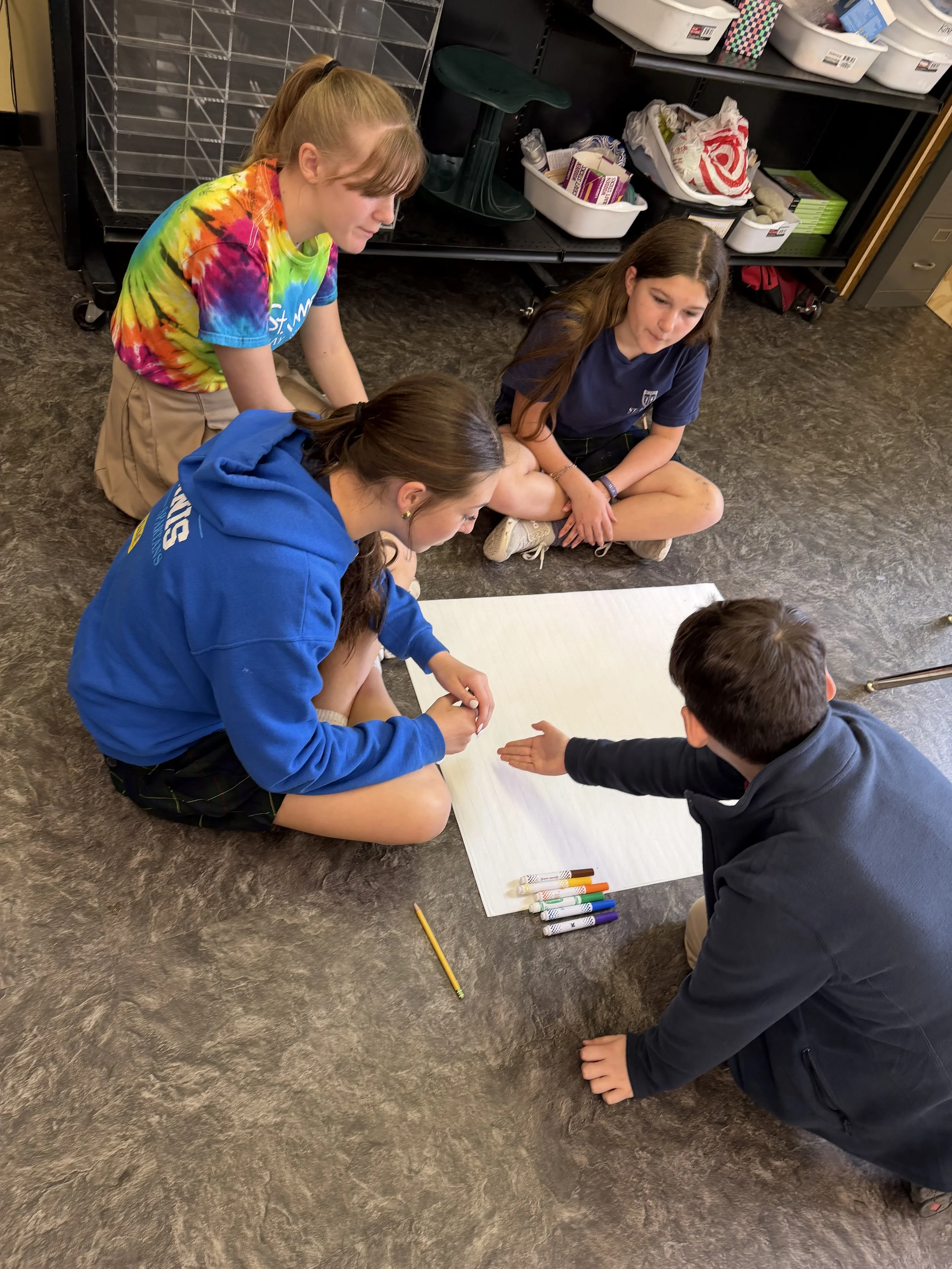
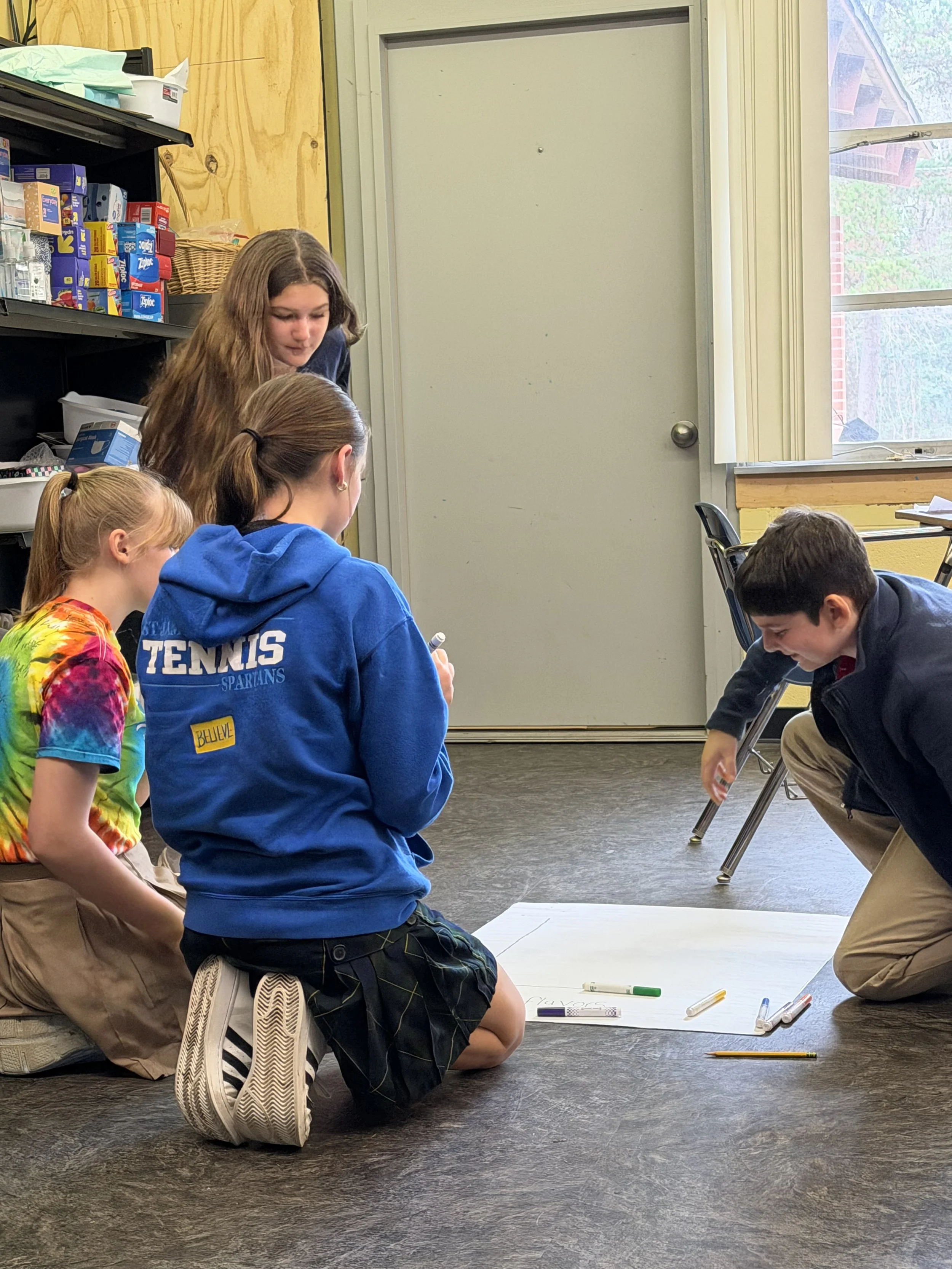
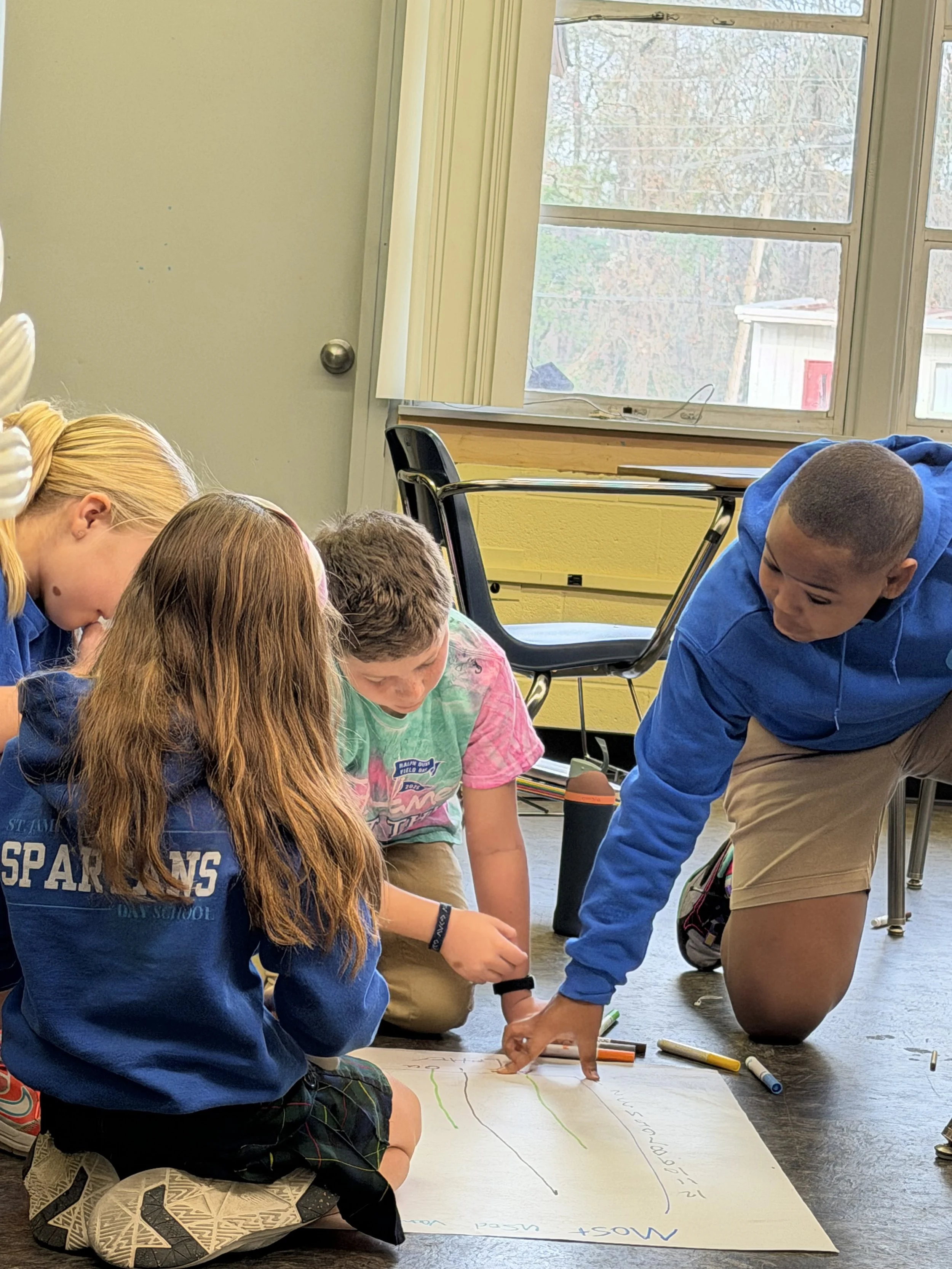
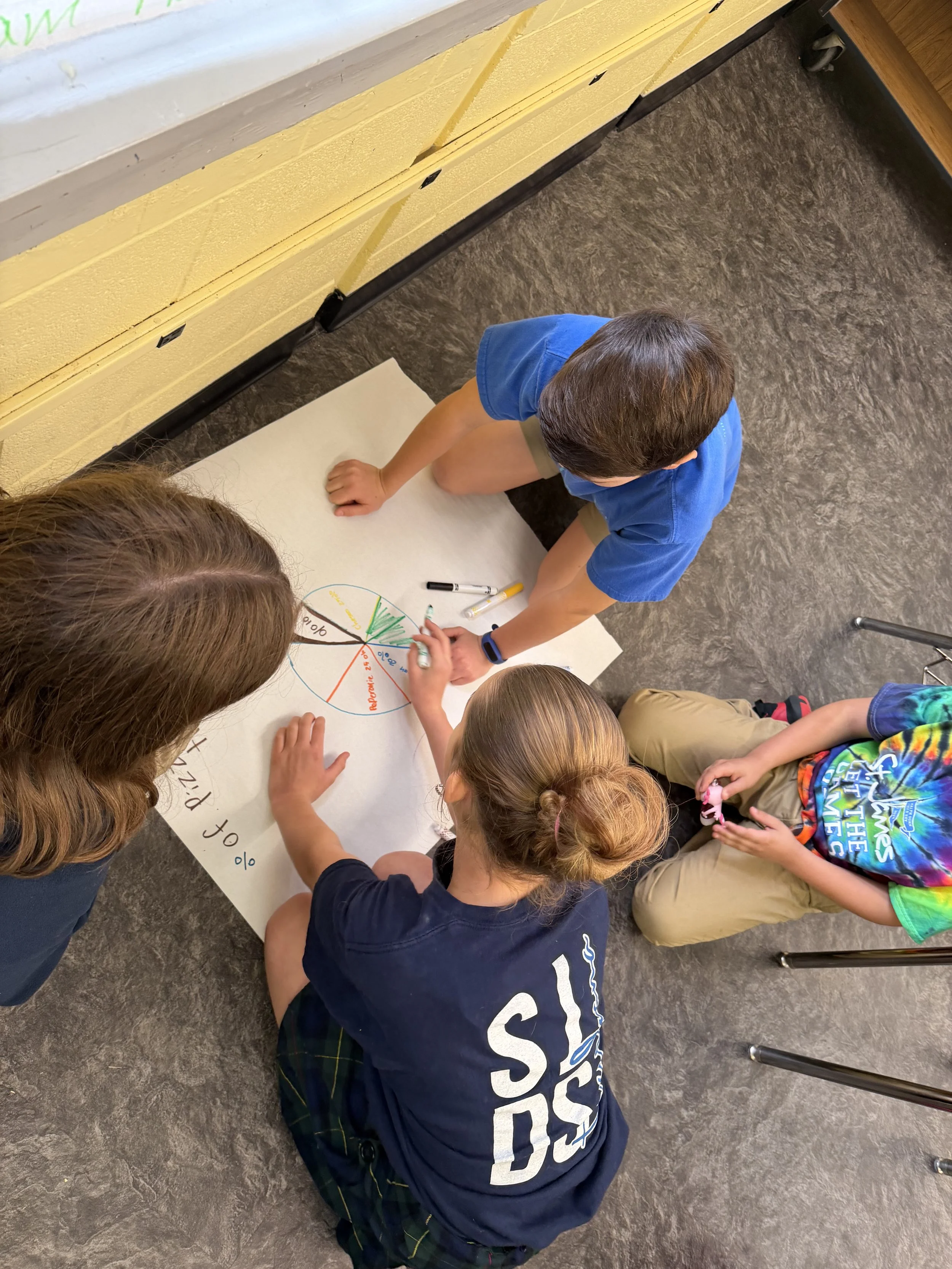
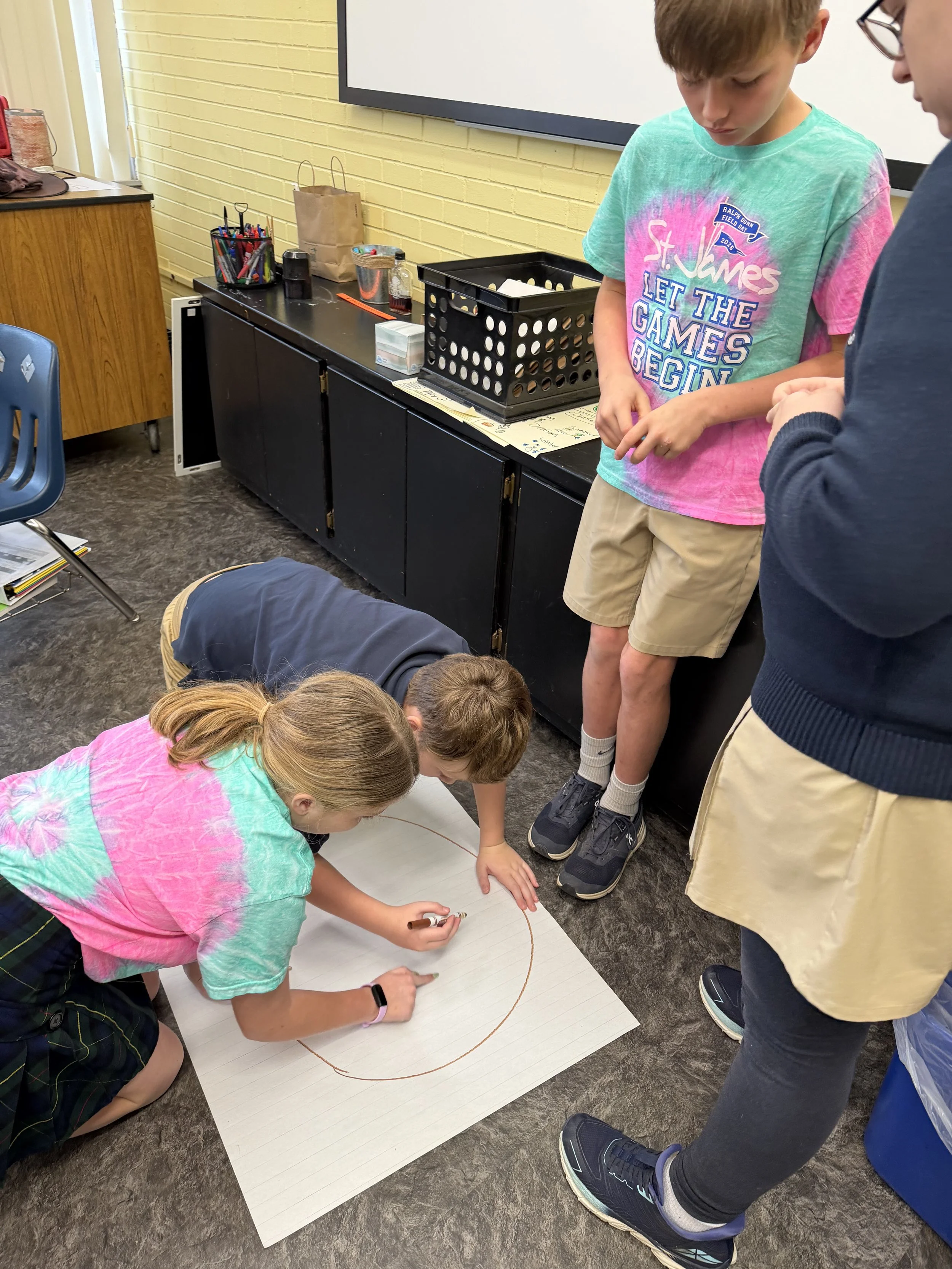
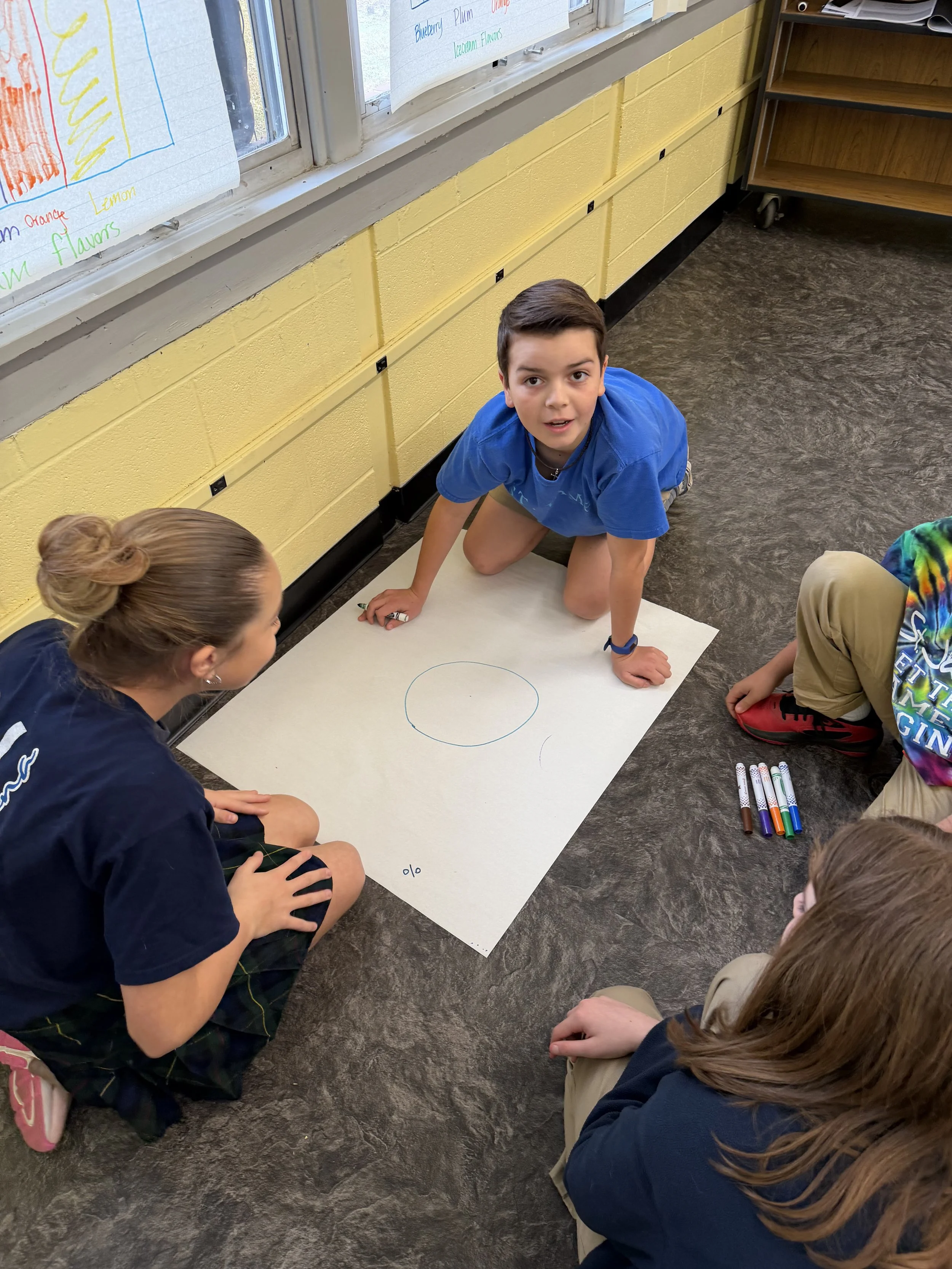
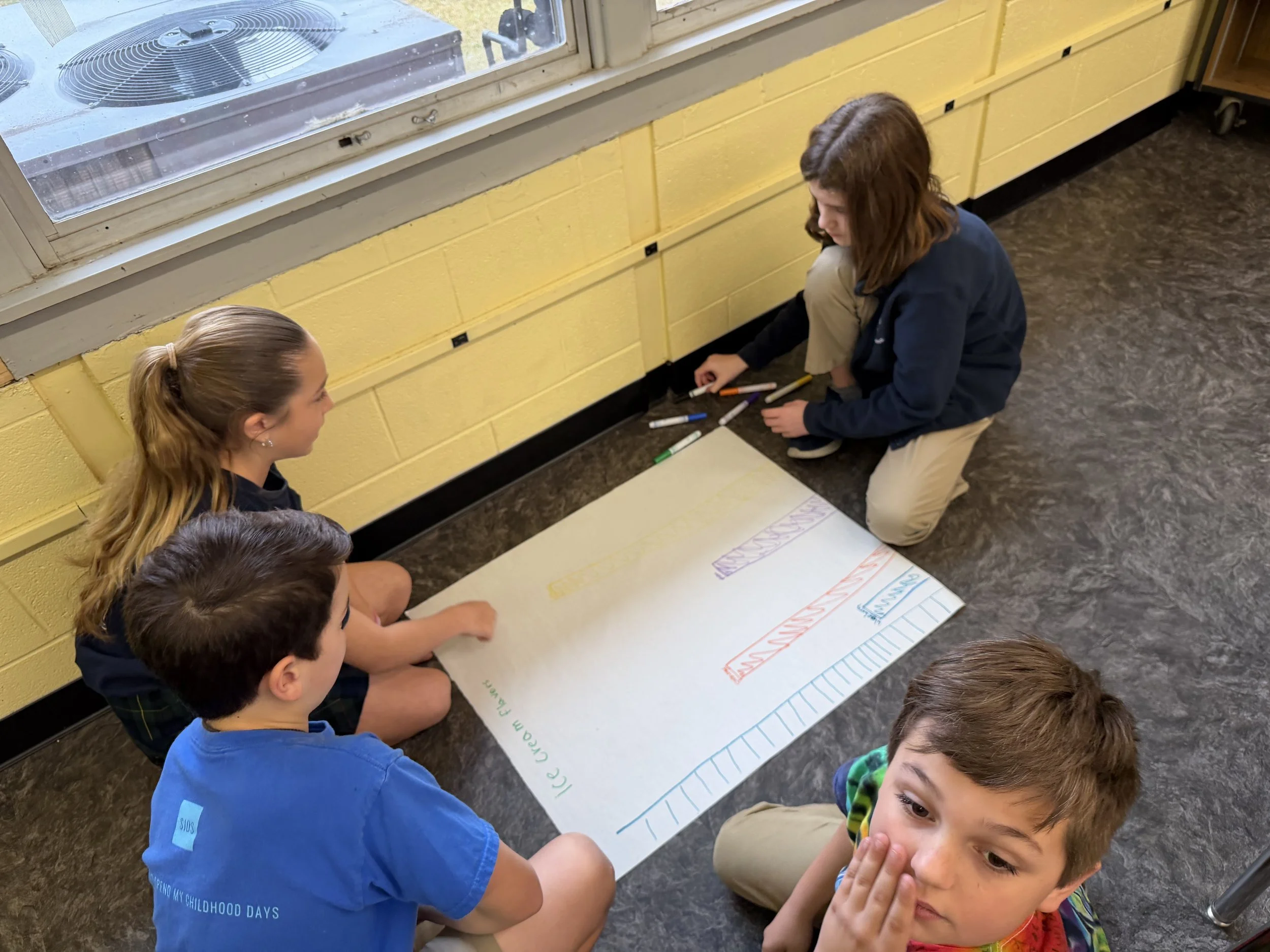
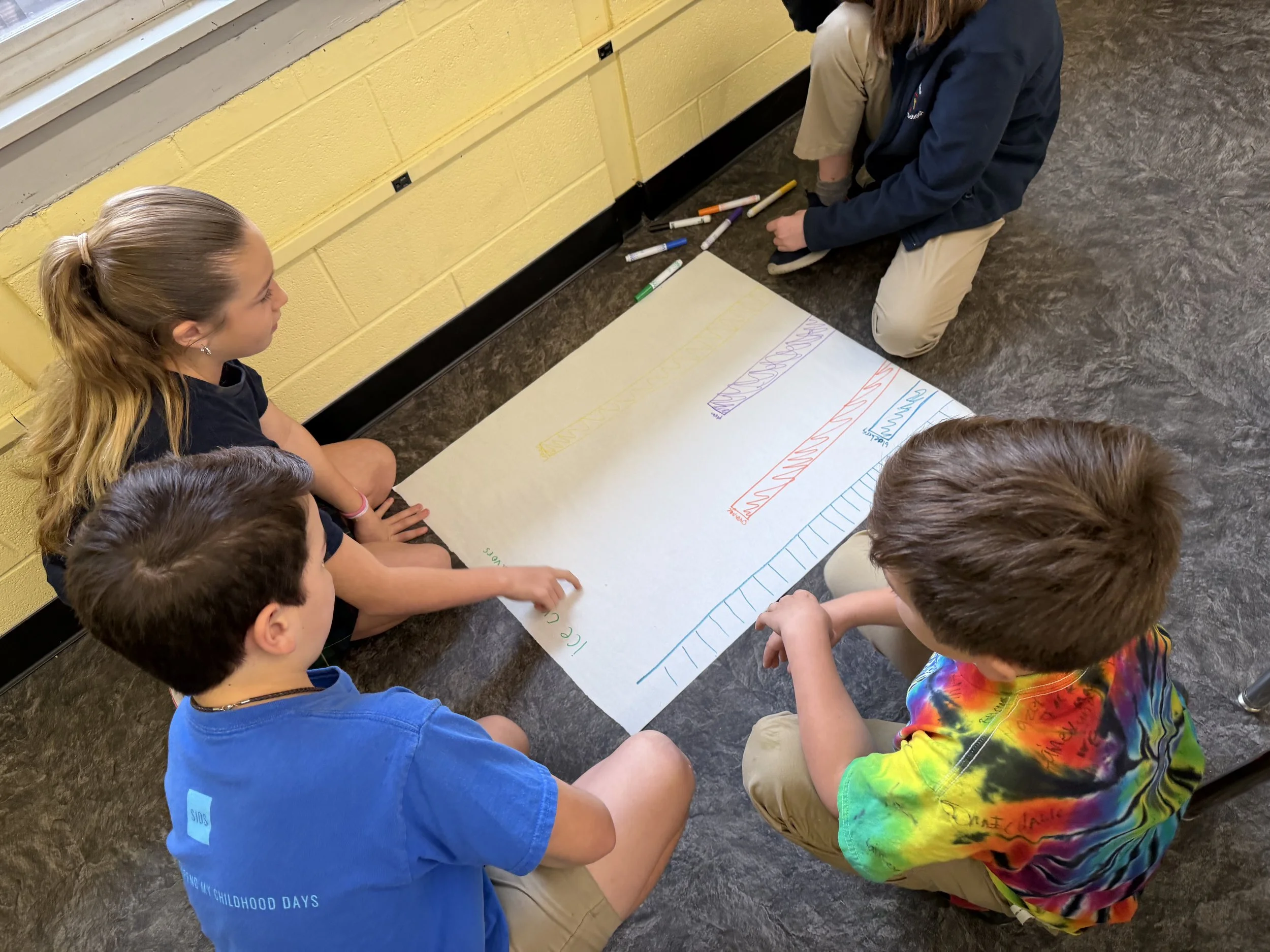
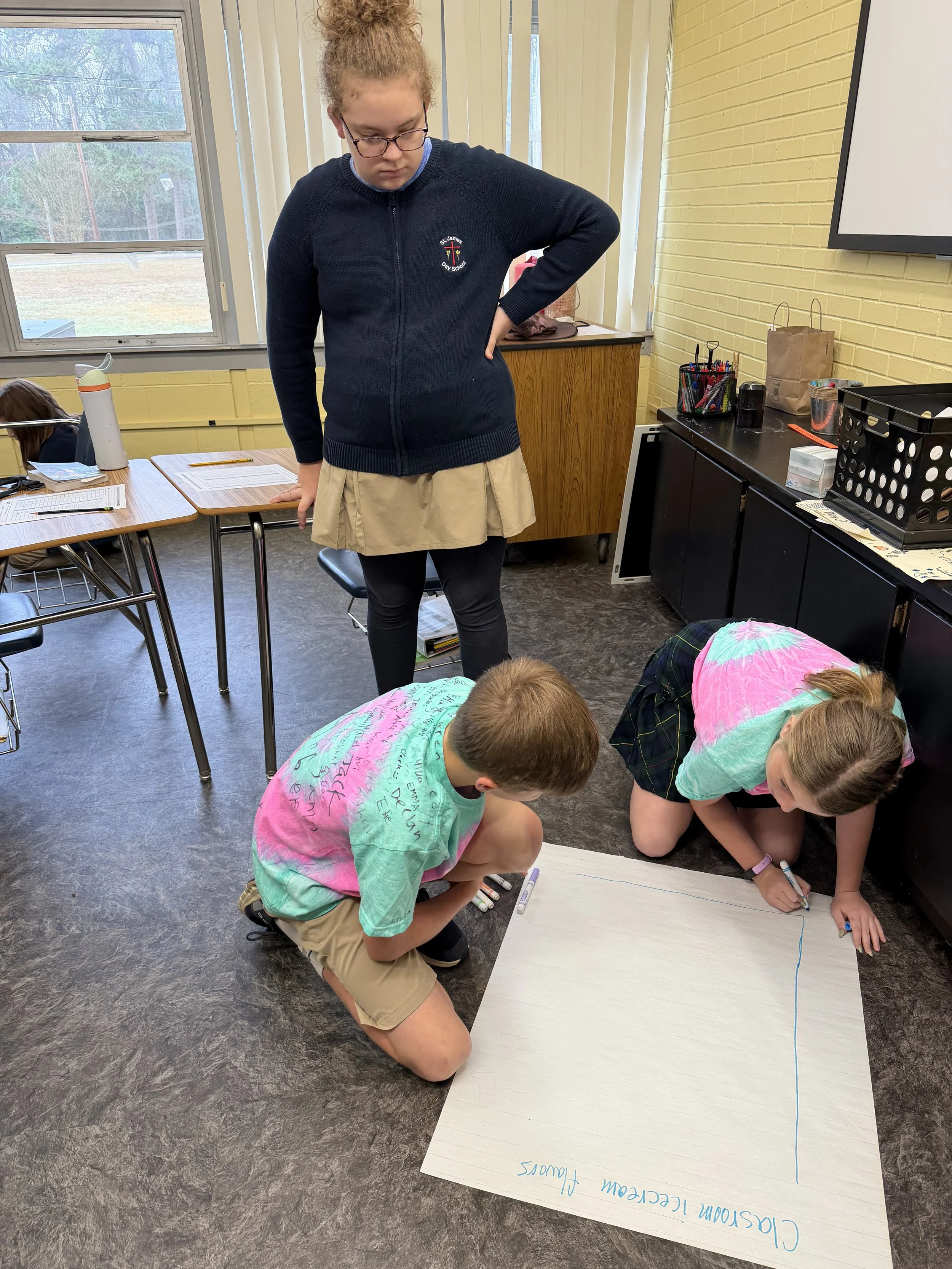
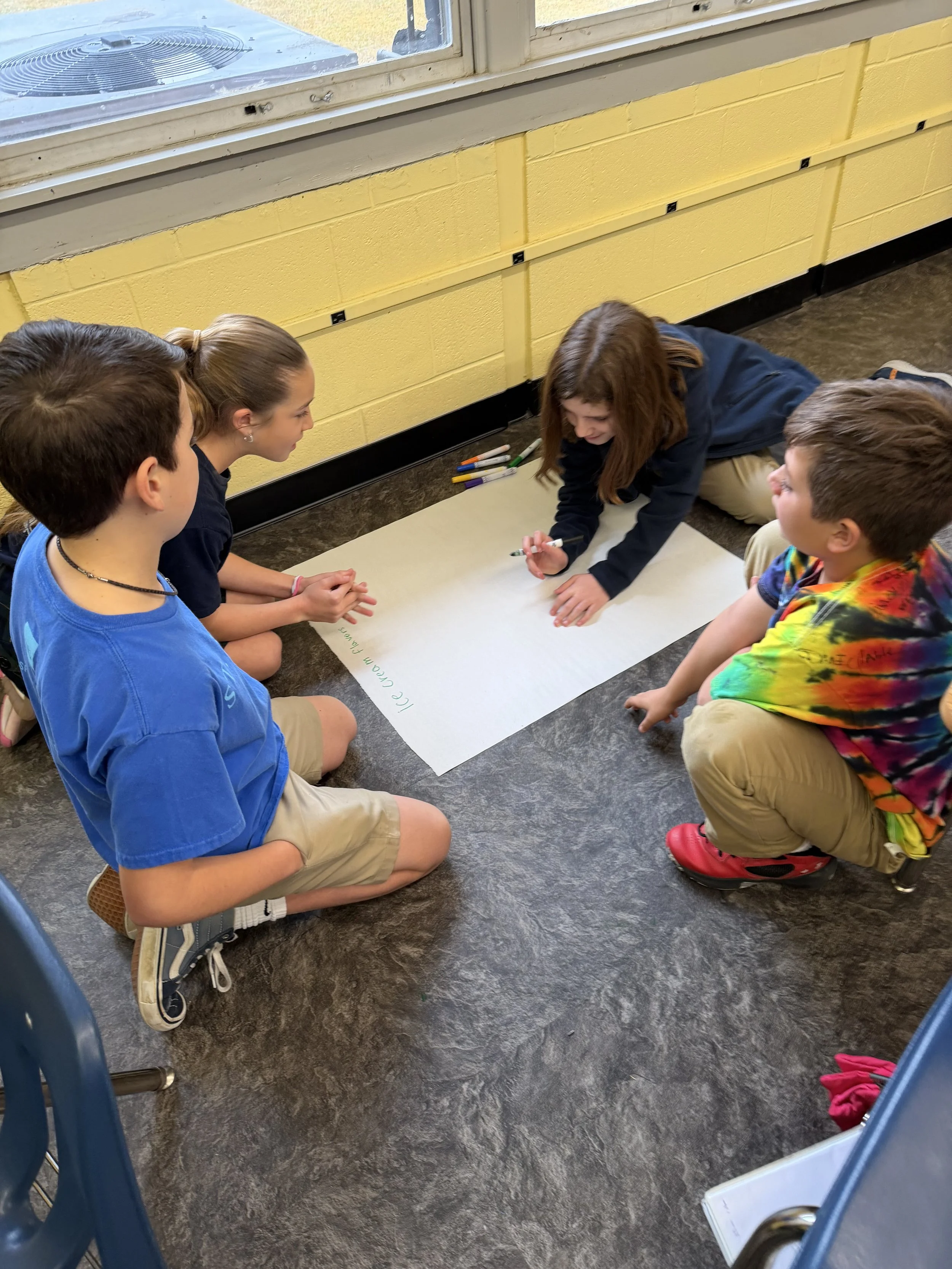
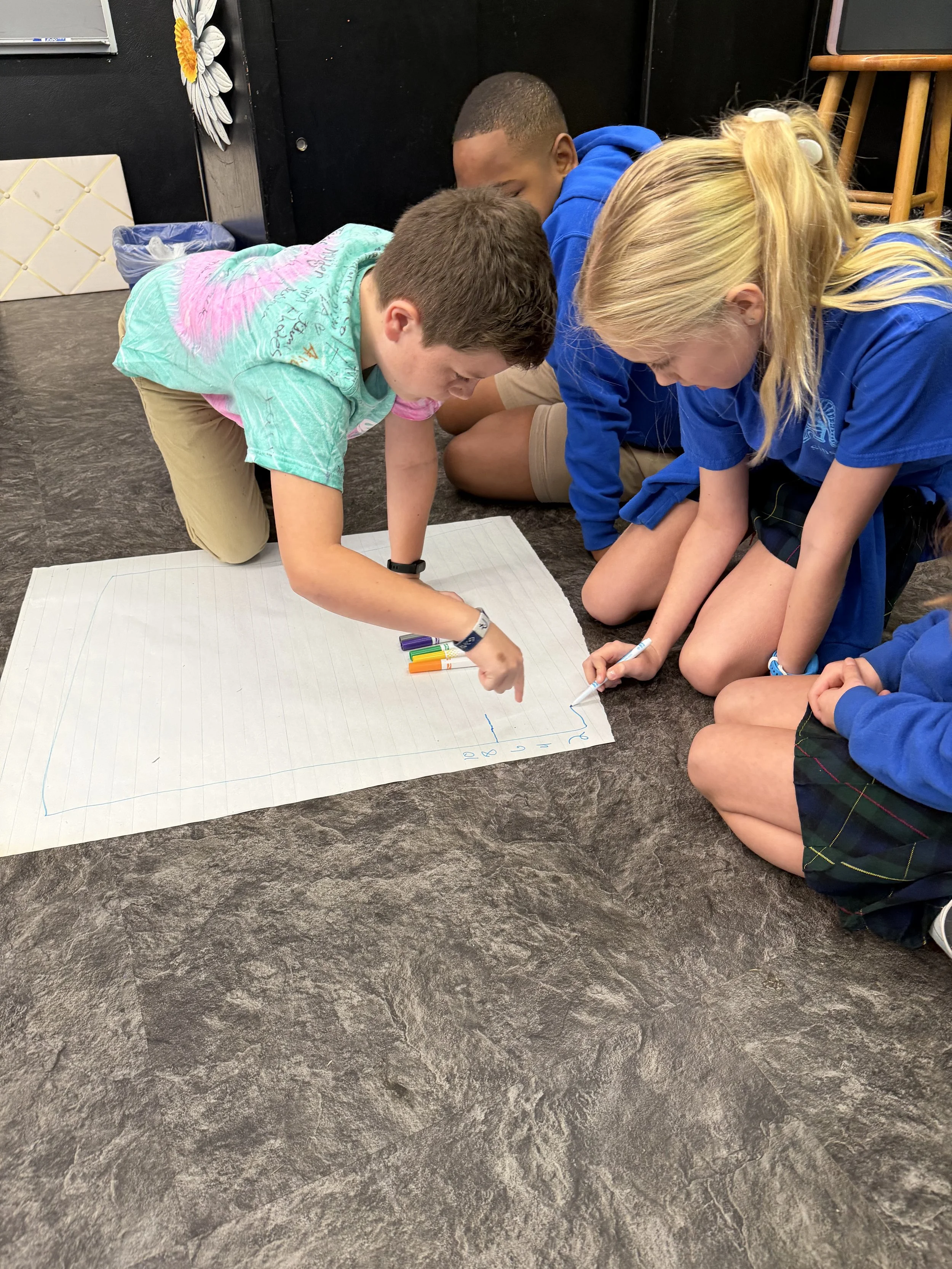
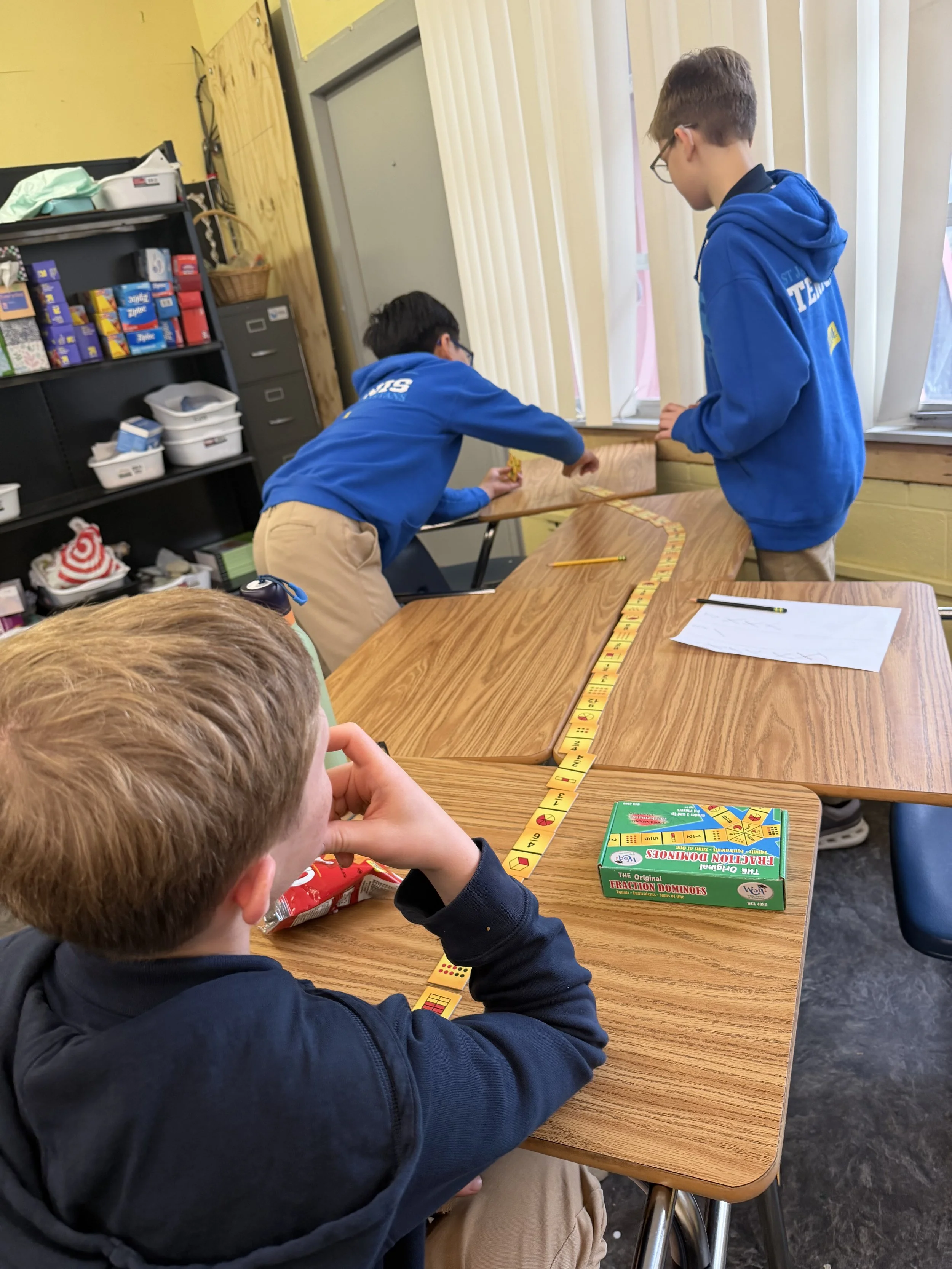
In 5th and 6th grade, learning is about much more than finding the right answer. These students are developing critical problem-solving skills that will support them for years to come. One of the most powerful ways they do this is by creating models—visual, physical, and mathematical representations that help them make sense of complex ideas.
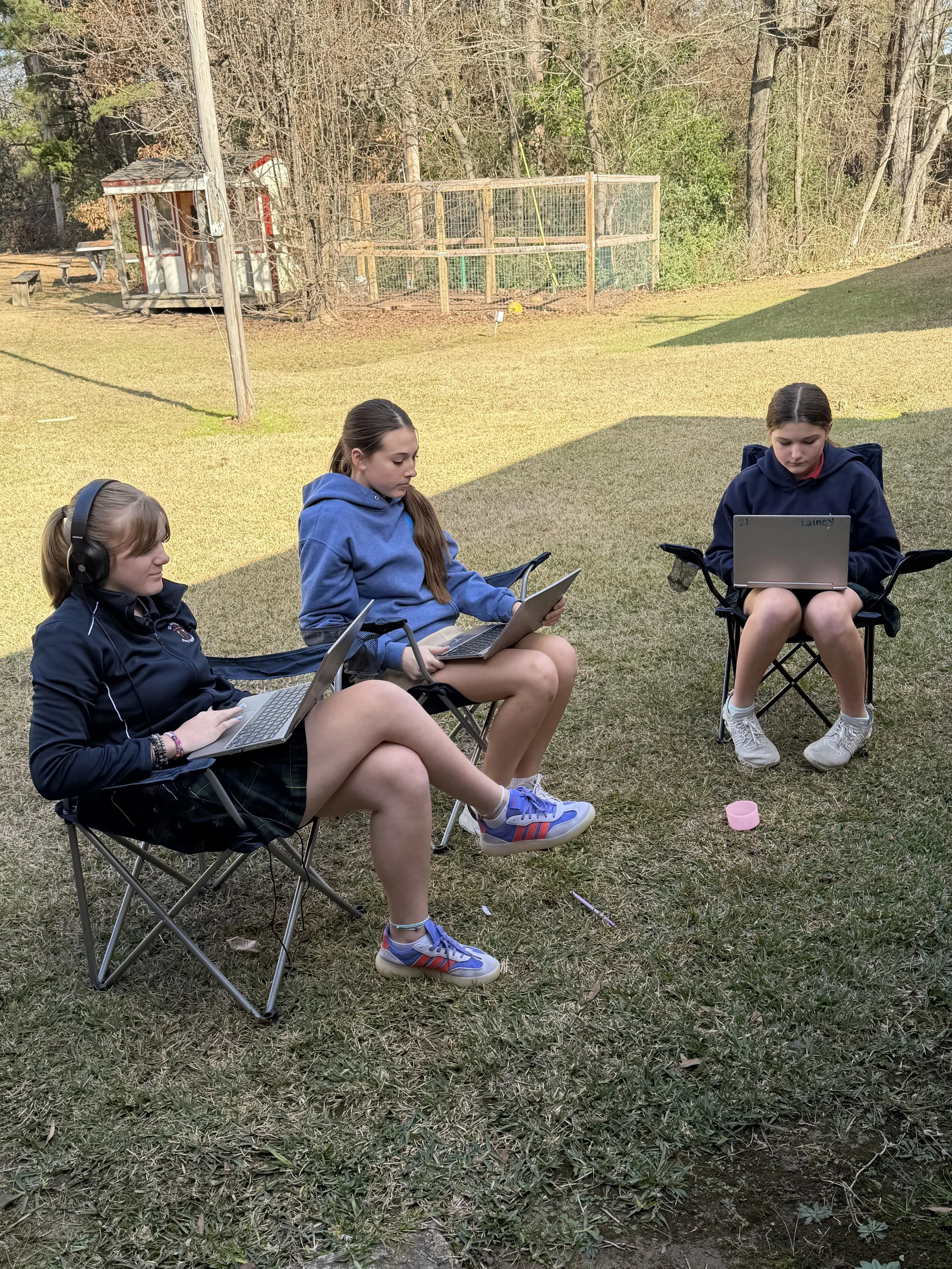
At this age, students are learning how to slow down and think through a problem. Instead of jumping straight to a solution, they are encouraged to ask questions: What do I know? What am I trying to find? What strategy might work best? This shift in thinking helps students become more confident and independent learners.
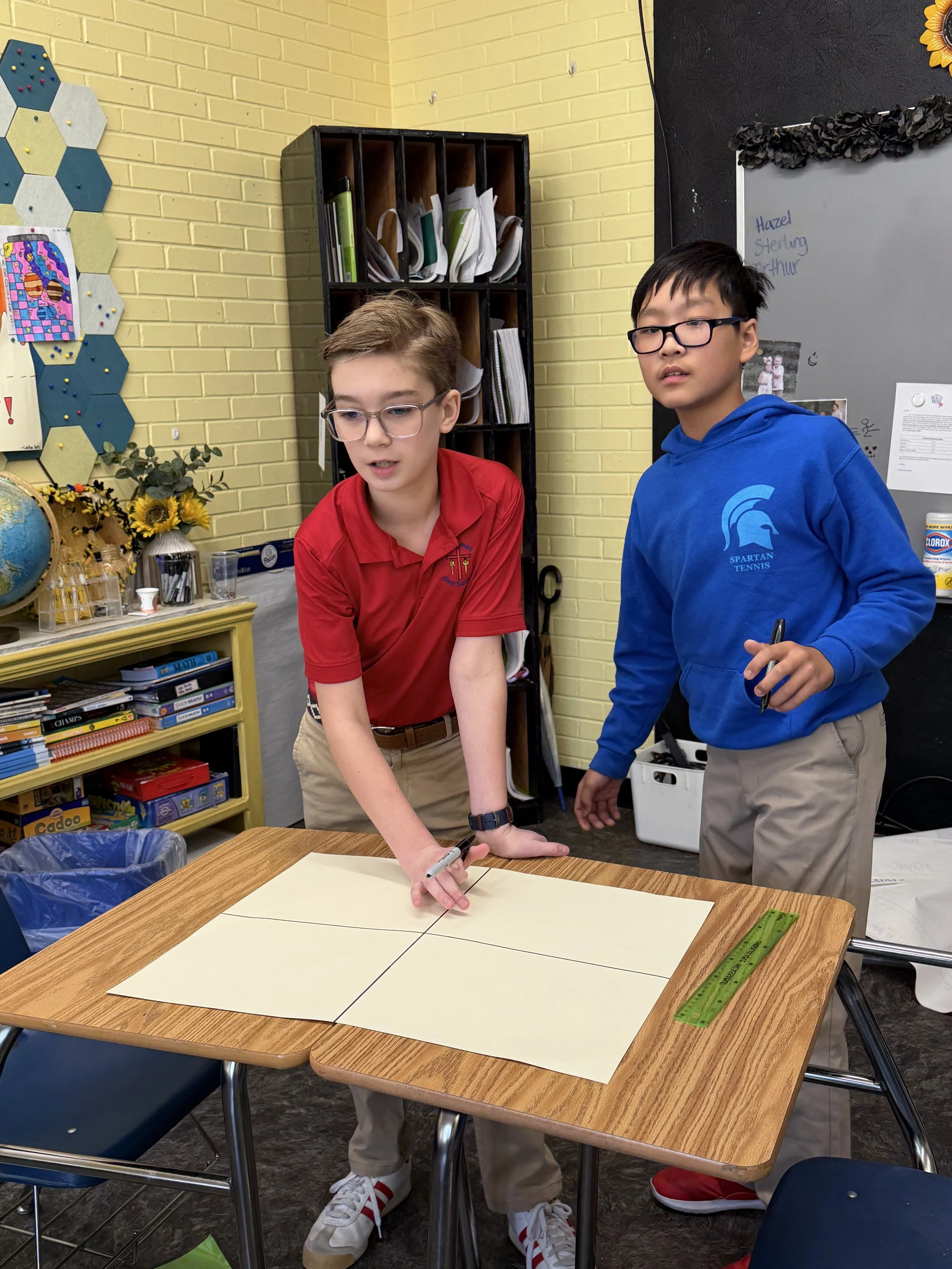
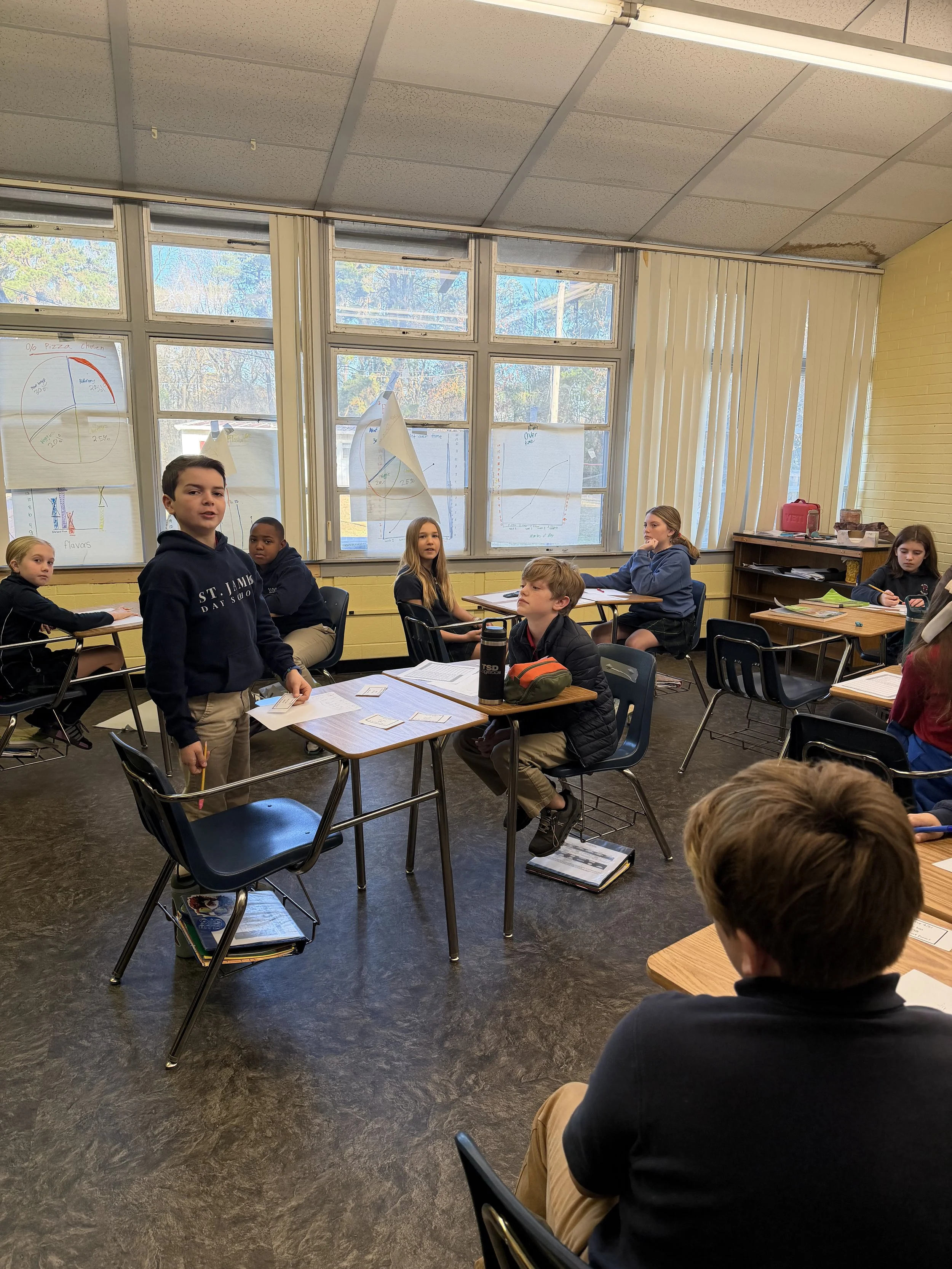
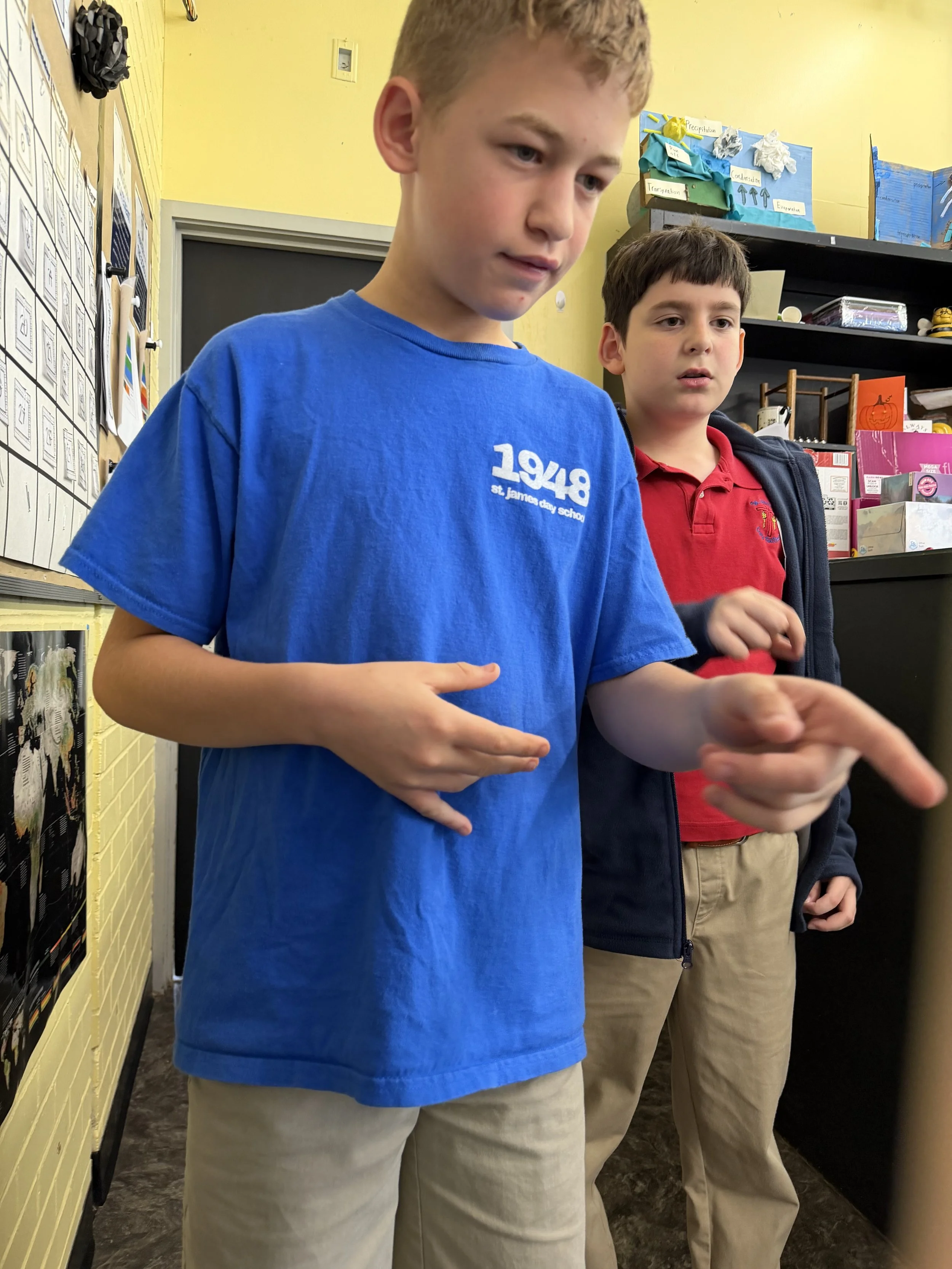
Problem-solving also becomes more meaningful when students explain their thinking. In 5th and 6th grade classrooms, it’s common to hear students say things like, “I solved it this way because…” or “My model shows that….” Sharing strategies helps students see that there is often more than one way to solve a problem. It also builds communication skills and encourages collaboration.
Mistakes are an important part of the learning process, too. When a model doesn’t work the first time, students learn to revise their thinking. They might adjust their diagram, try a different strategy, or ask a peer for feedback. This persistence teaches students that challenges are opportunities to learn, not reasons to give up. By the end of 6th grade, students who regularly use problem-solving strategies and models are better prepared for more advanced math and real-world challenges. They understand that learning is a process, that visuals can clarify thinking, and that explaining ideas is just as important as finding answers.
In short, when 5th and 6th graders use problem-solving skills and create models, they aren’t just learning math or science—they’re learning how to think.